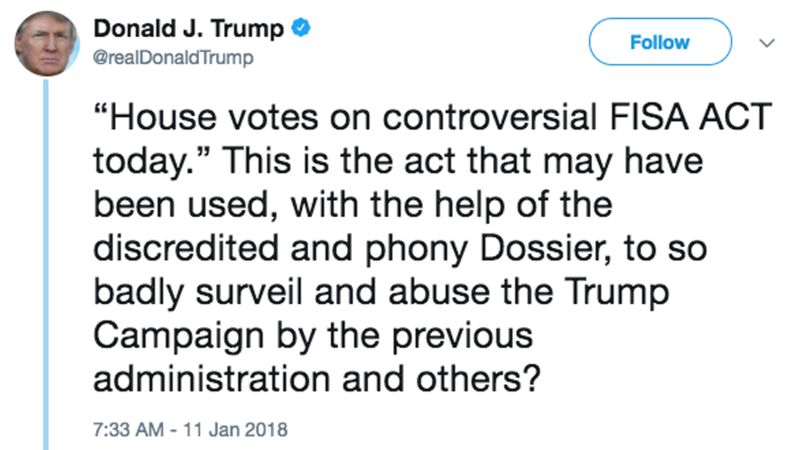
The United States Senate is currently facing a critical legislative deadline as lawmakers race to reauthorize the Foreign Intelligence Surveillance Act (FISA) before its looming expiration. With only five days remaining on the calendar, the legislative process has encountered significant friction, complicated by internal party disputes and concerns over executive branch appointments.
The Foreign Intelligence Surveillance Act, particularly its Section 702 provisions, serves as a cornerstone of American national security intelligence collection. According to the U.S. Senate, this authority allows the government to target non-U.S. persons located abroad for intelligence purposes, though the program has faced intense debate regarding its impact on the privacy rights of U.S. citizens whose communications may be incidentally collected. The current legislative push centers on ensuring these powers remain in effect to prevent what intelligence officials describe as critical gaps in foreign surveillance capabilities.
The Legislative Impasse and Intelligence Oversight
The urgency of the current situation is underscored by the narrow window for floor action. As of June 9, 2026, the Senate is operating under a compressed schedule, with floor proceedings continuing as officials attempt to navigate the complex procedural hurdles required to advance the reauthorization. The legislative process for such surveillance authorities typically requires extensive bipartisan negotiation, given the competing interests of national security agencies and privacy advocates in both the Republican and Democratic caucuses.

The Senate’s role in confirming presidential appointments also remains a focal point of the current tensions. Under the Constitution, the Senate holds the exclusive power to confirm U.S. presidential appointments, a mechanism that acts as a check and balance on the executive branch, as noted by the U.S. Senate official records. Recent friction regarding specific executive branch picks has spilled over into the broader legislative agenda, creating a situation where the confirmation process is directly impacting the timeline for the FISA reauthorization.
Consequences of Potential Expiration
Should Congress fail to pass the reauthorization before the deadline, the legal authority for the surveillance program would lapse. Lawmakers and intelligence experts have warned that such a lapse could result in immediate, negative consequences for national security. According to public statements from various lawmakers, the cessation of these authorities would limit the ability of the intelligence community to track foreign threats in real-time, potentially creating vulnerabilities that adversaries could exploit.
The debate is further complicated by the diverse political composition of the 119th United States Congress. With a Republican majority in the Senate and a split between Republican and Democratic members, the path to a simple majority vote requires careful coalition building. The Senate’s current floor activity, as recorded in the Congressional Record, reflects the intensity of these ongoing negotiations, which remain subject to rapid change as the deadline approaches.
Next Steps for the Senate
The Senate is scheduled to continue its work on the floor, with committee hearings and procedural votes expected to dominate the coming days. Members are tasked with reconciling the need for robust foreign intelligence collection with the mandate to uphold constitutional protections for privacy. The outcome of these discussions will determine whether the surveillance program continues in its current form or faces significant structural changes.
For those following the legislative process, official updates regarding floor schedules, roll call votes, and committee hearings are available through the Senate Floor Proceedings portal. As the deadline nears, public participation and oversight remain essential. We invite our readers to share their perspectives on the balance between national security and privacy in the comment section below.
Worth a look