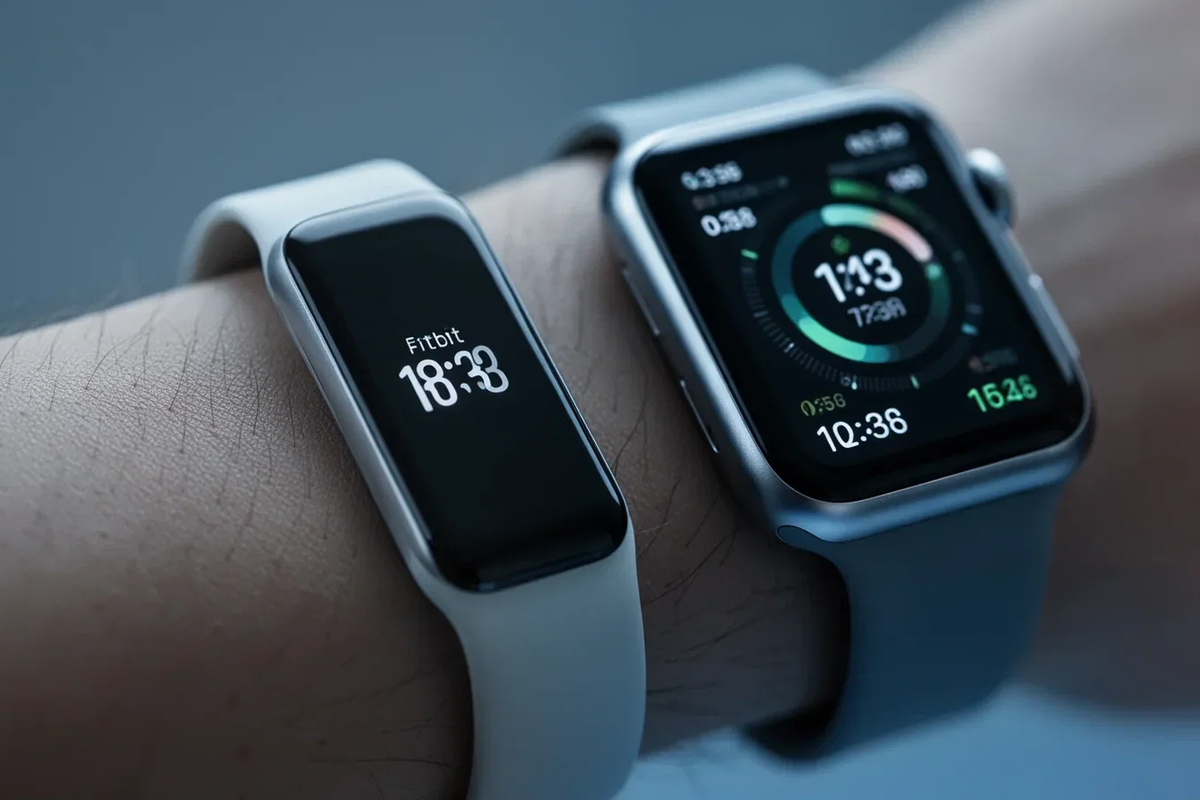
As wearable technology continues to evolve, the distinction between high-end smartwatches and specialized fitness trackers is becoming increasingly nuanced. The recent introduction of the Google Fitbit Air has sparked significant conversation regarding the role of screenless devices in a market dominated by feature-rich displays. For fitness enthusiasts, the core question remains: can a streamlined, dedicated tracker provide the accuracy and coaching needed to compete with established giants like the Apple Watch?
The Google Fitbit Air arrives at a time when the broader Fitbit ecosystem is undergoing a transition. As noted in official company documentation, the Fitbit app has been integrated into the Google Health platform, marking a shift toward more centralized, AI-driven wellness management. This transition is not merely cosmetic; it represents a fundamental change in how users interact with their biometric data, moving from simple step-counting toward a more holistic, conversation-based health coaching model powered by Gemini.
Accuracy and Performance in Real-World Testing
The performance of any fitness wearable is ultimately judged by its ability to track physiological data reliably. During a recent 10-kilometer run, the Google Fitbit Air was tested alongside the Apple Watch Ultra 3 to observe variances in key metrics such as heart rate and caloric expenditure. Both devices utilize optical heart rate sensors—LED-based systems that monitor blood flow at the wrist—to generate real-time health estimates. These estimates, when combined with movement data, provide the energy expenditure calculations that users rely on to track their progress.
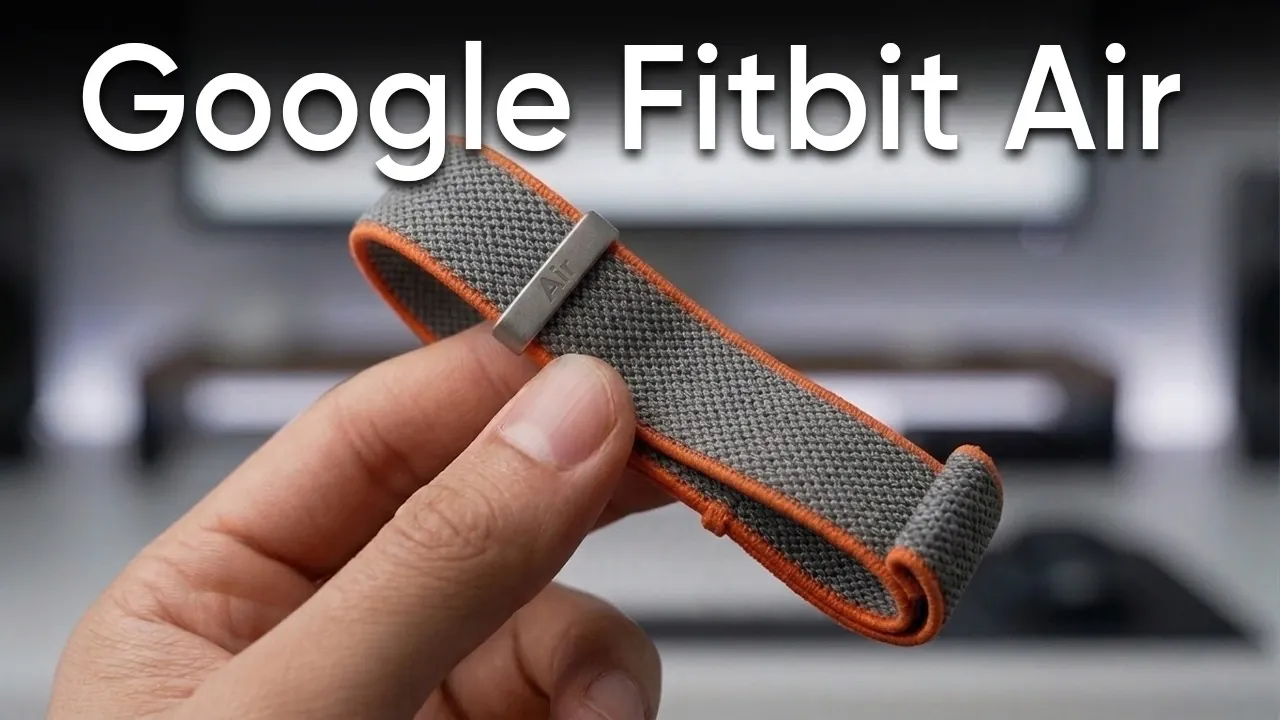
A critical technical distinction in this comparison is the approach to geolocation. While the Apple Watch Ultra 3 features built-in GPS capabilities, the Google Fitbit Air relies on the GPS sensor of a paired smartphone. For users who prioritize weight and comfort over standalone device independence, this design choice allows the Fitbit Air to maintain a smaller, screenless form factor. However, for those engaged in high-precision athletic training, the reliance on external GPS connectivity is a factor that warrants consideration when evaluating the device against standalone alternatives.
The Evolving Role of AI in Health Coaching
At the center of the current Fitbit strategy is the Google Health Premium membership. This service leverages Gemini to provide personalized coaching that adapts to the user’s specific health goals. Unlike static fitness plans, the Google Health Coach is designed to be conversational. Users can input their routines, preferences, and even information regarding injuries or travel, allowing the system to adjust day-by-day sleep goals and long-term fitness plans accordingly. This proactive approach aims to move beyond basic data reporting, offering guidance that is intended to support the user’s overall health vision.
This integration is part of a broader push by Google to unify its health and fitness offerings. By embedding Gemini-powered insights directly into the coaching interface, the company is positioning the Fitbit Air not just as a tracker, but as a component of a larger, adaptive health ecosystem. The system is designed to spot trends in user data and provide suggestions that account for rest and recovery, acknowledging that daily performance can fluctuate based on a variety of personal factors.
Design Philosophy and the Screenless Future
The decision to market the Fitbit Air as a screenless device challenges the current industry standard of high-resolution, touch-sensitive displays. This design philosophy emphasizes a less intrusive user experience, shifting the focus from constant screen interaction to a more passive, data-driven approach. By removing the display, the hardware is able to focus on ergonomics and battery efficiency, appealing to users who want to track their health without the distraction of notifications or complex menus.
This shift is particularly relevant given the company’s recent hardware updates, which include a variety of trackers and smartwatches such as the Pixel Watch 3 and the Fitbit Charge 6. As these products continue to evolve, the market will likely see a continued divergence between devices meant for deep digital integration and those designed for a more focused, fitness-centric experience. The Fitbit Air represents a clear bet on the latter, emphasizing that for many users, the quality of the health insights is more important than the complexity of the device’s interface.
Key Takeaways for Potential Users
- Integrated Ecosystem: The Fitbit app has transitioned into the Google Health app, centralizing health data and coaching.
- AI-Powered Guidance: Premium memberships now include Google Health Coach, which uses Gemini to create adaptive fitness and sleep plans.
- Form Factor: The Fitbit Air features a screenless design, prioritizing a lightweight and non-distracting user experience.
- GPS Connectivity: The device utilizes connected GPS via a paired smartphone rather than having internal GPS hardware.
- Holistic Coaching: The system is designed to adjust recommendations based on rest, recovery, and individual lifestyle variables.
As the wearable market matures, the competition between devices will continue to be defined by the accuracy of sensor data and the utility of the software behind it. For those interested in the latest developments, Google maintains an official store where the full range of Pixel and Fitbit devices can be compared, and further details regarding the Google Health ecosystem can be found at Google Store: Watches and Trackers. Whether the screenless trend will gain broader traction remains to be seen, but the Fitbit Air provides a compelling case for the value of simplicity in a tech-saturated world.

We welcome your thoughts on the shift toward screenless wearables and AI-driven coaching. How do you prioritize accuracy versus convenience in your fitness gear? Share your experiences in the comments section below.
Keep reading