Decode Your Fitness Age: Simple Tests to Reveal Your Body’s True Strength
Are you truly as fit as you think? As we age, maintaining strength, balance, and mobility becomes increasingly crucial for independence and overall health. Fortunately, you don’t need a gym full of equipment to get a solid read on your physical condition. Several simple bodyweight tests can reveal a surprising amount about your “fitness age” – and highlight areas where you can improve.
Here are four straightforward assessments to gauge your current fitness level, along with benchmarks to help you understand your results.remember, fitness isn’t fixed, and positive changes are always within reach.
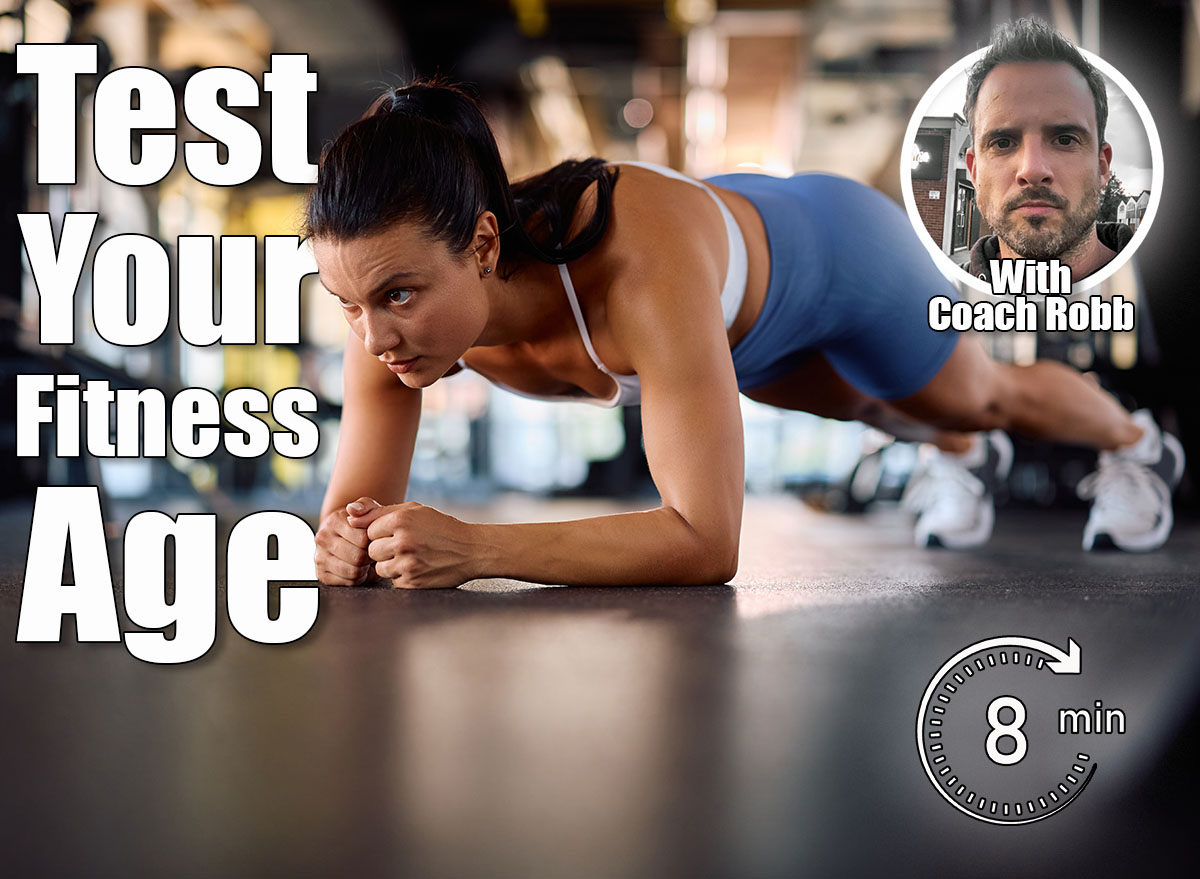
1. forearm Plank Test: A Core Strength Indicator
The forearm plank is a powerful exercise that reveals a lot about your spinal stability, core endurance, and muscular control. A weak core can lead to poor posture, back pain, and decreased balance, impacting your daily life.
Here’s how to perform the test:
- Assume a forearm plank position with proper alignment. Keep your core tight, hips level, shoulders stacked directly over your elbows, and your body in a straight line from head to heels.
- Hold the plank for as long as possible, maintaining good form.
- Benchmarks:
60 seconds or more: Excellent core strength and stability.
30-59 seconds: Average – a good foundation, but room for improvement.
Less than 20 seconds: Indicates early signs of core weakness and a need to focus on strengthening exercises.
2. Sit-to-Stand Test: Assessing Functional Strength
The sit-to-stand test is a key indicator of your core control, lower-body strength, and joint mobility. Struggling with this movement frequently enough signals early strength and mobility loss, possibly impacting your ability to perform everyday tasks.
Follow these steps:
- begin seated on the floor with your legs crossed.
- Attempt to stand up without using your hands, knees, or any other form of support.
- Benchmarks:
Standing up with no support: Excellent functional strength and mobility.
Needing assistance from knees or hands: Suggests a need to improve lower-body strength and flexibility.
3. Pushup Test: Upper Body Power Revealed
Pushups are a classic test of upper-body strength and muscular endurance. Maintaining push strength is vital for staying independent as you age, allowing you to perform tasks like lifting objects and getting up from a chair.Here’s how to conduct the test:
- Perform as many pushups as possible in one set,maintaining proper form. You can choose to do full pushups or modified pushups (on your knees).
- Benchmarks:
Men: 10-15+ full repetitions = Fit.
Women: 10-12+ modified repetitions = Fit.
Reclaiming Your Fitness Age: It’s Never Too Late
The good news is that your fitness age isn’t set in stone. With consistent effort,you can reverse years of decline and build a stronger,more resilient body.
Focus on incorporating these strategies into your routine:
Strength Training: Regularly challenge your muscles with resistance exercises.
Mobility Work: Improve your range of motion and flexibility through stretching and dynamic movements. Recovery Strategies: Prioritize adequate hydration and sleep to allow your body to repair and rebuild.
Remember, small, consistent changes can make a significant difference. Taking the time to assess your fitness level and address any weaknesses is an investment in your long-term health and well-being.
Want to further boost your health? Discover how long your walking workout should be to shrink belly fat.
Related reading