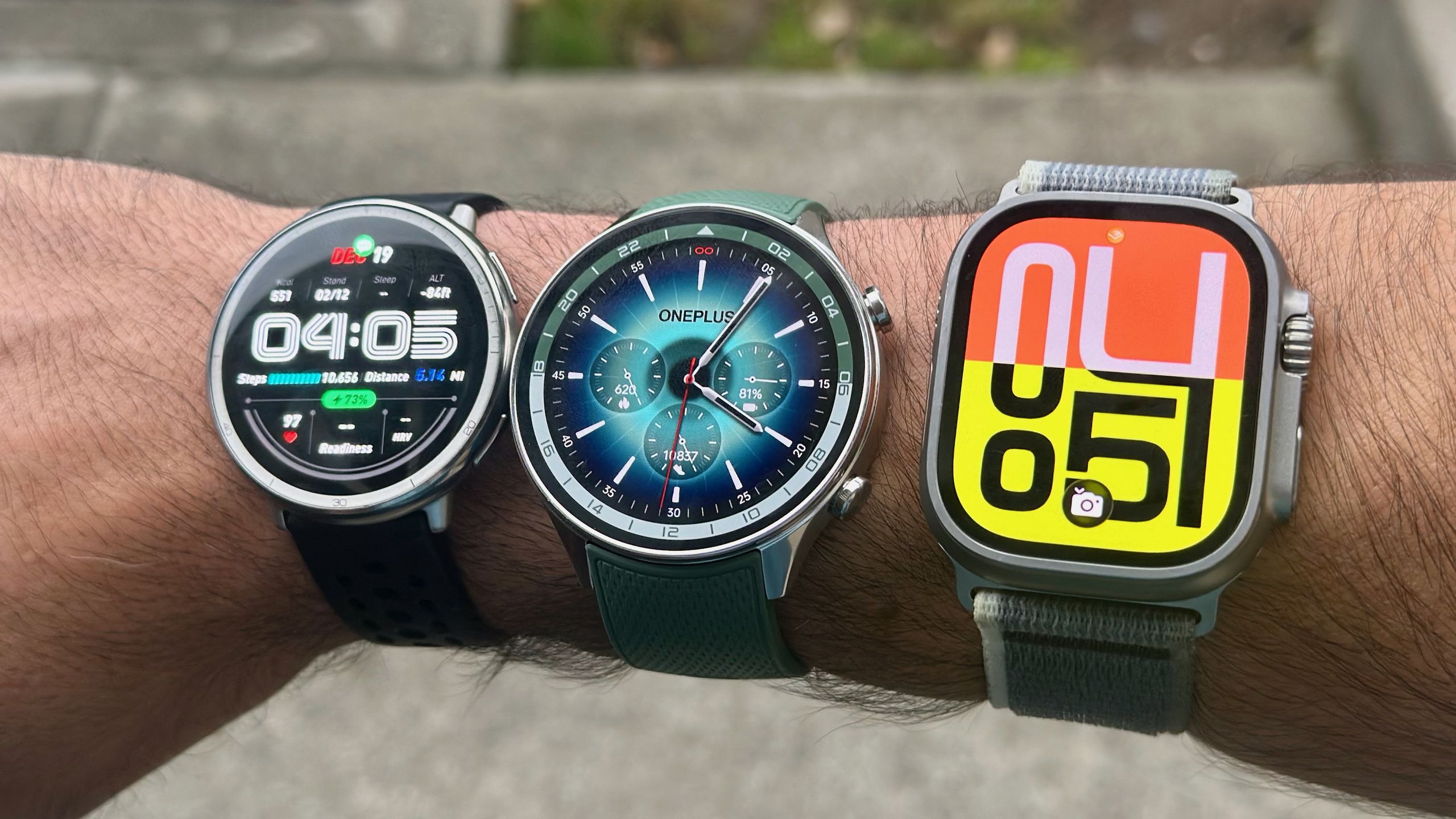
Beyond 10,000 Steps: What You Need to No About Step Tracking Accuracy
For years, 10,000 steps a day has been touted as the gold standard for health. However, recent research suggests that a more realistic and achievable goal – between 6,000 and 8,000 steps – delivers important preventative health benefits. These benefits include a reduced risk of cardiovascular disease,cancer,sleep apnea,reflux,dementia,depression,and obesity.
But how confident can you be in the number your wearable is telling you? LetS dive into the world of step tracking and what impacts its accuracy.
Why Accuracy Matters
A seemingly small inaccuracy in step counting can add up significantly over time. Consider this: a 200-step daily error translates to 6,000 extra steps per month, or a staggering 72,000 steps annually. Thus, choosing a device that accurately reflects your activity is crucial for understanding your true activity levels and progress toward your goals.
Smartwatches vs. smart Rings: A Step-Counting Showdown
Smartwatches generally provide more reliable step tracking data than smart rings, especially for everyday activities. While smart rings excel at counting steps during walking, they often register “phantom steps” when you’re engaged in other movements, like typing.
Here’s a breakdown:
* Smartwatches: Typically utilize accelerometers to accurately detect and count steps during various activities.
* Smart Rings: Can be prone to overestimation, especially when hand movements mimic walking.
If you rely on a smart ring,you might overestimate your activity level and underestimate your sedentary time.
The Price of Precision: Does Cost Equal Accuracy?
You might assume that a higher price tag guarantees superior accuracy. Surprisingly, this isn’t always the case.While premium devices from brands like Apple and Garmin offer refined algorithms, manny more affordable options, such as the Amazfit active 2, provide surprisingly accurate step counts.
Generally, most established fitness watch brands - and mainstream smartwatches prioritizing fitness – are effectively tracking your steps, rather than simply estimating. however, one brand, Suunto, has been noted as an exception.
Runners Rejoice: Accurate Data is Within Reach
Runners can rest assured: step tracking accuracy is consistently high across most devices when it comes to running. The consistent, rhythmic motion of running allows even less expensive trackers to deliver reliable data.
Key Takeaways for Your Step Tracking Journey
* Focus on consistency, not just a number. Aim for a daily step goal that’s challenging yet achievable for you.
* Consider your activities. If you spend a lot of time at a desk, a smartwatch is likely a better choice than a smart ring.
* Don’t get hung up on perfection. While accuracy is significant,remember that step tracking is a tool to help you understand your activity levels,not a definitive measure of your health.
* Prioritize overall movement. Regardless of the exact number, prioritize incorporating regular physical activity into your daily routine.
Ultimately, the best step tracker is the one you’ll consistently wear and use. by understanding the nuances of step tracking technology, you can make an informed decision and leverage this tool to achieve your health and fitness goals.
Keep reading