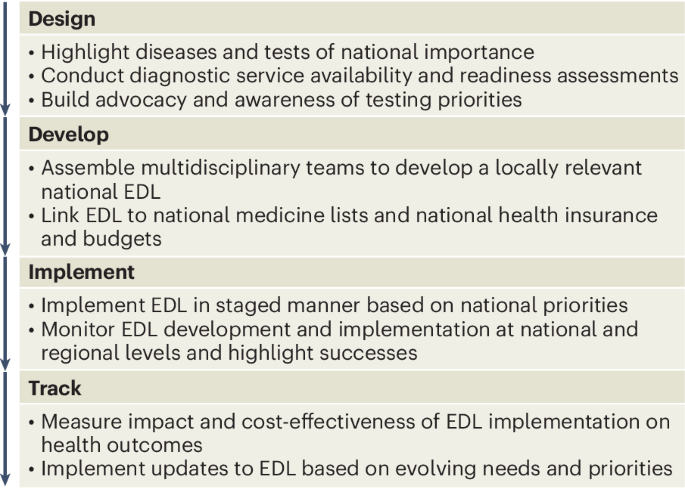
The future of diagnostics in Africa is gaining renewed attention as global health experts emphasize the need for self-reliance in testing capabilities to strengthen health security and advance universal healthcare. With diagnostic testing playing a pivotal role in disease detection, outbreak response, and treatment monitoring, efforts are underway to address longstanding gaps in access, infrastructure, and local manufacturing across the continent.
Recent discussions highlight the importance of shifting from reliance on imported diagnostic tools to building sustainable, locally adapted solutions. This includes investing in point-of-care technologies, strengthening laboratory networks, and training healthcare workers to use and maintain diagnostic equipment effectively. Such measures are seen as critical to improving early detection of diseases like malaria, tuberculosis, and HIV, which continue to burden health systems in many African countries.
The push for diagnostic self-reliance aligns with broader goals of pandemic preparedness and equitable healthcare access. Experts note that while political attention to diagnostics increased during the COVID-19 pandemic, translating that focus into sustained investment and action has remained a challenge. Concerns persist about supply chain vulnerabilities, diagnostic nationalism, and the risk of diverting resources from essential tests for non-COVID conditions amid ongoing demand for pandemic-related testing.
Innovative approaches are being explored to overcome these barriers, including the use of artificial intelligence to support diagnostic interpretation, drones for sample transport in remote areas, and mobile health applications to improve follow-up and data collection. These technologies aim to enhance diagnostic reach and efficiency, particularly in regions affected by instability or limited infrastructure.
Efforts to develop target product profiles for neglected tropical diseases (NTDs) diagnostic tests have also gained momentum, with the World Health Organization releasing guidelines to expedite the creation of affordable, easy-to-use tools suited to low-resource settings. Such initiatives seek to ensure that diagnostic innovation addresses not only epidemic-prone diseases but also the persistent health challenges faced by communities across Africa.
As countries work toward strengthening their diagnostic capabilities, collaboration between governments, international organizations, and local innovators is viewed as essential. Success will depend on sustained funding, technical support, and policies that prioritize equitable access to accurate and timely diagnosis as a foundation of effective healthcare.