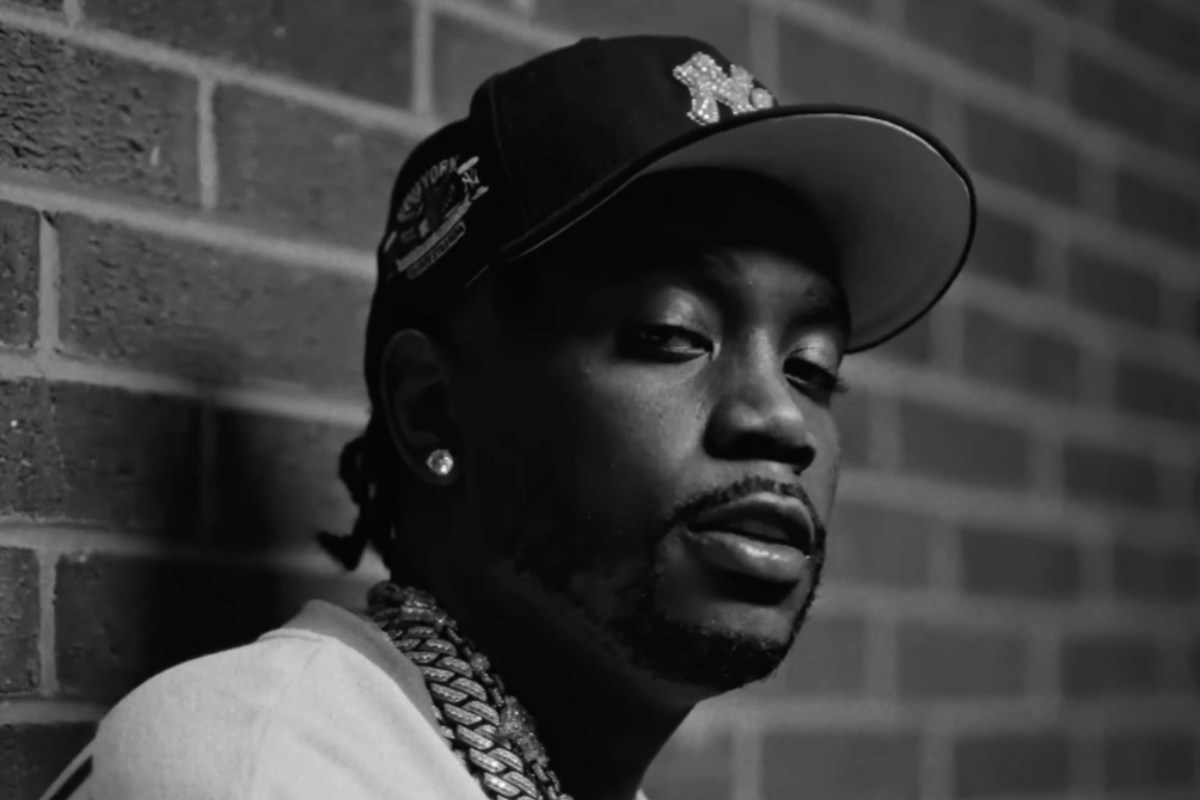
New York rapper Fivio Foreign, a prominent figure in the modern drill music scene, has marked a significant artistic shift by releasing a faith-based gospel track. Known for gritty street anthems and energetic club hits, the artist explores themes of spirituality, personal redemption, and gratitude on the new recording, signaling a distinct pivot in his musical trajectory.
The release arrives as contemporary hip-hop artists increasingly intersect secular success with personal expressions of faith. For Fivio Foreign—born Maxie Lee Ryles III—the move toward gospel music reflects a documented personal and professional evolution following years of chart-success in the drill genre, where he collaborated with major industry acts like Kanye West and Drake.
Music industry analysts note that spiritual reinventions within hip-hop often follow major life transitions or periods of intense public scrutiny. While secular artists crossing over into gospel frequently face skepticism from purists in both communities, releases of this nature invite broader conversations about identity, recovery, and artistic reinvention within urban music culture.
From Drill Pioneer to Gospel Expression
Fivio Foreign first rose to widespread prominence during the late 2010s, anchoring the Brooklyn drill movement alongside the late Pop Smoke. His aggressive delivery and signature ad-libs became staples of the subgenre. However, artists within the drill community frequently grapple with the heavy personal tolls associated with the lifestyle depicted in their lyrics, prompting some performers to seek spiritual outlets.
By stepping into the gospel space, the rapper joins a lineage of hip-hop figures who have utilized sacred music to process personal trials. The track blends traditional spiritual messaging with contemporary production techniques, maintaining a rhythmic intensity while shifting the lyrical focus away from street narratives toward themes of divine protection and inner peace.
Listeners and long-time fans have taken to digital platforms to react to the stylistic departure. While some express surprise at the sudden shift in tone, others view the gospel release as a natural extension of the artist’s personal growth and public reflections on faith.
Industry Context and Cultural Impact
The intersection of hip-hop and gospel is not new, but modern streaming habits and independent distribution models allow artists to test genre boundaries more fluidly than in previous decades. Major rap figures have frequently incorporated religious interludes or entire gospel-inspired projects into their discographies, influencing listeners who span both traditional church environments and secular urban markets.
Cultural commentators emphasize that an artist’s credibility often hinges on the perceived authenticity of such transitions. When performers openly discuss personal struggles, legal challenges, or spiritual awakenings, their music frequently resonates with audiences looking for narratives of resilience rather than standard commercial bravado.
As the track circulates across streaming platforms, industry observers are tracking how digital radio stations and curated playlists receive the crossover work. The single positions the performer uniquely within a competitive landscape where stylistic versatility increasingly defines artistic longevity.
Next Steps and Availability
The new gospel single is currently available across major digital streaming platforms, including Spotify, Apple Music, and YouTube. Representatives for the artist have not yet confirmed whether the track serves as the lead single for a forthcoming full-length project or if it stands as an independent release.
Fans and industry followers seeking official updates on upcoming music videos, tour dates, or further statements from the artist can monitor his verified social media channels. We welcome your thoughts on this musical shift—join the discussion in the comments below and share this report with your network.
Worth a look