
Ukrainian authorities have reported the deployment of a new long-range strike system designated as the “Flamingo,” claiming the weapon successfully engaged an industrial facility located approximately 1,000 kilometers inside Russian territory. The development marks a shift in Ukraine’s tactical capabilities, as the country seeks to leverage domestic military-industrial innovation to address its ongoing conflict with Russia. According to official statements from the Ukrainian leadership, these systems are designed to reach targets deep behind the front lines, a strategy aimed at degrading Russian logistics and defense infrastructure.
The introduction of the Flamingo missile system follows a period of accelerated development within Ukraine’s defense technology sector. While details regarding the technical specifications of the weapon remain largely classified, reports indicate that the project is the result of collaboration between government agencies and private sector startups. This model of “agile defense manufacturing” has become a hallmark of Ukraine’s response to the Russian invasion, allowing for rapid prototyping and deployment of asymmetric weaponry, as noted by the U.K. Ministry of Defence in broader assessments of Ukrainian long-range strike operations.
Operational Context and Strategic Reach
The strategic significance of the Flamingo lies in its reported range, which, at 1,000 kilometers, enables the Ukrainian military to challenge Russian assets previously considered safe from conventional missile threats. The use of such systems represents a departure from reliance on Western-supplied armaments, which often come with explicit geographical restrictions regarding their use against targets within internationally recognized Russian borders. By utilizing locally developed, long-range platforms, Kiev aims to maintain operational autonomy in its targeting strategy.

Recent military assessments highlight that the conflict has increasingly shifted toward long-range attrition. According to the Institute for the Study of War, Russia has responded to these pressures by consolidating military infrastructure and logistics hubs further from the Ukrainian border, while simultaneously expanding its own drone and missile production. The introduction of the Flamingo system appears to be a direct attempt to counter this defensive posture by extending the reach of Ukrainian strikes to critical nodes deep within the Russian interior.
Defense Innovation and Domestic Production
The emergence of the Flamingo is linked to a broader initiative by the Ukrainian government to foster a “military-industrial ecosystem.” Since 2022, the Ukrainian Ministry of Strategic Industries has been tasked with streamlining the procurement process for domestic startups, allowing firms to bypass bureaucratic hurdles that previously slowed the integration of new technology. This domestic focus is essential, given the fluctuations in foreign military aid packages and the necessity for a sustainable, long-term supply chain for high-value munitions.
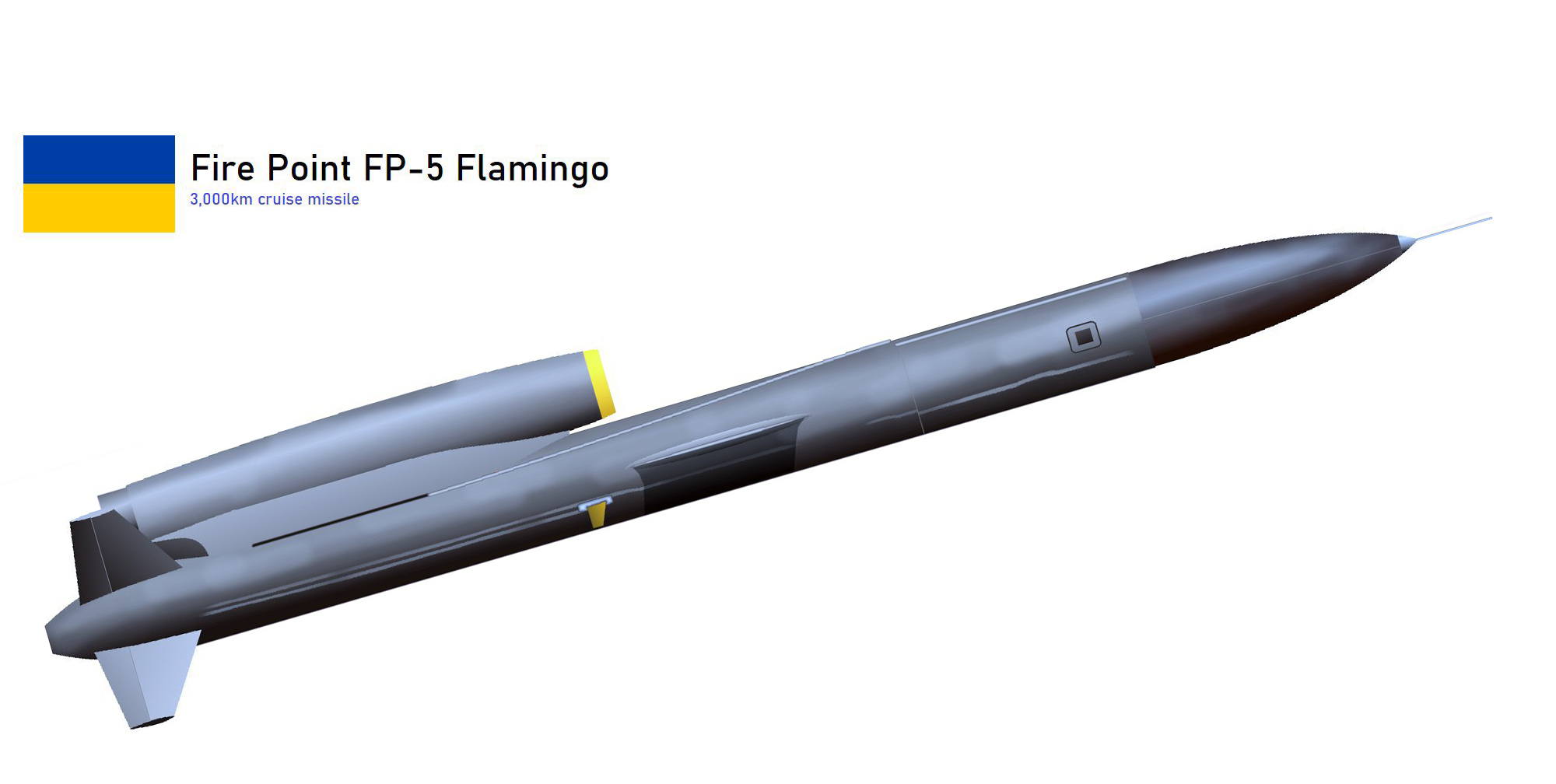
Experts observe that the development of such missiles requires significant investment in guidance systems and propulsion technology. While the specific technical architecture of the Flamingo remains undisclosed, the ability to strike targets at such distances suggests progress in satellite-linked navigation and low-observable flight profiles. According to reporting from the Kyiv Post, the Ukrainian state has prioritized the development of “deep strike” capabilities to disrupt the supply of ammunition and fuel to the front lines, effectively forcing Russian forces to expend resources on air defense in rear areas.
Broader Conflict Dynamics and International Implications
The deployment of the Flamingo occurs against a backdrop of intensified aerial warfare. Both sides have significantly increased their use of long-range drones and ballistic missiles. Moscow continues to execute multi-wave strikes on Ukrainian energy infrastructure, while Ukraine has responded with targeted efforts to hit Russian oil refineries, airfields, and command centers. The Organization for Security and Co-operation in Europe (OSCE) has documented the increasing frequency of these long-range exchanges, noting the escalating risks to civilian infrastructure near conflict zones.
The Russian government has characterized these attacks as escalatory, frequently citing the use of sophisticated weaponry as evidence of direct Western involvement in the conflict. However, Ukrainian officials maintain that their domestic strike programs are entirely indigenous, aimed at restoring a balance of power. The international community, meanwhile, continues to monitor these developments as they impact the overall stability of the region and the prospects for potential negotiations. As of the latest updates, no formal response regarding the specific technical nature of the Flamingo has been provided by international arms inspectors.
Future Developments and Monitoring
The operational success of the Flamingo system will likely be measured by its impact on Russian logistical efficiency and the subsequent adjustments made by Russian air defense networks. Observers anticipate that the next phase of the conflict will see an increased reliance on electronic warfare to counter such long-range threats. The Ukrainian government has indicated that it will continue to scale up production of these systems as part of its 2024 defense strategy.

Updates on the progress of these indigenous defense programs are expected to be provided during the upcoming sessions of the Ukraine Defense Contact Group, where member nations assess the status of the front and the evolution of the combat theater. Readers interested in following the technical and strategic updates regarding this conflict are encouraged to monitor official announcements from the Ministry of Defence of Ukraine for further verified information. We welcome your perspectives on the evolution of modern warfare in the comments section below.