The funeral of Margriet Hermans, the beloved Flemish media personality and former politician, drew a massive television audience across Flanders, reflecting her enduring impact on the public consciousness. According to official viewing figures released by the [Vlaams Audiovisueel Centrum](https://www.vlaamsaudiovisueelcentrum.be/), the broadcast of the memorial service reached hundreds of thousands of viewers, confirming her status as one of the region’s most cherished cultural figures. Hermans, who passed away recently, was remembered by friends, family, and political colleagues for her vibrant personality and multifaceted career.
As a sports editor who has covered public figures in various arenas for over 13 years, I recognize that the outpouring of public sentiment following the passing of a prominent individual often transcends their professional titles. Margriet Hermans was not merely a politician or a television host; she was a fixture in Belgian living rooms for decades. The high viewership during her final farewell serves as a testament to the connection she fostered with her audience—a connection that remained strong even as she transitioned from the world of entertainment to the halls of the Flemish Parliament.
A Legacy Beyond Politics and Entertainment
The Flemish Parliament held a formal tribute to honor Hermans, acknowledging her contributions to public life that extended well beyond her legislative work. Colleagues noted that her presence in the chamber was characterized by the same warmth that defined her earlier television career. This sentiment was echoed by many, including those who worked with her in the private sector. Benoit, a well-known hair stylist who had a long-standing professional relationship with Hermans, described her as the “sunshine in the salon,” noting that she would travel significant distances to maintain their professional bond, demonstrating a loyalty that defined her personal character.
This duality—the serious policymaker and the effervescent entertainer—is what many believe fueled the high interest in her funeral. According to reports from [VRT NWS](https://www.vrt.be/vrtnws/nl/), the public response was a reflection of the collective mourning of a generation that grew up watching her transition from a singer and presenter to a representative of the people. The funeral proceedings were conducted with a balance of solemnity and the lightheartedness that Hermans herself championed throughout her life.
Understanding the Cultural Impact of Media Figures
The phenomenon of “mass viewing” for the funeral of a media personality is a significant indicator of how Flemish society processes loss. In the case of Margriet Hermans, the audience was not just watching a ceremony; they were participating in a final act of communal recognition. Analysts often point to the “para-social” relationship—where viewers feel a genuine bond with someone they have only seen on screen—as a primary driver for such high engagement.
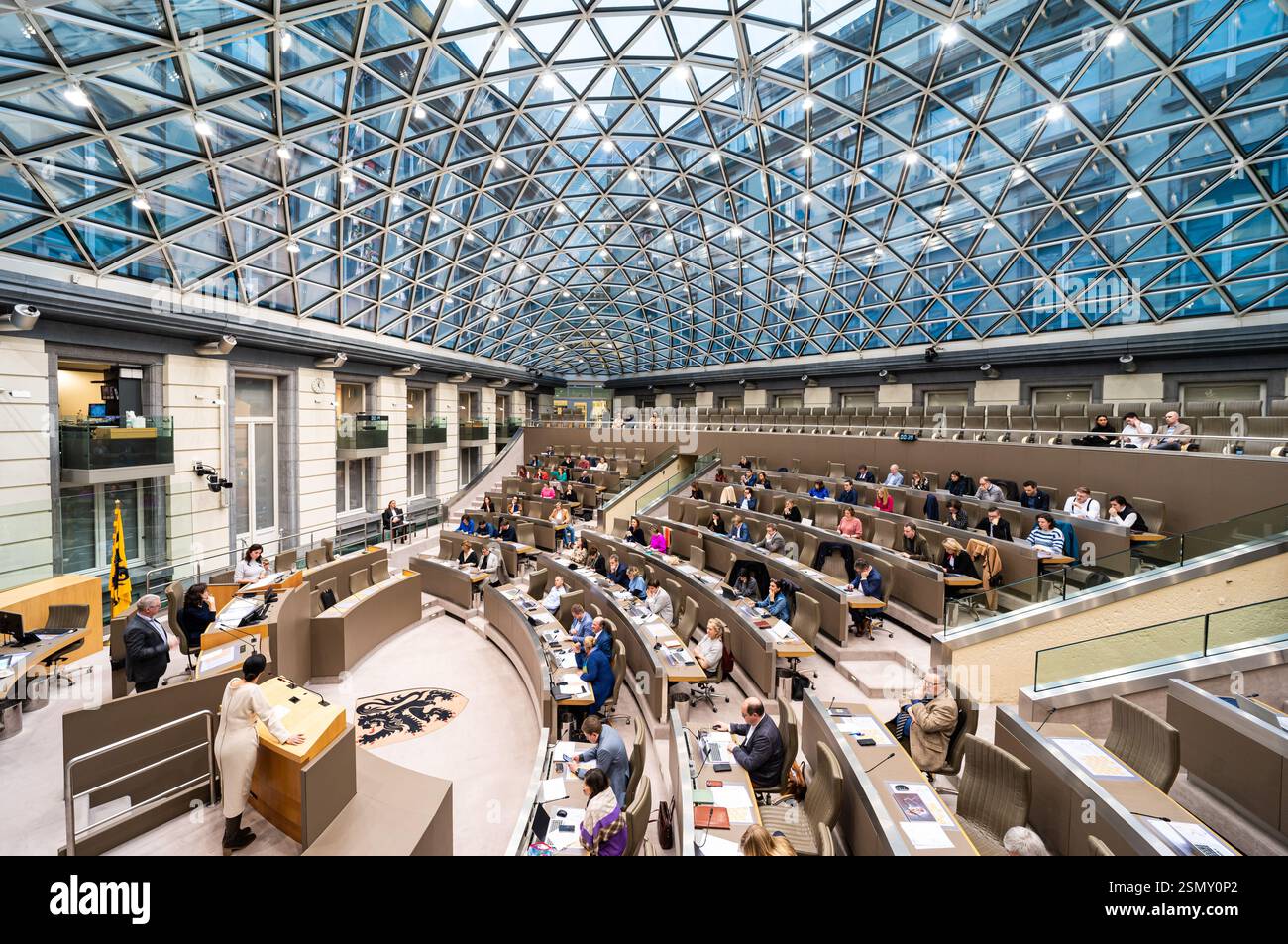
For those tracking the intersection of media and public sentiment, the numbers confirm that Hermans held a unique position. Her ability to pivot between the demanding environment of the Flemish Parliament and the high-pressure world of television, as documented by [De Standaard](https://www.standaard.be/), highlights a rare versatility. While many public figures struggle to maintain popularity outside their core field, Hermans managed to retain the affection of the Flemish public throughout her various career iterations.
Details of the Farewell and Public Response
The funeral service itself was marked by tributes from figures across the media and political spectrum. While the event was private in nature for the family, the decision to broadcast the service allowed for a wider public participation, which was clearly reflected in the viewership statistics. The [Belgian Press Agency (Belga)](https://www.belga.be/) reported that the coverage provided a rare look at the human side of a public servant, emphasizing the personal stories of those who knew her away from the cameras.
Key moments from the service, including personal anecdotes shared by family members and close friends, resonated heavily on social media platforms. The public discourse following the broadcast remained overwhelmingly focused on her “authenticity,” a term frequently used by commentators to describe why she remained a household name for so many years. This focus on her character, rather than just her professional accolades, suggests that her legacy will be defined by the warmth she projected, rather than just the offices she held.
What Happens Next in the Public Memory
As the initial period of mourning concludes, the focus in Flanders is shifting toward how Margriet Hermans will be remembered in the long term. There have been calls from various cultural organizations to commemorate her contributions through dedicated exhibitions or future media retrospectives, though no official plans have been confirmed by the relevant authorities at this time. For the public, the next checkpoint will likely be the anniversary of her passing, where media outlets are expected to air tribute programs highlighting her most memorable moments.
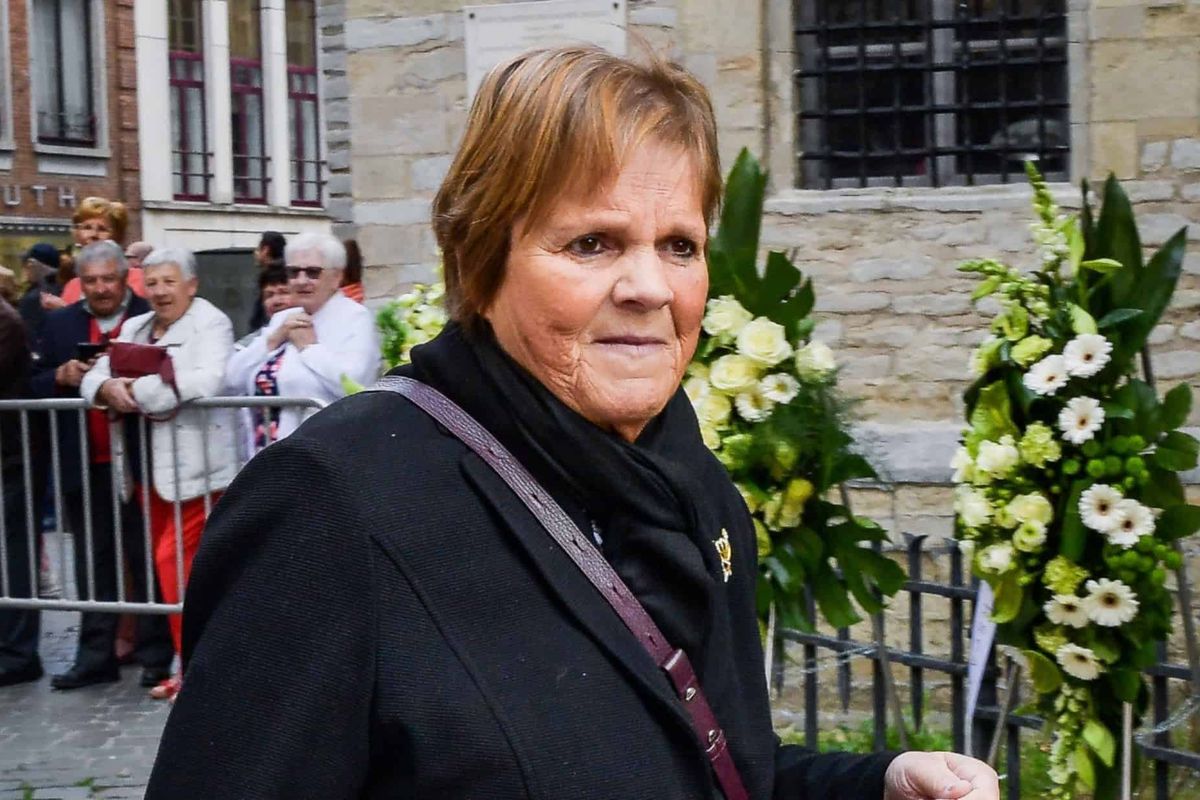
For those interested in following official updates regarding tributes or legacy projects, local news outlets and the official website of the [Flemish Parliament](https://www.vlaamsparlement.be/) remain the most reliable sources for information. The sheer scale of the public’s response to her funeral suggests that her influence will continue to be felt for some time. We invite our readers to share their own memories or reflections on the career of Margriet Hermans in the comments section below, as we continue to document the stories that shape our shared cultural landscape.
Worth a look