
A striking image of a protester clad in a full astronaut suit marching toward the Rotes Rathaus has captured public attention, serving as a surreal centerpiece for a broader movement demanding socio-political change in the German capital. The sight of a space-traveler navigating the streets of Berlin-Mitte highlights a growing trend of “artivism,” where performance art is used to amplify urgent civic demands.
The astronaut, a recurring figure in Berlin’s protest landscape, is part of the Protestonaut
project, a journalistic art initiative designed to draw attention to pressing global and local challenges through humor, photography, and live performance. By placing a figure designed for the vacuum of space into the heart of urban political struggle, the project seeks to create a visual paradox that forces passersby and policymakers alike to stop and consider the message on the placard.
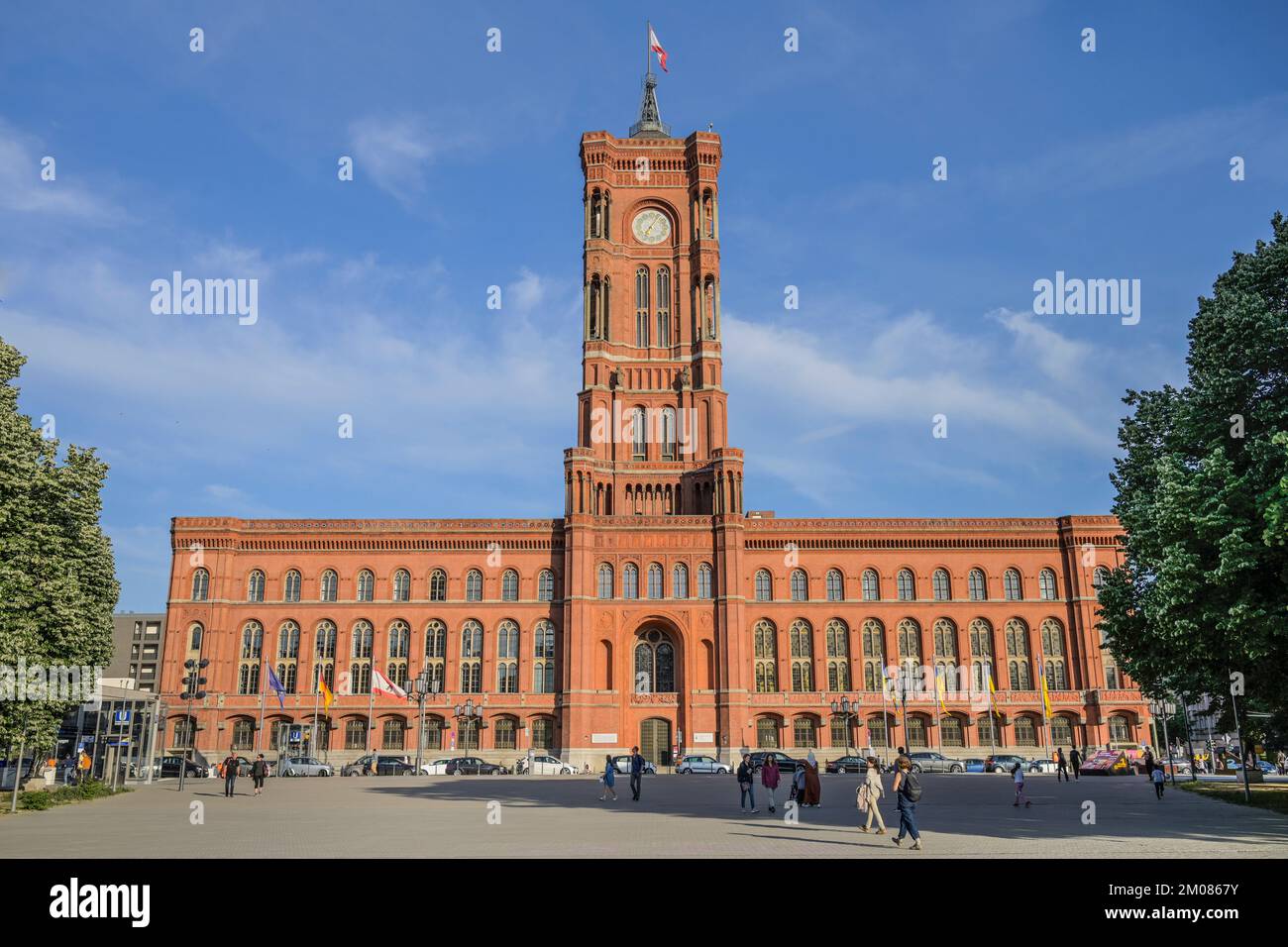
The march toward the Rotes Rathaus—the historic “Red Town Hall” and seat of the governing mayor and provincial government of Berlin—symbolizes a direct appeal to the city’s highest administrative authority. This specific form of protest blends the absurdity of the costume with the gravity of the issues being addressed, ranging from housing affordability to the acceleration of the energy transition.
The Symbolism of the Space Suit in Urban Protest
The use of an astronaut suit in Berlin is not a random choice but a calculated artistic strategy. According to the Protestonaut project, the initiative uses live performances and photography to address socio-political challenges. The astronaut represents a detached, objective observer—someone from “outside” the system—who returns to Earth to point out the systemic failures of the society below.
This visual metaphor has been particularly effective in protests regarding the cost of living. In previous demonstrations, the astronaut has carried placards stating Your rents are moon prices
, a play on words that links the astronomical nature of space travel to the skyrocketing costs of housing in Berlin. This specific imagery has appeared in various housing rights marches, including events starting at Potsdamer Platz and culminating in marches toward government buildings documented by Getty Images.
The Rotes Rathaus, characterized by its distinctive red clinker bricks and High Renaissance architecture, provides a stark, traditional backdrop to the futuristic silhouette of the astronaut. This juxtaposition emphasizes the gap between the slow-moving machinery of government and the urgent, modern crises facing the city’s residents.
Broader Context: Berlin’s Climate and Energy Unrest
The astronaut’s presence often coincides with larger waves of civic unrest in Berlin. For instance, recent demonstrations have focused on the Energiewende (energy transition). On Saturday, April 18, 2026, thousands of climate activists gathered in Berlin-Mitte to demand a faster shift toward renewable energy and to criticize the policies of the Federal Minister for Economic Affairs, Reiche, over high energy prices linked to conflicts in the Middle East as reported by Tagesschau.
These protests reflect a deepening frustration among Berliners regarding three primary pillars of urban stability:
- Housing Affordability: The struggle against “moon prices” and the demand for fair rent caps.
- Energy Sovereignty: The push for a rapid transition to green energy to decouple the economy from volatile global fossil fuel markets.
- Government Accountability: The use of the Rotes Rathaus as a focal point for demands for transparency and faster legislative action.
The intersection of these movements creates a volatile but creative atmosphere in the city. The “flashmob” nature of these events—where participants appear suddenly in coordinated costumes—is designed to maximize media visibility and social media shareability, ensuring that the message reaches a global audience beyond the physical boundaries of the march.
What This Means for Berlin’s Political Climate
The transition from traditional picket lines to performance-based protests indicates a shift in how citizens engage with power. When standard petitions and rallies fail to yield immediate results, “artivism” fills the gap, using shock and irony to bypass the fatigue of the general public. The astronaut is not merely a costume; It’s a tool for engagement that transforms a political demand into a cultural moment.
For the administration at the Rotes Rathaus, these protests represent a persistent challenge. The visibility of such unconventional demonstrations often forces officials to respond to the optics of the situation, even if the underlying policy changes take longer to implement.
Key Takeaways: The “Protestonaut” Phenomenon
- Artistic Intent: The astronaut is part of the Protestonaut project, which uses humor and photography to highlight socio-political issues.
- Core Message: The imagery often targets “astronomical” costs, specifically regarding Berlin’s housing market and energy prices.
- Strategic Location: The Rotes Rathaus is targeted as the seat of Berlin’s governing mayor and provincial government.
- Broader Movement: These actions often overlap with larger climate and energy protests, such as the April 2026 Energiewende demonstrations.
As Berlin continues to grapple with the pressures of a growing population and a shifting energy landscape, the appearance of the astronaut serves as a reminder of the city’s enduring spirit of dissent, and creativity. The march toward the Red Town Hall is a visual manifestation of the distance between the people’s needs and the government’s current trajectory.
The next significant checkpoint for these movements will be the upcoming municipal budget hearings and the scheduled reviews of the city’s housing policy, where activists hope to translate visual impact into legislative reality.
Do you believe performance art is an effective way to drive political change? Share your thoughts in the comments below.
Keep reading