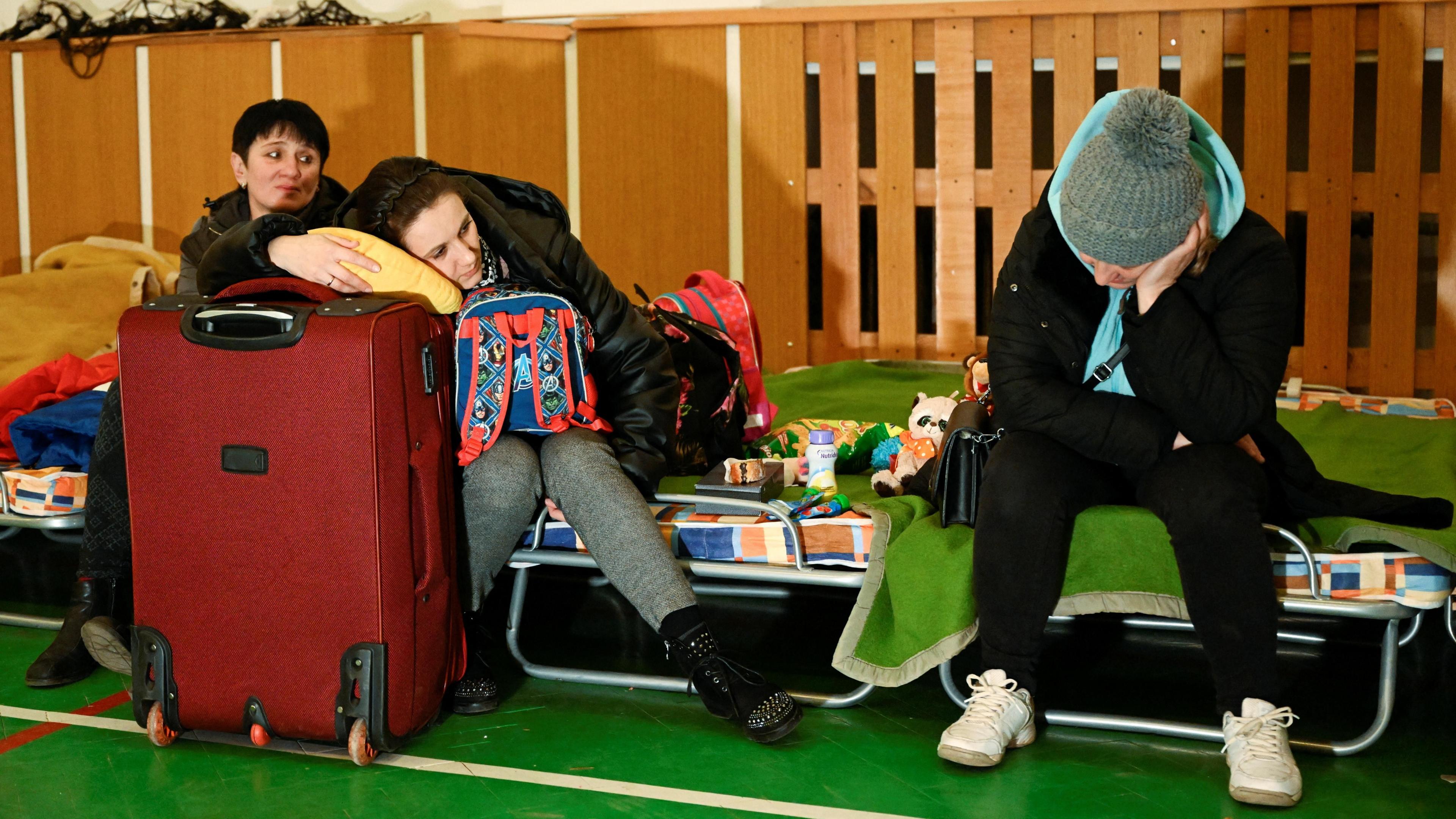
A recent incident involving a Ukrainian woman forced to spend a night at a train station rather than in a designated shelter has brought renewed scrutiny to the Slovak aid system for Ukrainian refugees. The event has been highlighted as a stark illustration of the systemic “cracks” that persist within the framework of humanitarian support provided to displaced persons in Slovakia.
The failure to provide immediate shelter to a vulnerable individual reveals significant gaps in the coordination and execution of aid. Although Slovakia has historically welcomed thousands of those fleeing the conflict in Ukraine, this specific case underscores a disconnect between official policy and the actual delivery of essential services on the ground.
The incident, which saw a woman seeking refuge relegated to a public station overnight, has sparked discussions regarding the reliability of the current support network. For many refugees, the promise of safety and shelter is the primary driver for seeking asylum and the failure to provide this basic necessity suggests a fragility in the administrative systems meant to manage the crisis.
Systemic Failures in Refugee Support
The case of the Ukrainian woman spending a night at a station instead of a shelter serves as a critical data point for those analyzing the efficacy of the Slovak aid system for Ukrainian refugees. Reports indicate that the situation exposed “cracks” in how aid is distributed and accessed, suggesting that the mechanisms for emergency housing may be insufficient or poorly communicated.

When individuals are left without shelter in a foreign country, it indicates more than just a temporary lack of beds; it suggests a breakdown in the triage and placement processes. This lack of immediate support can leave refugees exposed to safety risks and psychological distress, undermining the humanitarian goals of the host nation.
The Long-Term Ukrainian Experience in Slovakia
The challenges faced by new arrivals are mirrored by the ongoing experiences of those who have integrated into Slovak society over the last several years. Iryna Voronkina, a Ukrainian national who has lived in Slovakia for nearly four years, represents the broader community of displaced persons navigating the complexities of life and legal status within the country.
The presence of individuals like Voronkina highlights the transition from emergency short-term aid to long-term integration. However, the recent failure to provide shelter to a newcomer suggests that even as some refugees uncover stability, the entry-point for others remains fraught with instability and systemic inefficiency.
Key Implications of the Shelter Crisis
- Administrative Gaps: The inability to secure a shelter spot indicates a failure in real-time bed management and refugee tracking.
- Humanitarian Risk: Forcing vulnerable populations to spend nights in public transit hubs increases the risk of exploitation and health crises.
- Reputational Impact: Such incidents challenge the narrative of a seamless and welcoming aid infrastructure.
As Slovakia continues to host Ukrainian citizens, the demand for a more robust and responsive support system becomes urgent. The transition from initial emergency responses to a sustainable support model requires addressing these “cracks” to ensure that no refugee is left to seek shelter in a train station.
Further updates on the reform of refugee housing protocols and official responses to this systemic failure are expected as local authorities review the incident. We encourage readers to share their perspectives on refugee support systems in the comments below.