Real Madrid president Florentino Pérez continues to pursue a long-term strategy centered on financial stability and high-profile recruitment to maintain the club’s status as a global football leader. Following his latest re-election, Pérez has reinforced his commitment to a business model that combines increased commercial revenue with the acquisition of world-class talent, a philosophy often associated with the “Galáctico” era of his previous tenures. According to the Real Madrid official electoral commission, these strategic priorities remain the cornerstone of his administration’s mandate.
The Evolution of the Real Madrid Business Model
The core of the club’s current economic strategy involves optimizing its commercial operations and infrastructure. Central to this is the renovation of the Santiago Bernabéu stadium, a project intended to transform the venue into a year-round revenue generator. By modernizing the facility, the club aims to increase its annual income through non-football events, hospitality, and expanded retail opportunities. Data from the club’s official financial reports confirms that maintaining a positive net worth remains a primary goal for the board, allowing for significant reinvestment into the first-team squad despite the broader challenges facing European football finance.
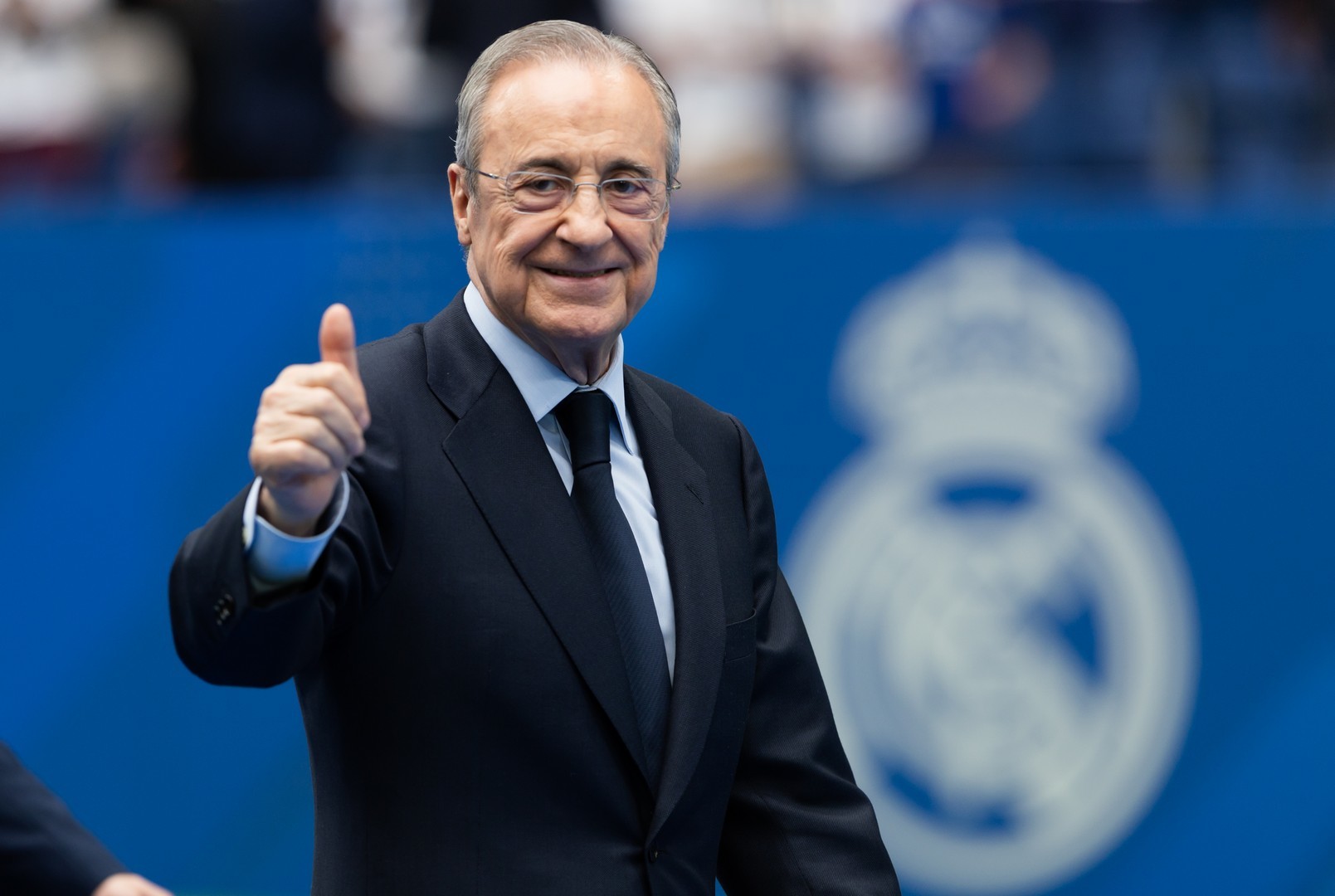
While industry analysts have frequently speculated on the possibility of opening the club’s capital to external investors, the institution has remained a member-owned organization. This structure, governed by the club’s bylaws, ensures that the socios—the club’s members—retain ultimate control over presidential elections and major strategic decisions. According to records from the Real Madrid presidential history archives, this membership model has been a defining characteristic of the club since its inception, distinguishing it from the state-owned or private equity-backed models seen elsewhere in the sport.
Recruitment and the “Galáctico” Philosophy
Pérez has consistently emphasized that the club’s on-pitch success is inseparable from its brand power. The recruitment of high-profile players—popularly termed “Galácticos”—serves both a sporting and a commercial purpose. By signing global superstars, the club maximizes its exposure in international markets, which in turn drives sponsorship deals and merchandise sales. This dual-pronged approach was famously implemented during his first term in the early 2000s and remains a blueprint for his current leadership, as reported by Reuters regarding the club’s recent financial growth.
Historically, the club has also sought managers capable of handling the high-pressure environment of the Bernabéu. The tenure of coaches like José Mourinho, who served as manager from 2010 to 2013, highlighted the club’s desire for strong, authoritative figures capable of challenging established hierarchies in European football. While media reports have occasionally linked various high-profile managers to the club during periods of transition, the current leadership continues to prioritize a balance between youth development and the acquisition of established elite performers.
Governance and Internal Challenges
The electoral process at Real Madrid is strictly regulated, requiring candidates to meet specific financial and membership criteria to be eligible for the presidency. As confirmed by the official club statutes, candidates must provide a bank guarantee equivalent to 15% of the club’s budget to ensure the financial security of the institution. This rigorous process is designed to prevent instability and ensure that only those with significant backing and commitment can lead the club.
Despite the stability of the current administration, the club faces ongoing scrutiny regarding its long-term sustainability in a market dominated by clubs with different ownership structures. The ongoing dialogue surrounding the future of European club football, including proposed shifts in competition formats, remains a focal point for the board. According to recent UEFA financial updates, the club remains one of the highest-earning entities in world sports, a position it intends to defend through its current commercial and sporting strategies.
Moving Forward
The next major checkpoint for the club’s governance will be the conclusion of the current fiscal year and the subsequent presentation of the annual budget to the General Assembly. As the club continues to integrate the new Santiago Bernabéu facilities into its operational model, stakeholders are expected to monitor the impact on debt reduction and transfer market flexibility. Readers are encouraged to keep an eye on the official club website for updates regarding future General Assembly meetings and policy announcements.
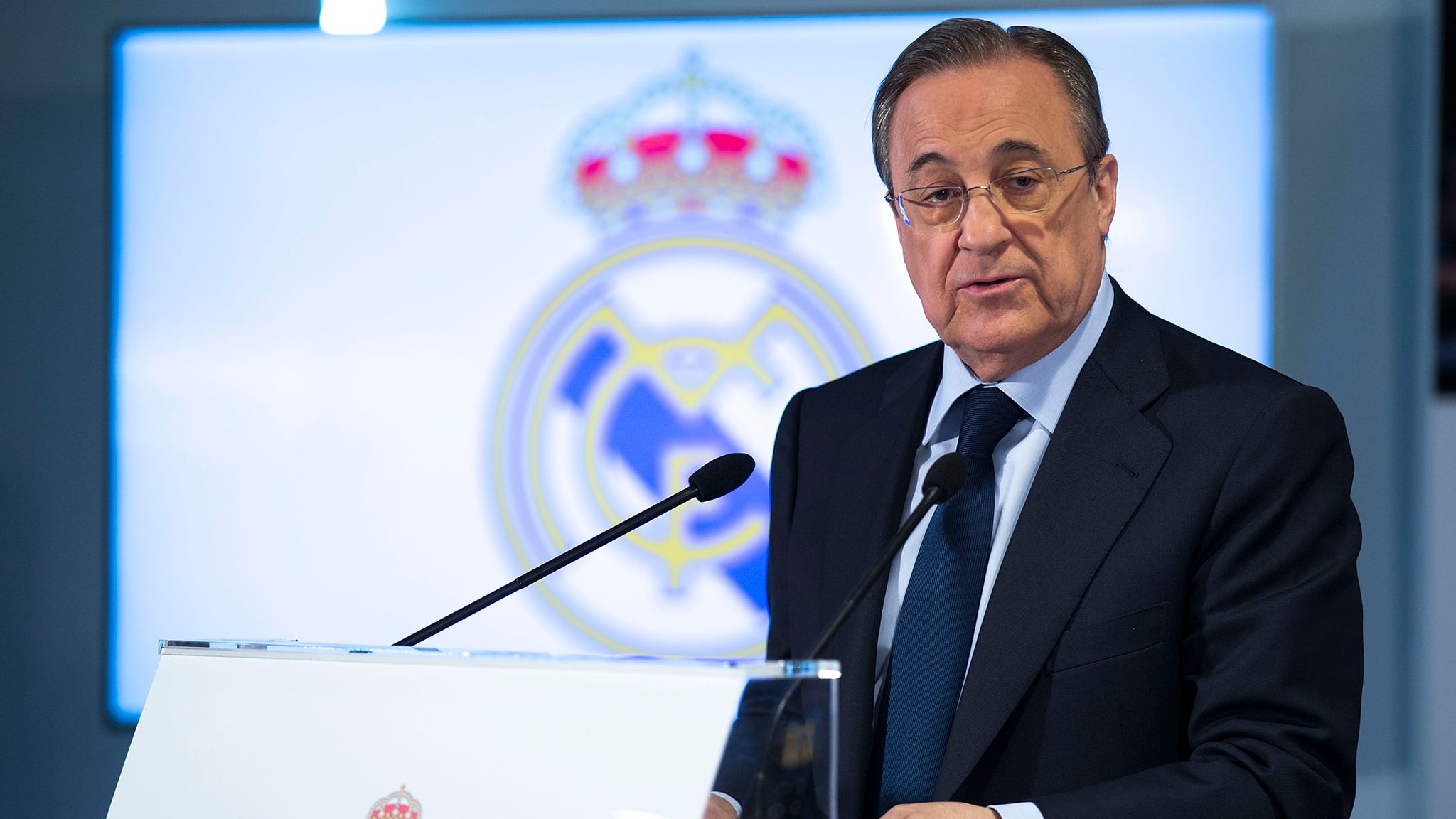
What are your thoughts on the current direction of the club under Florentino Pérez? Share your views in the comments below.
Related reading