
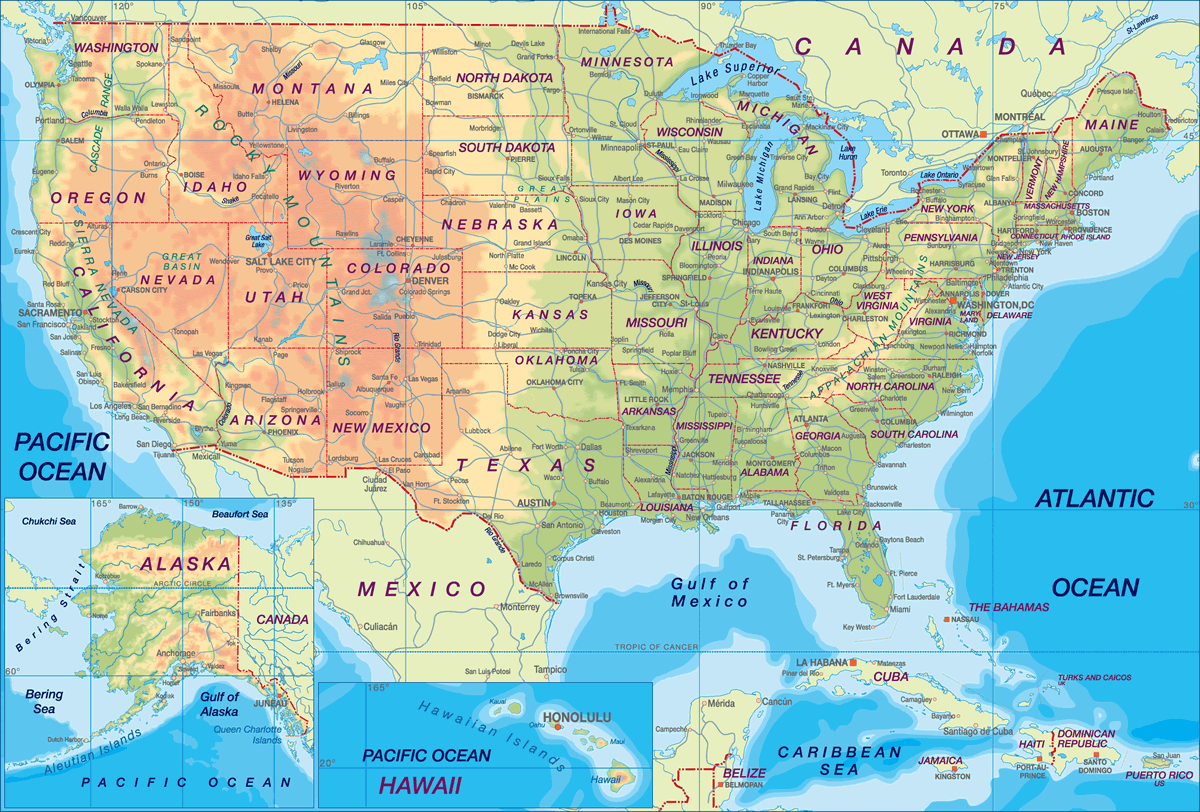
The geographic shift driving American home buyers toward warmer southern climates continues to accelerate, with recent housing data highlighting a definitive migration into the Sun Belt. According to residential relocation trends analyzed by platforms like Redfin and national real estate market analysts, affordability, lower taxes, and lifestyle changes shaped by the post-pandemic remote work era have permanently altered population maps across the United States. While coastal hubs in the Northeast and West Coast historically dominated moving preferences, metropolitan areas spanning Florida and neighboring southern states now command the lion’s share of inbound residential interest.
This domestic migration pattern reflects broader economic adjustments as households seek relief from high cost-of-living burdens. Real estate economists note that housing inventory constraints and elevated mortgage rates have forced prospective home buyers to cast wider geographic nets, prioritizing regions where square footage and overall quality of life align more favorably with household budgets. Sun Belt cities, characterized by expanding job markets and relatively robust new construction pipelines, have emerged as the primary beneficiaries of this nationwide search for stability.
The Sun Belt Dominance in Modern Housing Markets
The concentration of top relocation destinations within the Sun Belt is not a temporary anomaly, but rather the continuation of a multi-year demographic trend. Metropolitan statistical areas across Florida, Texas, and the broader South consistently rank highest in net migration metrics tracked by moving companies and postal address changes. Analysts point to state tax structures, business-friendly regulatory environments, and warmer year-round climates as primary catalysts drawing both young professionals and retirees southward.
Cities such as Tampa, Orlando, and Jacksonville in Florida have absorbed significant influxes of new residents relocating from high-density northern metros. Similar patterns unfold across Texas hubs like San Antonio and Houston, where diversified economies continue to generate employment opportunities outside traditional tech and finance sectors. Housing market researchers emphasize that these regions offer a balance of suburban space and urban amenities that appeal directly to buyers navigating flexible employment arrangements.
Economic Pressures and Housing Affordability
Affordability remains the central driver for apartment hunters and home buyers evaluating interstate moves. According to data compiled by housing market researchers, price-per-square-foot metrics in Sun Belt metros frequently underbid comparable properties in traditional economic powerhouses like New York, San Francisco, and Boston. Even as rapid population growth has driven up local home values and rental rates in southern cities over recent years, the comparative value proposition continues to attract out-of-state buyers.
At the same time, local housing markets face distinct infrastructure and supply challenges as a result of this sustained demand. Municipal planners across targeted southern destinations grapple with the need to expand public transit, upgrade water systems, and accelerate residential construction to prevent severe supply deficits. Real estate analysts advise prospective movers to monitor local zoning developments and property tax adjustments closely as municipalities work to accommodate incoming populations.
Next Steps for Prospective Home Buyers
For individuals and families planning a relocation, current real estate guidance emphasizes thorough preliminary research into local property tax codes, homeowners association (HOA) regulations, and regional climate resilience. Prospective movers can review updated housing inventory metrics and migration reports published by national real estate brokerages and economic research institutions to track shifting market conditions. Official municipal websites also provide critical data on local development plans and zoning rules ahead of any purchasing decisions.
We welcome your thoughts and experiences regarding interstate migration and housing trends. Please share your perspective in the comments below.
Worth a look