
Florida lawmakers have officially moved to address a significant healthcare gap, reaching a bipartisan agreement to restore access to essential HIV medications. The legislative action, signed into law by Governor Ron DeSantis on March 24, 2026, provides a critical financial bridge for thousands of residents who had been impacted by recent changes to the state’s AIDS Drug Assistance Program (ADAP) as confirmed by the AIDS Healthcare Foundation.
The emergency legislation, which received unanimous support in both chambers of the Florida Legislature, appropriates $30.9 million in bridge funding to sustain the program through June 30, 2026. This move reverses administrative cuts that had taken effect on March 1, 2026, which had previously restricted eligibility and removed certain medications from the state’s formulary. The restoration of these services marks a significant shift in the state’s approach to managing public health resources for individuals living with HIV.
Restoring Eligibility and Medication Access
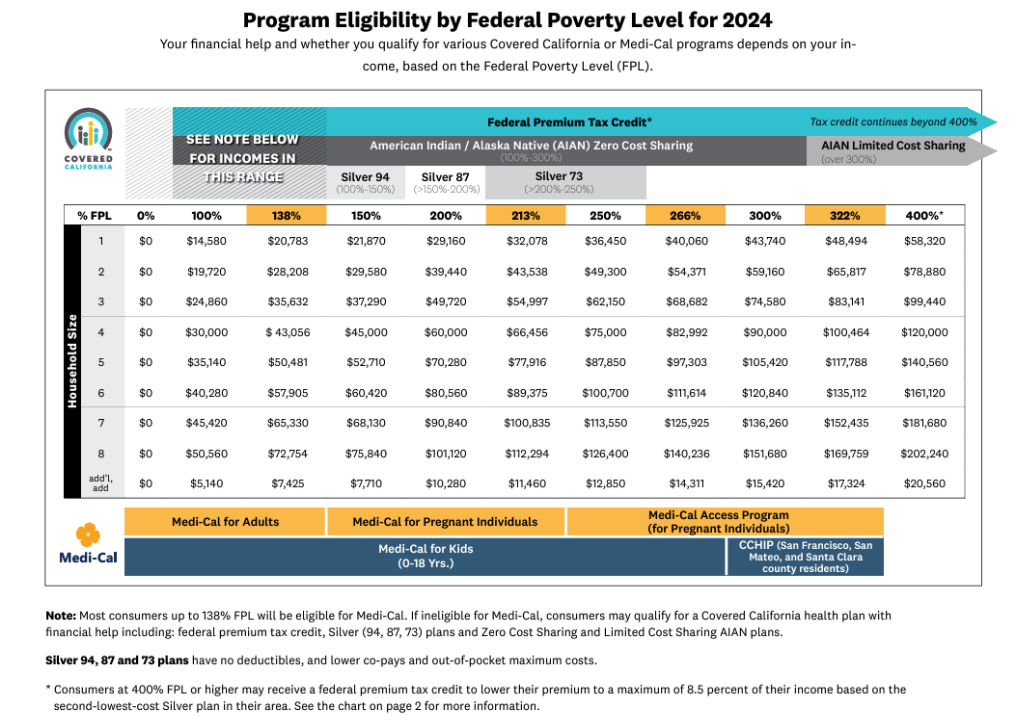
The primary focus of the new legislation is the reinstatement of income eligibility standards for the ADAP, which had been reduced from 400 percent of the Federal Poverty Level to 130 percent at the start of March 2026. By restoring the threshold to 400 percent, the state ensures that more than 12,000 Floridians who were previously impacted regain the ability to access life-saving treatments according to official reports on the bill’s provisions. In addition to eligibility, the bill addresses the availability of medications, specifically targeting the reinstatement of Biktarvy, which is widely utilized as a standard HIV treatment.
The legislative package also mandates increased oversight of the Florida Department of Health. Starting April 1, 2026, the department is required to submit detailed monthly financial reports to the Governor’s Office of Policy and Budget, the Senate Appropriations Committee, and the House Budget Committee. This reporting requirement is designed to provide legislative leadership with greater transparency regarding the program’s fiscal health and operational status.
Understanding the Impact of the ADAP Changes
For those navigating the complexities of chronic disease management, the uncertainty surrounding medication access during the ten-week period between the initial cuts and the emergency restoration proved to be a significant challenge. The restoration of health insurance premium assistance and the return of essential medications to the formulary are intended to stabilize the patient population and ensure continuity of care.

As noted by Esteban Wood, Director of Advocacy and Legislative Affairs at the AIDS Healthcare Foundation, the legislative resolution provides immediate relief for patients who were previously unsure about their ability to fill prescriptions. The $30.9 million appropriation serves as a temporary but vital lifeline, securing funding for the program until the end of the current state fiscal year on June 30, 2026 as documented in the bill’s legislative summary.
Future Outlook and Accountability
With the emergency funding in place, the immediate focus for the Florida Department of Health shifts to the direct distribution of medications to eligible individuals. The mandate for monthly financial reporting serves as a mechanism for the legislature to monitor the efficacy of the program and ensure that the funds are utilized as intended. This level of scrutiny follows the unanimous approval of the bill, reflecting a shared legislative commitment to maintaining access to HIV healthcare services across the state.

Stakeholders in the public health sector will be closely watching the outcomes of these reporting requirements as the June 30, 2026, deadline approaches. The legislative process has highlighted the importance of transparent financial management in state-run health programs and the necessity of maintaining consistent eligibility standards to protect patient health outcomes. As the state moves forward, the focus remains on ensuring that no further interruptions occur for those who rely on the program for their daily medical needs.
The next major milestone for the program will be the ongoing submission of financial reports to the legislative committees, which begins in April. For residents seeking the most current information regarding their eligibility or the status of the program, it is recommended to monitor official updates from the Florida Department of Health. We invite our readers to share their thoughts on this development in the comments section below.
Related reading