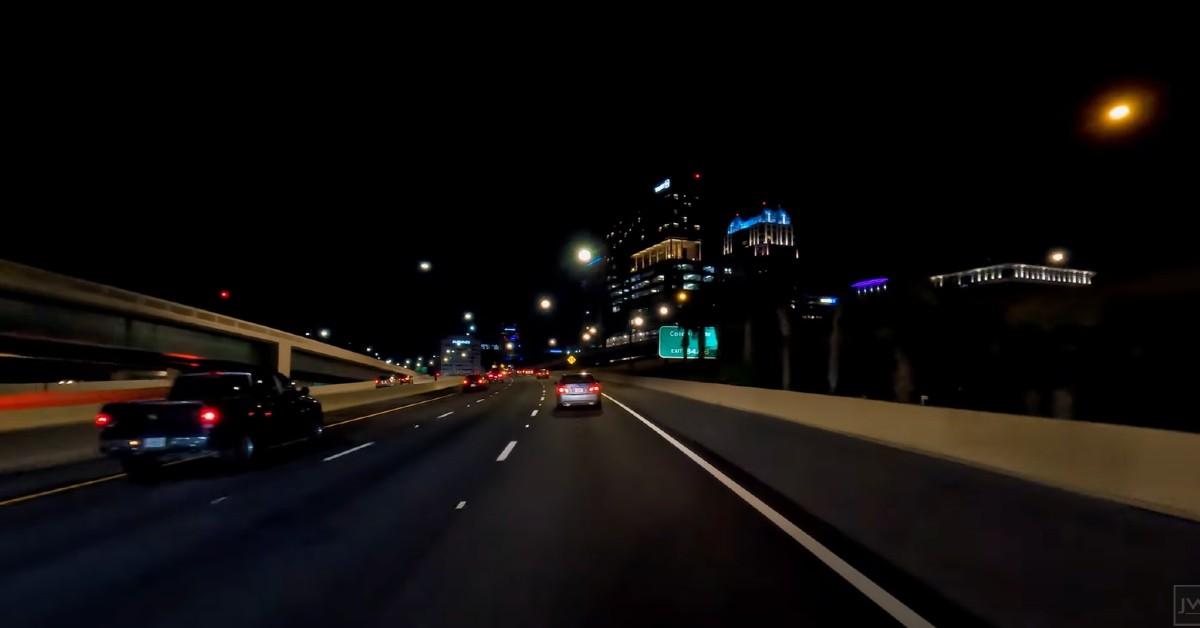
Driving at night in Florida presents a significantly higher risk of fatal accidents compared to almost any other state in the U.S., according to recent data analysis of national traffic safety records. While the state is a major hub for tourism and transit, nighttime conditions combined with high-speed traffic have created a persistent safety challenge for motorists, with federal and state authorities tracking a notable correlation between darkness, speed, and collision severity.
The statistical reality of Florida’s roads is underscored by the National Highway Traffic Safety Administration (NHTSA), which consistently monitors traffic fatalities across the country. According to the NHTSA’s most recent traffic safety projections, speed-related fatalities remain a leading cause of death on American highways. In Florida, the combination of high-density urban corridors and long, dimly lit stretches of rural interstate contributes to a risk profile that places the state near the top of national danger rankings for nocturnal driving.
Why Nighttime Driving Conditions in Florida Increase Risk
Visibility and driver behavior are the primary factors contributing to the elevated accident rates during evening hours. According to the Florida Department of Transportation (FDOT), nighttime driving significantly reduces the time a motorist has to react to road hazards, stalled vehicles, or debris. When speed is added to this equation, the outcome of any potential collision becomes exponentially more severe.

Speeding is defined by the NHTSA as exceeding the posted speed limit or driving too fast for conditions. In Florida, where traffic volume remains high even after sunset, the tendency for drivers to maintain daytime speeds during the night creates a dangerous environment. Research from the Insurance Institute for Highway Safety (IIHS) confirms that higher speeds result in greater kinetic energy during impact, which often leads to more fatal outcomes for both occupants and pedestrians.
Data Trends and Regional Safety Concerns
When analyzing road safety, experts look at the ratio of fatal accidents occurring in dark conditions versus daylight. Florida’s geography, which features vast stretches of flat, straight roads, can create a false sense of security for drivers. However, the Florida Department of Highway Safety and Motor Vehicles (FLHSMV) reports that these same characteristics often encourage excessive speeding, which becomes lethal when visibility is compromised by darkness.

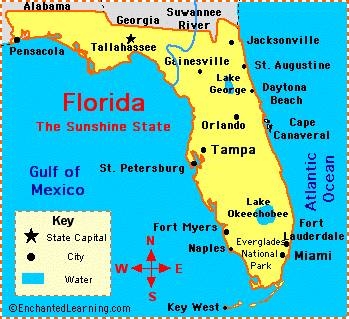
The impact of these trends is felt most acutely in the state’s major metropolitan areas, such as Miami-Dade, Broward, and Orange counties. These regions experience higher vehicle counts 24/7, leading to complex traffic patterns that require heightened driver alertness. According to the Centers for Disease Control and Prevention (CDC), the risk of a fatal crash is significantly higher for drivers who are fatigued or impaired, both of which are more common during late-night hours.
Practical Safety Measures for Florida Motorists
To mitigate the risks identified by traffic safety experts, the NHTSA provides specific guidance for driving after dark. These recommendations include ensuring that headlights are clean and properly aligned, reducing speed to allow for increased stopping distances, and strictly avoiding driving while drowsy or under the influence of alcohol or drugs.
The following table summarizes the core challenges and recommended defensive driving behaviors for Florida roads:
| Factor | Risk Element | Mitigation Strategy |
|---|---|---|
| Visibility | Reduced reaction time | Use high beams when appropriate and clean windshields |
| Speeding | Increased impact force | Adhere to posted limits, even on empty roads |
| Driver State | Fatigue/Impairment | Take frequent breaks; utilize rideshare if impaired |
What Happens Next for Road Safety Policy
The Florida legislature and the FDOT continue to evaluate infrastructure investments intended to improve nighttime safety. This includes the installation of more reflective road markings, upgraded LED street lighting in high-accident zones, and the implementation of intelligent transportation systems (ITS) that can alert drivers to congestion or hazards in real-time. According to the Florida Strategic Highway Safety Plan, these efforts are part of a broader “Target Zero” initiative, which aims to eliminate all traffic fatalities and serious injuries on the state’s roadways.
Public awareness campaigns also play a role in changing driver behavior. The FLHSMV frequently issues seasonal safety advisories, particularly during holidays and tourist-heavy periods, to remind residents and visitors alike of the dangers of speeding and impaired driving. Drivers are encouraged to check the Florida 511 (FL511) Advanced Traveler Information System for real-time updates on road conditions, incidents, and construction before starting a nighttime journey.
As state agencies continue to compile data for the next annual safety report, the focus remains on enforcement and engineering solutions to reverse the trend of fatal nighttime collisions. For more information on how to participate in local safety initiatives or to review current traffic ordinances, residents can visit their local county clerk’s office or the official website of the Florida Highway Patrol. Readers are invited to share their thoughts on road safety in the comments section below.
Keep reading