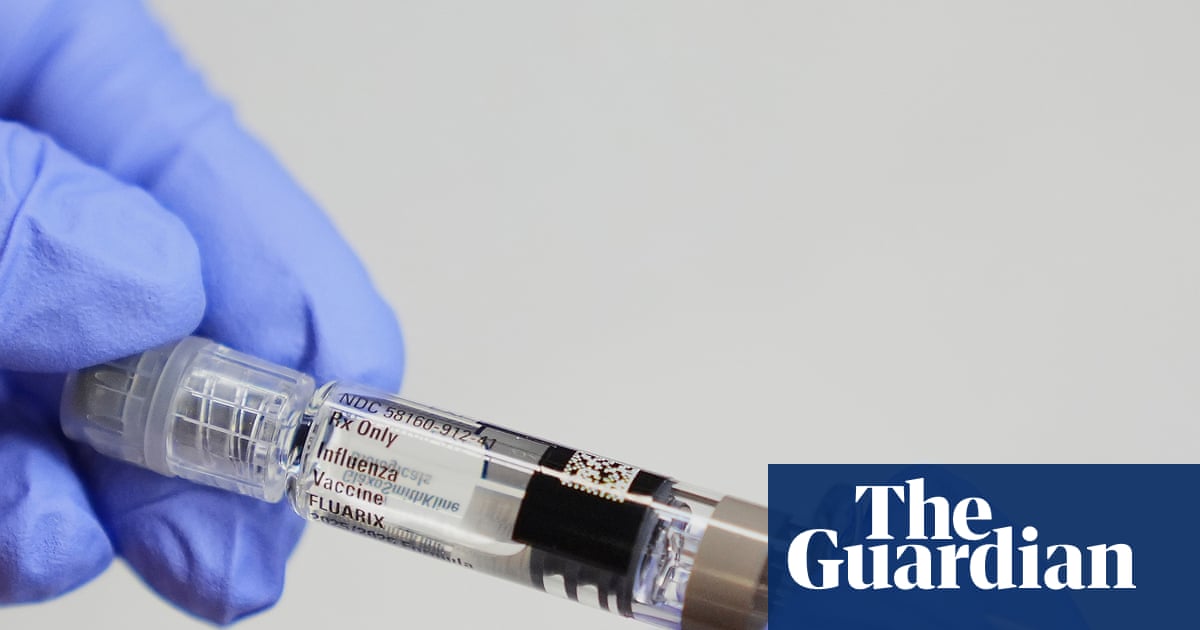
Rising Flu Cases & Vaccine Concerns: What You Need to Know This Season
The United States is currently experiencing a significant surge in influenza cases, prompting health experts to urge preventative measures. This year’s flu season is starting earlier and appears poised to be more severe than recent years, raising concerns about strain on healthcare systems. Here’s a breakdown of what’s happening, what you should do, and why the current situation is particularly worrying.
A concerning Uptick in Illness
As of december 20th, the CDC estimates 7.5 million Americans have contracted the flu, leading to 81,000 hospitalizations. That represents a 25% jump in cases from the previous week alone. Currently, 32 states are reporting “high or very high” levels of flu activity.
This follows the 2024-2025 flu season, which was the most severe since 2018. Tragically, that season saw 279 influenza-associated pediatric deaths – the highest number recorded during a seasonal epidemic. A large number of cases occurring simultaneously is particularly challenging for hospitals.
A New Variant in Circulation
Adding to the concern is the emergence of a new flu variant, known as subclade K. This variant is already driving “high or very high influenza activity” in Europe, where the season began earlier than usual. While the exact impact of this variant is still being studied, it’s contributing to the overall increase in cases.
Should You Get Vaccinated?
Absolutely. Experts, like Dr.jennifer Nuzzo, strongly recommend vaccination, especially for young children and older adults. Even if the current vaccine isn’t a perfect match for the new variant, it will likely still offer some protection.
Here’s what you need to consider:
* Vaccination is your best defense. It reduces your risk of getting sick and can lessen the severity of illness if you do contract the flu.
* Protection may be slightly reduced. Scientists are monitoring how well the current vaccine protects against subclade K, but some protection is better than none.
* Don’t delay. Getting vaccinated now can help build immunity before the season peaks.
Concerns About Vaccine uptake
Unfortunately, flu vaccine distribution is down this year. Approximately 130 million doses have been distributed as of early December, which is 13 million fewer than at the same point last year.This decrease coincides with the CDC’s decision, under the leadership of Robert F. Kennedy Jr., to cancel its public awareness campaign encouraging vaccination.
This decision is particularly troubling given the severity of last year’s flu season and the potential for a difficult season ahead.Dr.Nuzzo expressed her disbelief, stating it’s “incredulous” to enter a potentially bad flu season without a strong push for vaccination.
What Else Can You Do?
beyond vaccination, here are steps you can take to protect yourself and others:
* Consider at-home testing. If you experience flu-like symptoms, an at-home test can provide a speedy diagnosis.
* Seek treatment promptly. If you test positive, antiviral medications can be effective, but they need to be started soon after symptoms begin.
* Practice good hygiene. Wash your hands frequently, cover your coughs and sneezes, and avoid close contact with sick individuals.
* Stay home if you’re sick. This helps prevent the spread of the virus to others.
Staying Informed
You can find the latest details on flu activity and vaccination rates from these resources:
* CDC FluView: https://gis.cdc.gov/grasp/fluview/main.html
* CDC Influenza Activity: https://www.cdc.gov/flu/whats-new/2025-2026-influenza-activity.html
* CDC Vaccine Distribution Dashboard: [https://wwwcdcgov/fluvaxview[https://wwwcdcgov/fluvaxview[https://wwwcdcgov/fluvaxview[https://wwwcdcgov/fluvaxview