
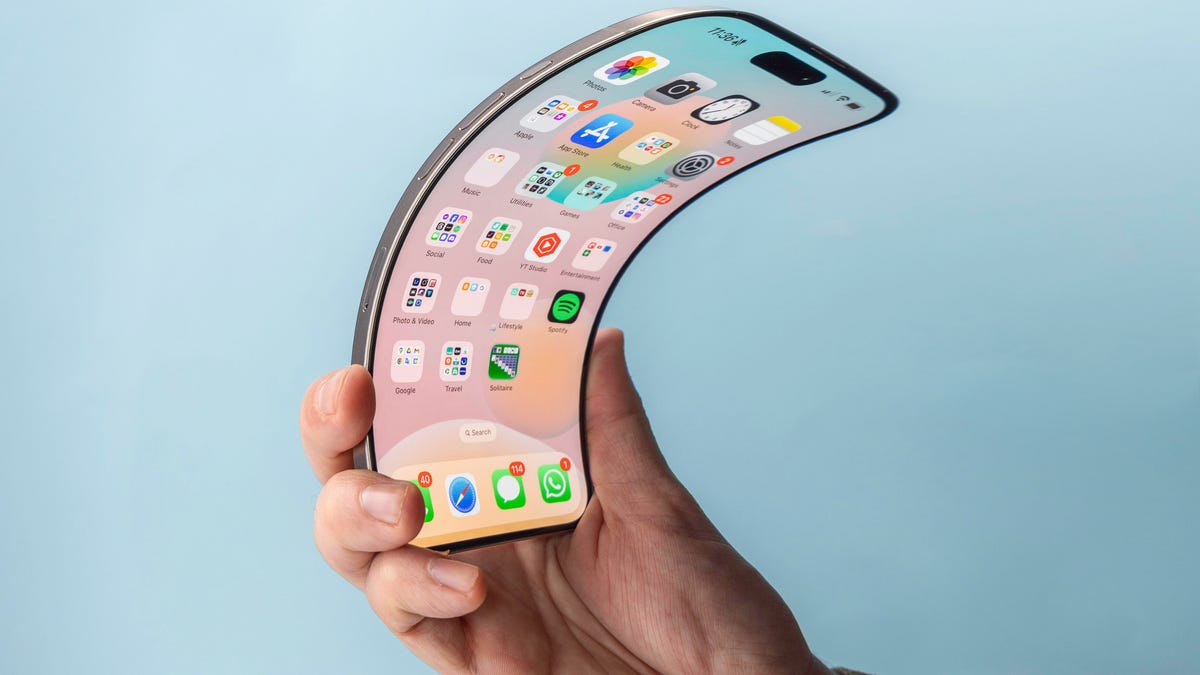
The Future of Mobile: Why Apple Needs to Disrupt with a foldable
For years,the smartphone world has felt…predictable. Incremental updates dominate, and genuine innovation feels increasingly rare. This stagnation is why the potential arrival of a foldable iPhone is so meaningful. It’s not just about a phone that bends; it’s about reigniting excitement and pushing the boundaries of what’s possible.
I’ve been following the mobile tech landscape for a long time, and I’ve observed a growing sense of fatigue among consumers. We’ve reached a point where “good enough” often prevails, and the “wow” factor is missing. A truly innovative Apple foldable could change all that.
The foldable Landscape: What’s Out There Now?
Currently, Samsung dominates the foldable market with it’s Galaxy Z Fold and Z Flip lines.Other manufacturers, like Motorola and Google, have also entered the fray. Though, these devices, while impressive, haven’t yet achieved mainstream appeal.
Here’s a breakdown of what’s currently available:
* Samsung Galaxy Z Fold: A book-like design, offering a tablet-sized screen when unfolded.
* Samsung Galaxy Z Flip: A clamshell design,folding down to a compact size.
* Motorola Razr: Another clamshell option, reminiscent of the iconic original razr.
* Google pixel Fold: Google’s entry, aiming to blend software optimization with foldable hardware.
These phones demonstrate the potential of the form factor, but they also highlight the challenges. durability, software optimization, and price remain significant hurdles.
Why Apple’s Entry Matters
Apple doesn’t typically lead the charge on first iterations of new technology. Instead, it excels at refining and perfecting existing concepts. This approach has served them well, delivering polished, user-friendly experiences.
I believe Apple will bring several key advantages to the foldable market:
* Software Ecosystem: Apple’s tight integration of hardware and software is a major strength. Expect seamless multitasking and app optimization for the foldable form factor.
* Developer Support: Apple’s strong relationships with developers will ensure a robust app ecosystem tailored for foldable devices.
* Material Science & Engineering: Apple’s expertise in materials and engineering could lead to a more durable and refined foldable design.
* User Experience Focus: Apple prioritizes simplicity and ease of use. A foldable iPhone will likely offer a more intuitive experience than current options.
Beyond Just Folding: What We Need to See
A accomplished Apple foldable can’t simply be an iPhone that bends. It needs to offer genuinely new and compelling use cases. Here are a few areas where Apple could truly innovate:
* Adaptive User interface: the software should intelligently adapt to the folded and unfolded states, offering a seamless transition between modes.
* Enhanced Multitasking: Foldable devices are ideal for multitasking. Apple should leverage this with innovative features and intuitive controls.
* New App Experiences: Developers need to create apps specifically designed for the foldable form factor, unlocking its full potential.
* Durability Improvements: Addressing concerns about screen crease and overall durability is crucial for mainstream adoption.
The Call for innovation
Frankly, I’m tired of incremental upgrades. I want to be excited about technology again. I want a device that inspires me and changes the way I interact with the world.
I’m hopeful that Apple recognizes this need and delivers a foldable iPhone that isn’t just another phone,but a true leap forward. it’s time for Apple to remind us why it’s a leader in innovation. The future of mobile depends on it.





