The Ville de Paris has officially detailed its ongoing professional development framework, anchored by the Prix Savoir-faire en transmission, a municipal initiative designed to safeguard and foster exceptional craftsmanship across the French capital, according to municipal records published on Paris.fr (Paris.fr). Created to support young professionals, recent graduates, and career changers, the program provides financial backing and intensive hands-on immersion within traditional craft workshops.
Administered in partnership with several institutional and corporate benefactors—including the Fondation Signature, the Fondation Rémy Cointreau, the Fondation Michelle et Antoine Riboud, le 19M, l’Alliance du Lin et du Chanvre européens, and the Comité Colbert—the initiative awards grants (BDMMA, Paris.fr). These dedicated funds enable selected candidates to undertake a full-time, one-year practical training placement inside an established artisan workshop.
Operating across multiple disciplines, the scheme focuses heavily on the preservation of heritage skills. According to program disclosures, the awards target vital sectors including fashion, performing arts crafts, and musical instrument making, encompassing highly specialized roles such as tailors, dressmakers, couture specialists, milliners, embroiderers, feather artisans, and costumiers.
Structure and Institutional Partnerships
The Prix Savoir-faire en transmission functions as a professional integration mechanism bridging formal education and commercial artistry. As detailed by municipal documentation on Paris.fr, the city collaborates with specialized partners to underwrite these rigorous apprenticeships (Paris.fr). Among the contributors, the Fondation Rémy Cointreau funds distinct tracks that allow candidates to bridge regional techniques by training either between Paris and Nouvelle-Aquitaine, while the Fondation Michelle et Antoine Riboud and the Chanel-backed hub le 19M support concurrent cohorts (BDMMA).
Financial backing from the Fondation Signature specifically bolsters trades linked directly to couture ateliers—such as textile ennoblers, lace-makers, and weavers—honoring a mandate to preserve manual excellence (Paris.fr).
Application Guidelines and Selection Criteria
Applicants are evaluated through competitive dossier submissions reviewed by municipal commissions and partner representatives. Candidates do not strictly require a university degree, opening doors for self-taught practitioners and adult career transitioners aiming to embed themselves within luxury and heritage manufacturing environments.
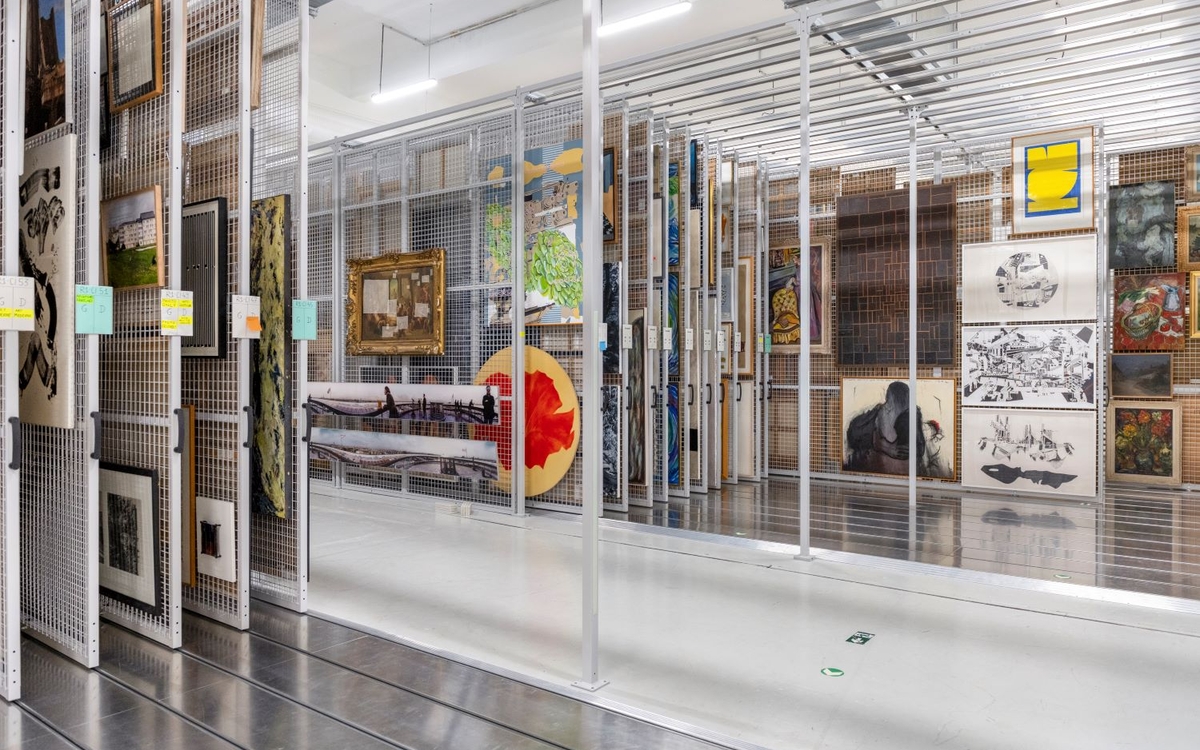
Selected apprentices work full-time alongside master craftspeople, absorbing tacit knowledge that cannot be replicated in traditional classroom settings. Recent cohorts include figures such as Rafaël Yeung, recognized as a 2026 laureate in the fashion and textile division while completing his training placement at Valette Studio.
Broader Municipal Support for Parisian Creation
The transmission awards operate alongside other major municipal distinctions, including the Grands Prix de la Création de la Ville de Paris, established in 1993 to reward pioneering talent in fashion, design, and crafts (Paris.fr). Together, these initiatives form a comprehensive cultural policy managed by the City of Paris to sustain the local creative economy.
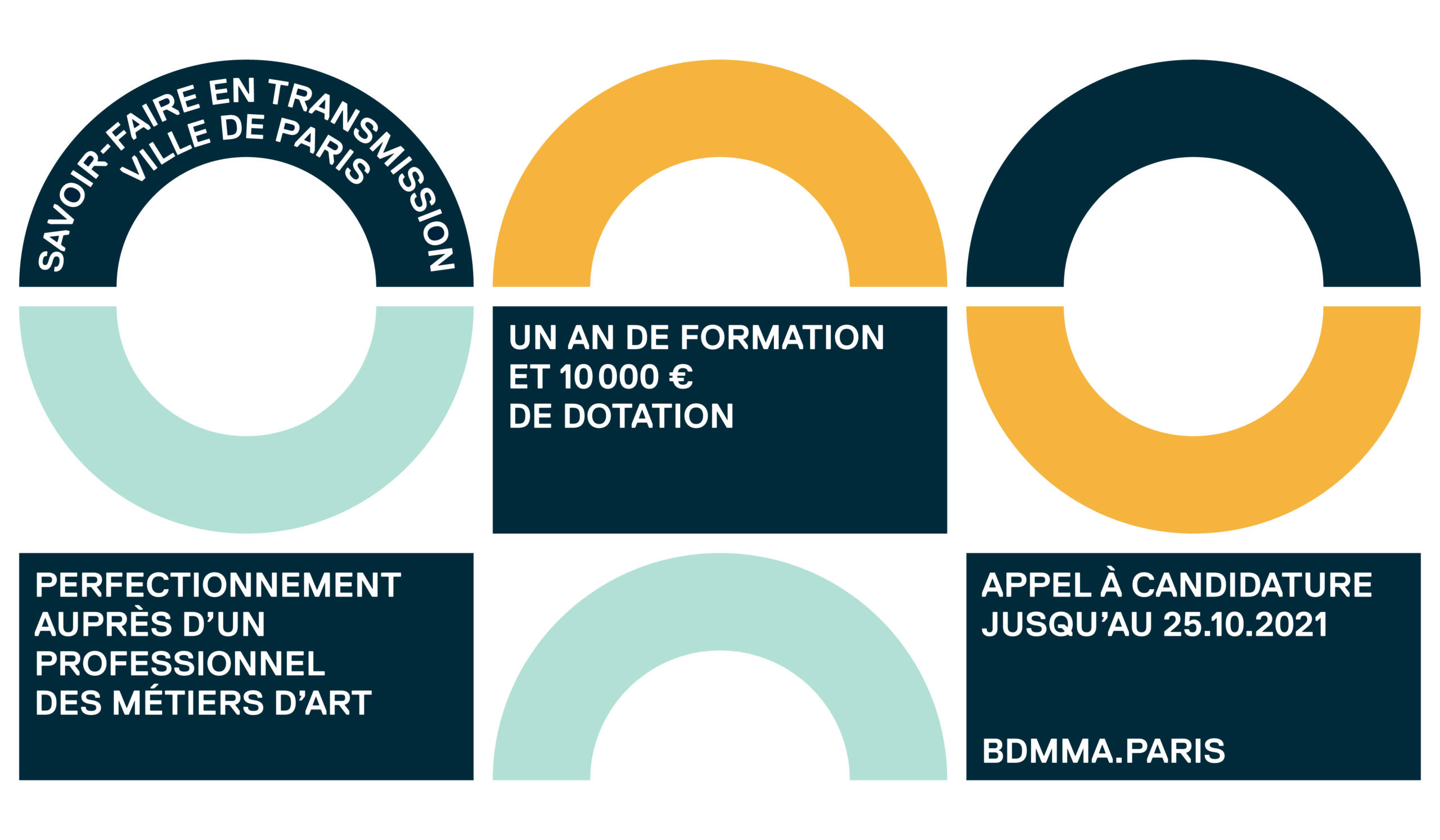
Candidates seeking detailed submission calendars, eligibility parameters, or future application windows can consult official updates published periodically through the Directorate of Cultural Affairs via the Paris.fr Municipal portal.
Keep reading