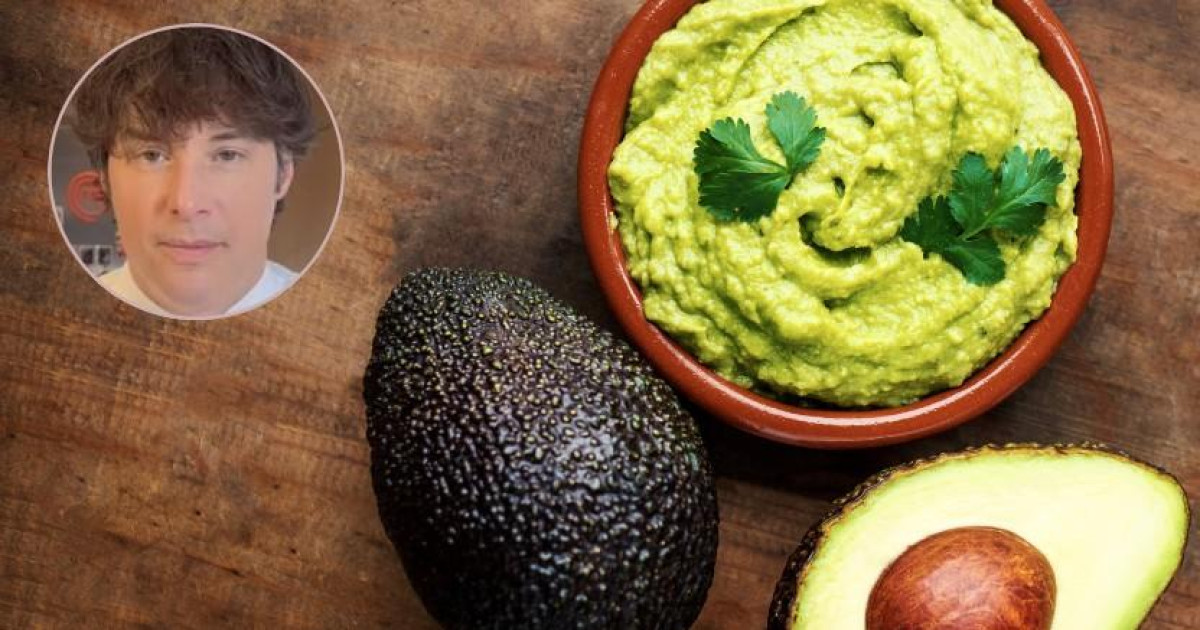
To prevent guacamole from oxidizing and turning brown, chef Jordi Cruz recommends ensuring that the surface of the dip is completely sealed from exposure to oxygen, typically by using an airtight barrier such as plastic wrap pressed directly against the surface. This method prevents polyphenol oxidase, an enzyme found in avocados, from reacting with oxygen in the air, which is the primary cause of enzymatic browning.
For many home cooks, the rapid discoloration of avocado-based dishes remains a persistent frustration. While the change in color can be visually unappealing, it is primarily a chemical reaction rather than a sign of spoilage. Spanish Michelin-starred chef Jordi Cruz has highlighted specific techniques to maintain the vibrant green hue of guacamole, focusing on the fundamental necessity of oxygen exclusion to preserve both aesthetics and texture.
Understanding the mechanics of avocado preservation requires a look at the biochemical processes occurring within the fruit. By applying the principles of food science, cooks can extend the shelf life of fresh guacamole and maintain its nutritional integrity.
What is Jordi Cruz’s method for preventing guacamole oxidation?
Chef Jordi Cruz emphasizes the importance of creating a physical barrier between the guacamole and the atmosphere. The most effective way to achieve this is by placing plastic wrap directly onto the surface of the dip. Unlike simply covering a bowl with a lid, which leaves a pocket of air inside, pressing the wrap into the mixture ensures that no oxygen molecules can reach the avocado flesh.
This technique addresses the core issue of enzymatic browning. When the cells of an avocado are broken down during mashing, they release enzymes that, upon contact with oxygen, trigger a chemical change. By eliminating that contact, the browning process is significantly delayed. Cruz’s approach aligns with professional culinary standards used in high-end kitchens to prepare ingredients for service.
While many people rely on the “avocado pit” method—leaving the stone in the bowl—scientific consensus suggests this is largely ineffective. The pit does not actually prevent oxidation; it merely protects the small area of fruit directly beneath it. For total coverage, a surface-level seal is required.
The science behind avocado browning: Why does it happen?
The browning of avocados is a process known as enzymatic browning. This occurs when the enzyme polyphenol oxidase (PPO) reacts with oxygen. In the presence of air, PPO catalyzes the oxidation of phenolic compounds present in the avocado, transforming them into quinones. These quinones then polymerize to form melanin, the same dark pigment responsible for the color of human skin and many other fruits.
This reaction is not just a cosmetic issue. While the brown color itself is not inherently toxic, the oxidation process can alter the flavor profile of the guacamole, sometimes introducing a slightly bitter or “off” taste. From a nutritional standpoint, excessive oxidation can lead to a degradation of certain sensitive antioxidants within the fruit.
The speed of this reaction is influenced by several environmental factors:
- Oxygen Availability: The more air contact, the faster the browning.
- Temperature: Higher temperatures generally accelerate enzymatic activity.
- pH Levels: Enzymes are highly sensitive to acidity; lowering the pH can inhibit their function.
- Cellular Damage: The more the avocado is mashed or bruised, the more enzymes and substrates are released to react.
Comparing preservation methods: Acid, oil, and airtight seals
While Jordi Cruz’s method of oxygen exclusion is highly effective, several other techniques are frequently used in both domestic and professional settings. Each method targets a different aspect of the oxidation process.
| Method | Mechanism of Action | Effectiveness |
|---|---|---|
| Airtight Seal (Plastic Wrap) | Physical barrier to exclude oxygen. | High; most reliable for preventing contact. |
| Acidification (Lime/Lemon Juice) | Lowers pH to inhibit PPO enzyme activity. | Moderate; also adds flavor but may change texture. |
| Oil Layer (Olive Oil) | Creates a lipid barrier to block air. | Moderate; prevents air contact but adds fat content. |
| Water Submersion | Completely isolates fruit from air. | Low/Risky; can lead to texture degradation and dilution. |
Acidification remains a popular choice because it serves a dual purpose: it slows the enzyme and provides the essential tangy flavor profile expected in guacamole. Ascorbic acid, found in citrus fruits, is a potent antioxidant that can also help reduce quinones back to colorless phenols, effectively “reversing” early stages of browning.
Using a layer of olive oil can act as a secondary barrier, particularly useful if a plastic wrap seal is not perfectly applied. However, for the most robust protection, combining an acidic component (like lime juice) with a physical seal (like the Cruz method) provides the most comprehensive defense against oxidation.
Nutritional benefits: Why preserving avocado quality matters
The effort to prevent browning is not merely about aesthetics; it is also about preserving the nutritional density of the food. Avocados are a highly regarded component of healthy diets due to their unique nutrient profile. They are a significant source of monounsaturated fats, specifically oleic acid, which is linked to various health benefits, including reduced inflammation.
Furthermore, avocados provide a wide variety of essential nutrients, including:
- Potassium: Essential for maintaining healthy blood pressure levels and supporting nerve function.
- Vitamin K: Vital for bone health and blood clotting.
- Folate (Vitamin B9): Important for DNA repair and cell division.
- Vitamin C and E: Key antioxidants that support immune function and skin health.
- Dietary Fiber: Supports digestive health and helps regulate blood sugar levels.
When an avocado undergoes significant oxidation, the delicate balance of these nutrients can be affected. While the primary concern with browning is the visual change, maintaining the freshness of the fruit ensures that the consumer receives the maximum benefit from its healthy fat and micronutrient content.
Frequently Asked Questions
Is brown guacamole safe to eat?
Generally, yes. If the browning is purely due to oxidation and the guacamole smells and tastes normal, it is safe to consume. However, if you notice a fermented smell, mold, or an unusual texture, the food has likely spoiled and should be discarded.
Does adding onion help prevent browning?
While onions add flavor, they do not provide a significant chemical barrier against oxidation. The primary factor remains the exclusion of air or the addition of an acid like lime juice.
Should I store guacamole in the refrigerator?
Yes. Refrigeration slows down the chemical reactions and enzymatic activity, helping to preserve the guacamole for a longer period compared to room temperature storage.
Can I freeze guacamole?
You can freeze guacamole, but the texture will change significantly upon thawing due to the breakdown of cell walls. It is often better suited for use in smoothies or cooked dishes rather than as a fresh dip after freezing.
As food science continues to evolve, the methods for preserving fresh produce become more accessible to home cooks. For those interested in more professional culinary techniques and food safety standards, monitoring updates from culinary institutes and food health organizations is recommended.
What are your preferred methods for keeping your avocados fresh? Share your tips in the comments below and share this article with fellow food enthusiasts.