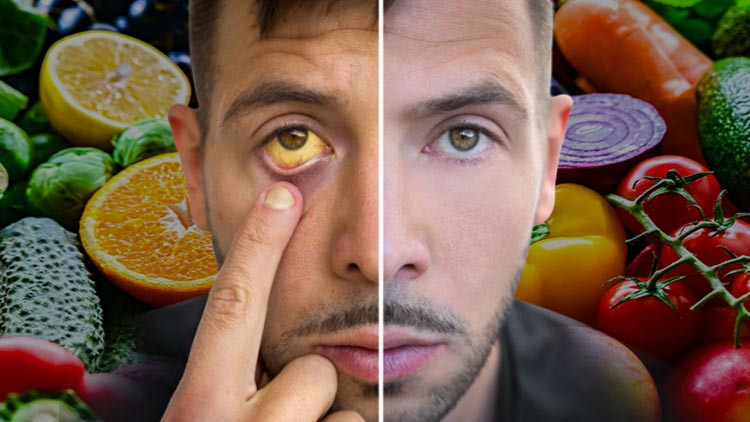
“`html
How Diet Impacts Skin Color: A Guide to Carotenemia and Beyond
Have you ever wondered if what you eat can actually change the color of your skin? The answer is yes, though the effects are usually harmless and often temporary. Certain foods, rich in specific pigments, can subtly alter your complexion. This article explores the connection between diet and skin color, focusing on conditions like carotenemia and lycopenemia, and how to maintain a balanced diet for optimal skin health. Published: 2026/01/21 17:18:27
Understanding Skin Pigments and Diet
Our skin color is primarily determined by melanin, a pigment produced by melanocytes. Though, othre pigments from our diet can also contribute to skin tone. These dietary pigments, like carotenoids and lycopene, are responsible for the vibrant colors in many fruits and vegetables. When consumed in excess, these pigments can deposit in the skin, leading to noticeable, though generally benign, changes in color.
Carotenemia: The Orange Hue
Carotenemia is a condition characterized by an orange discoloration of the skin, caused by high levels of carotenoids in the blood. carotenoids are fat-soluble pigments found in orange, yellow, and green leafy vegetables and fruits. Foods particularly associated with carotenemia include carrots, sweet potatoes, pumpkins, and squash.
While often alarming, carotenemia is typically harmless.It’s most noticeable in areas with thicker skin, such as the palms of the hands, soles of the feet, and around the nose. It’s different from jaundice, which causes yellowing of the whites of the eyes – carotenemia does not effect the sclera. mount Sinai explains that it’s usually a sign of excessive intake, not an underlying medical problem.
Causes and Prevention of Carotenemia
- Excessive Intake: The primary cause is consuming large quantities of carotenoid-rich foods over a prolonged period.
- Infants and Young Children: Babies and young children are more susceptible due to their smaller body size and tendency to eat pureed vegetables.
- Prevention: moderation is key. Enjoy a variety of colorful fruits and vegetables as part of a balanced diet, but avoid excessive consumption of any single carotenoid-rich food.
Lycopenemia: The Reddish Tint
Lycopenemia is similar to carotenemia, but it results in a reddish or orange-red discoloration of the skin. This is caused by high levels of lycopene, a carotenoid found abundantly in tomatoes and tomato products. lycopene is also a powerful antioxidant, and moderate consumption is linked to several health benefits.
Like carotenemia, lycopenemia is generally harmless and resolves with a reduction in lycopene intake. It’s often observed in infants fed large amounts of tomato juice or sauce.
Managing Lycopenemia
- Reduce Tomato Intake: the most effective way to manage lycopenemia is to reduce the consumption of tomatoes and tomato-based products.
- Balanced Diet: Ensure a diverse diet with a variety of fruits and vegetables to avoid overconsumption of any single pigment source.
Is a Colorful Diet Good for Your Skin?
Despite the potential for temporary skin discoloration, a diet rich in colorful fruits and vegetables is overwhelmingly beneficial for skin health. these foods are packed with vitamins,minerals,and antioxidants that protect the skin from damage,promote collagen production,and contribute to a healthy,radiant complexion. The American Academy of dermatology emphasizes the importance
Worth a look