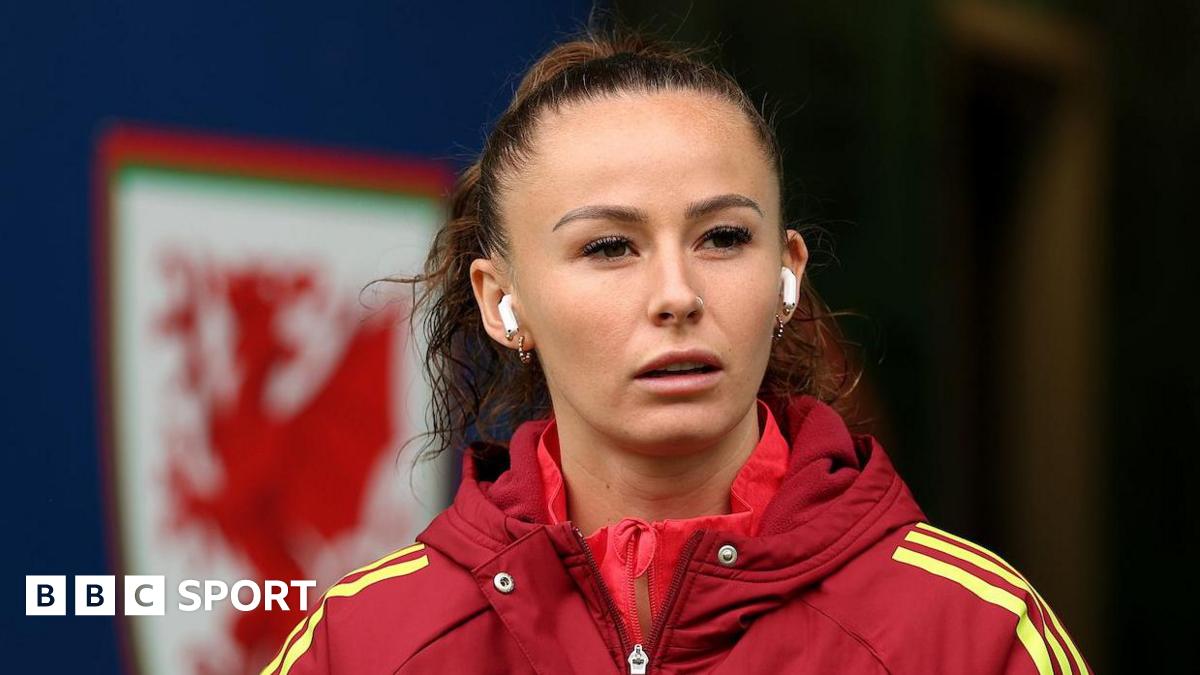
Hannah Cain Speaks Out: The Rising Tide of Abuse Faced by Footballers
The relentless barrage of online abuse directed at athletes is taking a significant toll on their mental health, a reality powerfully highlighted by Welsh international footballer Hannah Cain. Speaking recently, Cain revealed the deeply unsettling experience of receiving abusive messages after matches, regardless of her performance on the pitch. This disturbing trend underscores a growing concern within the sporting world – the vulnerability of athletes to unchecked online harassment and its damaging psychological consequences. The issue of online abuse in football, and sport more broadly, is gaining increasing attention, prompting calls for greater accountability from social media platforms and more robust protections for players.
Cain’s experience isn’t isolated. A growing number of athletes across various disciplines are coming forward to share their stories of online harassment, revealing a pattern of targeted abuse that extends beyond simple criticism. The anonymity afforded by the internet often emboldens individuals to engage in behavior they would likely avoid in face-to-face interactions, creating a toxic environment for those in the public eye. What we have is particularly concerning given the increasing prominence of social media in athletes’ lives, both as a means of connecting with fans and as a platform for personal expression. The constant exposure to negativity can erode self-esteem, increase anxiety, and even lead to depression, impacting not only an athlete’s performance but also their overall well-being.
The issue extends beyond the athletes themselves, impacting their families and loved ones who are also often subjected to online vitriol. Cain emphasized this point, stating that footballers are “actual humans” and that abuse doesn’t remain confined to the digital realm. This broader impact highlights the need for a more holistic approach to addressing online abuse, one that recognizes the interconnectedness of an athlete’s personal and professional life. The psychological strain can be immense, forcing athletes to grapple with the emotional fallout of online attacks while simultaneously maintaining the demands of their careers.
The Impact of Unrelenting Criticism
Cain’s account reveals a disturbing pattern: abuse directed at players irrespective of their performance. As she explained, the negativity persisted “no matter what I did on the pitch,” leading to a sense of helplessness and questioning of her own abilities. This is a particularly insidious aspect of online abuse, as it undermines an athlete’s confidence and can create a self-fulfilling prophecy of doubt. The constant scrutiny and judgment can be paralyzing, hindering their ability to perform at their best and enjoy the sport they love. The psychological toll can be particularly acute for young athletes who are still developing their sense of self and their resilience to criticism.
The feeling of being constantly judged and attacked can lead to a cycle of negative self-talk, where athletes internalize the criticisms leveled against them. This can manifest in various ways, including anxiety, depression, and eating disorders. The pressure to maintain a perfect image and meet unrealistic expectations can be overwhelming, particularly in the age of social media where every move is scrutinized, and dissected. The fear of making a mistake or failing to live up to expectations can be debilitating, leading to a loss of passion for the game and a decline in performance.
Cain’s willingness to speak out is a courageous step towards raising awareness about this critical issue. She recognizes that silence only perpetuates the problem and that by sharing her experience, she can encourage others to do the same. Her hope is to spark a conversation about the need for greater accountability and to empower individuals to challenge online abuse. The act of speaking out can be incredibly cathartic for athletes who have been suffering in silence, allowing them to reclaim their voice and take control of their narrative.
Social Media Platforms and the Responsibility to Protect
A key aspect of addressing online abuse lies in holding social media platforms accountable for the content hosted on their sites. While platforms have implemented some measures to combat harassment, many argue that these efforts are insufficient. Often, abusive content remains online for extended periods, and the process of reporting and removing it can be cumbersome and ineffective. The algorithms that govern these platforms can also inadvertently amplify harmful content, exposing it to a wider audience.
There is growing pressure on social media companies to invest in more sophisticated tools and strategies for detecting and removing abusive content. This includes utilizing artificial intelligence and machine learning to identify patterns of harassment and proactively remove offending posts. Platforms need to streamline the reporting process and ensure that complaints are addressed promptly and effectively. Transparency is also crucial, with platforms needing to be more open about their policies and procedures for handling online abuse.
The UK government has been at the forefront of efforts to regulate social media platforms and hold them accountable for the content they host. In February 2024, the Online Safety Act came into force, placing a legal duty on platforms to protect users from harmful content, including online abuse. The Act gives Ofcom, the UK’s communications regulator, the power to fine companies up to £18 million or 10% of their annual turnover if they fail to comply. This legislation represents a significant step forward in the fight against online abuse, but its effectiveness will depend on robust enforcement and ongoing monitoring.
Beyond Regulation: Fostering a Culture of Respect
While regulation is essential, it is not a panacea. Addressing online abuse requires a broader cultural shift towards greater respect and empathy. This includes educating individuals about the impact of their online behavior and promoting responsible social media usage. Schools, sports organizations, and community groups all have a role to play in fostering a culture of online civility.
Athletes themselves can also be powerful advocates for change. By speaking out against abuse and using their platforms to promote positive messages, they can inspire others to do the same. Cain’s decision to use her voice is a testament to the power of athletes to effect change. Her hope that her actions will encourage others to “think before they write something” is a powerful message that resonates far beyond the world of football.
The issue of online abuse is not limited to professional athletes. Individuals from all walks of life are vulnerable to online harassment, and the consequences can be devastating. Creating a safer online environment requires a collective effort, with individuals, platforms, and governments all working together to address this pervasive problem.
The Mental Health Imperative
Hannah Cain’s story serves as a stark reminder of the profound impact that online abuse can have on mental health. The constant exposure to negativity, criticism, and harassment can erode self-esteem, increase anxiety, and lead to depression. It is crucial that athletes have access to mental health support and resources to help them cope with the challenges of online abuse.
Sports organizations have a responsibility to provide their athletes with comprehensive mental health care, including access to therapists, counselors, and support groups. This care should be proactive, rather than reactive, with athletes receiving regular check-ins and support to help them maintain their mental well-being. Creating a safe and supportive environment where athletes perceive comfortable discussing their mental health challenges is essential.
it is key to destigmatize mental health issues within the sporting world. Athletes often feel pressure to project an image of strength and resilience, which can make it difficult for them to seek help when they are struggling. By openly discussing mental health and challenging traditional notions of masculinity, People can create a more accepting and supportive environment for athletes.
Cain’s experience highlights the need for a more nuanced understanding of the pressures faced by athletes in the digital age. The constant scrutiny and judgment can be overwhelming, and it is essential that we prioritize their mental health and well-being.
Key Takeaways:
- Online abuse is a pervasive problem affecting athletes across all sports.
- The psychological impact of online harassment can be severe, leading to anxiety, depression, and eating disorders.
- Social media platforms have a responsibility to protect users from harmful content and hold perpetrators accountable.
- Addressing online abuse requires a cultural shift towards greater respect and empathy.
- Athletes need access to comprehensive mental health support and resources.
As Hannah Cain continues to advocate for change, her story serves as a powerful call to action. The fight against online abuse is far from over, but by raising awareness, demanding accountability, and fostering a culture of respect, we can create a safer and more supportive online environment for athletes and all individuals. The next step will be to see how effectively the Online Safety Act is implemented and enforced, and whether it will truly make a difference in protecting athletes from the harmful effects of online abuse. Share your thoughts and experiences in the comments below.
Keep reading
- Alexandra Eala Makes History: First Filipino to Win WTA Singles Title After Defeating Jessica Pegula
- Mohamed Henedy Cancels “Al-Gawahirgy” Premiere Following Brother’s Death
- California Top-Two Primaries: Strategic Impact on Congressional Races (world-today-news.com)
- Phil Collins Reveals Near-Fatal Organ Failure After Years of Alcohol Abuse (time.news)