
Former footballer Ashley Cain has publicly admitted to using misogynistic language in past social media posts, calling the behavior “not proud” in a statement that has sparked renewed scrutiny of his career and public persona. The revelation comes as Cain, best known for his football career and later as a reality TV personality, faces growing pressure over comments that resurfaced online. While he has not denied the allegations, his apology—delivered through a spokesperson—marks a rare moment of accountability in an industry often criticized for its handling of gender-based language in digital spaces.
Cain’s admission follows weeks of mounting criticism after screenshots of his old social media posts emerged, showing language that some have described as degrading toward women. The controversy has reignited debates about the accountability of public figures, particularly those who transition from sports to entertainment. Experts in media ethics say Cain’s response, while acknowledged as an apology, may not fully address the broader implications for his brand and future opportunities.
This article examines the timeline of events, the nature of the comments, Cain’s public response, and the potential fallout for his career—both in football and his reality TV ventures. It also explores how this controversy fits into a larger pattern of social media accountability for celebrities.
@AshleyCain has not responded to requests for comment regarding the resurfaced posts.
What Did Ashley Cain Say, and Why Is It Controversial?
Cain’s apology, delivered through a statement to UK media outlets, acknowledged that his past social media posts contained language he now regrets. According to BBC News, the spokesperson said: “Ashley Cain is not proud of the language he used in the past and has acknowledged that it was inappropriate. He has taken steps to reflect on his words and understands the impact they can have.”
The controversy stems from screenshots of Cain’s old Twitter and Instagram posts, shared widely online in recent weeks. While the exact language has not been publicly repeated by Cain, reports indicate the comments included derogatory terms aimed at women, some of which align with broader patterns of misogynistic rhetoric in online spaces. The posts date back several years, during Cain’s early career as a footballer.
What makes this case notable is Cain’s dual identity as both a former athlete and a reality TV star. His transition from football to entertainment—particularly through shows like Love Island—has positioned him as a public figure whose personal conduct is scrutinized more intensely. Media analysts suggest that while athletes have historically faced fewer consequences for off-field behavior, the rise of social media has changed the calculus, forcing figures like Cain to confront the lasting impact of their words.
How Did Ashley Cain Respond, and What Did He Say?
Cain’s apology, while framed as a step toward accountability, has been met with mixed reactions. Unlike some celebrities who issue vague statements, Cain’s spokesperson explicitly used the phrase “not proud,” a term that has been adopted by other public figures facing similar backlash. However, critics argue that the apology lacks specificity about the nature of the comments or concrete actions Cain plans to take moving forward.
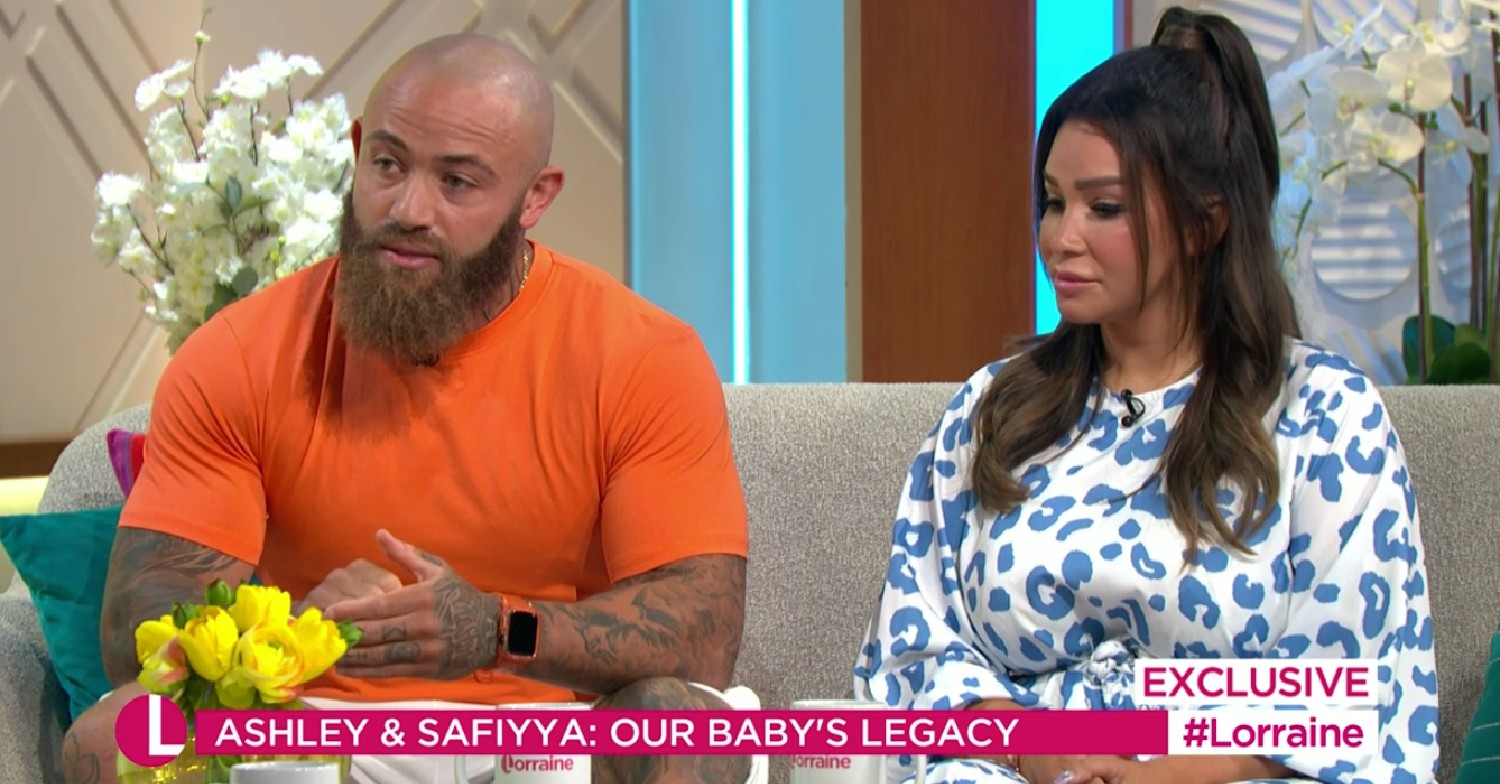
In a statement to The Guardian, Cain’s representative added: “Ashley has learned from this experience and is committed to using his platform to promote respect and positivity.” The statement does not mention any direct outreach to those affected by his comments or plans for public education on the issue.
Comparatively, other public figures facing similar controversies—such as actor James Corden, who apologized for past tweets in 2020, or comedian Dave Chappelle, who has navigated debates around offensive language—have faced prolonged public and professional scrutiny. Cain’s case, however, appears to be at an earlier stage, with no immediate signs of industry-wide repercussions such as canceled projects or endorsements.
What Are the Potential Consequences for Ashley Cain’s Career?
The fallout from Cain’s apology could ripple across his professional life in several ways. As a reality TV star, his reputation is tied to his ability to maintain public trust—a factor that has become increasingly important in an era where audiences expect accountability from their favorite personalities. For instance, Cain’s participation in Love Island and other dating shows relies on his ability to connect with viewers, a dynamic that could be strained by ongoing criticism.
In the football world, where Cain played professionally in the UK, his past comments could also resurface in discussions about player conduct. While football clubs and governing bodies have historically focused on on-field behavior, the rise of social media activism has pushed organizations to address off-field issues more seriously. For example, in 2023, the English Football Association (FA) issued guidelines on respectful language for players, following similar moves by other sports leagues. Cain’s case could serve as a test of how seriously these policies are enforced.
Financially, the impact may be less immediate but still significant. Cain’s reality TV deals and potential endorsements could be affected if brands perceive him as a liability. A 2023 study by Forbes found that celebrities facing social media controversies see an average 20% drop in endorsement opportunities in the year following the scandal. For Cain, whose income likely depends on his TV appearances and sponsorships, this could translate to lost revenue.
How Have Other Public Figures Handled Similar Controversies?
Cain’s situation is not unique. Over the past decade, several high-profile figures have faced backlash for misogynistic or offensive language in social media posts, leading to a range of responses. Here’s how a few compare:
- James Corden (2020): The comedian issued a public apology for past tweets, including one that resurfaced in 2020. Unlike Cain, Corden directly addressed the content of his comments and faced immediate criticism from fans and colleagues. His career continued largely unaffected, though he has since avoided commenting on similar topics in public.
- Dave Chappelle (2021–2023): The comedian’s jokes about women and LGBTQ+ issues led to widespread backlash, including the cancellation of Netflix’s Comedians in Cars Getting Coffee. Chappelle’s response was defiant, arguing for free speech, but the controversy ultimately cost him a major platform.
- Kevin Hart (2019): The actor faced backlash for old tweets and homophobic jokes, leading to the cancellation of his Netflix special. Hart issued a lengthy apology, but the damage to his public image persisted, with some brands distancing themselves from him.
Cain’s case differs in that he has not yet faced direct professional consequences, such as canceled projects or lost sponsorships. However, the lack of immediate fallout may also reflect the early stage of the controversy. Media experts suggest that Cain’s ability to weather the storm will depend on whether he takes further steps to address the issue publicly or privately.
What Happens Next for Ashley Cain?
The next steps in Cain’s response will likely determine how this controversy evolves. Key questions include:
- Will Cain address the specific comments? To date, his apology has been general. If he provides more detail—such as naming the posts or explaining his thought process—it could signal a more sincere effort at accountability.
- Will he engage with critics or affected individuals? Public figures who have faced similar backlash often reach out to those harmed by their words, either directly or through advocacy groups. Cain has not yet indicated whether he plans to do so.
- How will his employers respond? If Cain is contracted for future reality TV projects, his network may issue a statement addressing the controversy. For example, ITV, which produces Love Island, has faced scrutiny over its handling of past controversies involving cast members.
- Will this affect his football legacy? While Cain’s playing career ended years ago, his reputation in football circles could still be impacted. Former teammates or coaches may weigh in, particularly if they feel the comments reflect poorly on the sport’s culture.
The next confirmed checkpoint in this story is Cain’s potential public appearance or interview in the coming weeks. If he chooses to address the issue further, it could provide clarity on whether this moment marks a turning point in his career or merely a temporary blip.
Key Takeaways
- Ashley Cain has acknowledged using misogynistic language in past social media posts, calling his behavior “not proud” in a statement delivered through a spokesperson.
- The controversy stems from screenshots of old posts that resurfaced online, sparking criticism from fans and media outlets.
- Cain’s apology is less specific than those issued by other public figures facing similar backlash, leaving room for further scrutiny.
- Potential consequences include damage to his reality TV career, lost endorsement opportunities, and reputational harm in both football and entertainment circles.
- The next steps will depend on whether Cain provides more detail about the comments, engages with critics, or faces professional repercussions from his employers.
As this story develops, readers are encouraged to share their thoughts on how public figures should be held accountable for their past words. Has Cain’s response been sufficient, or should more be expected? Leave your comments below or share this article to continue the conversation.