
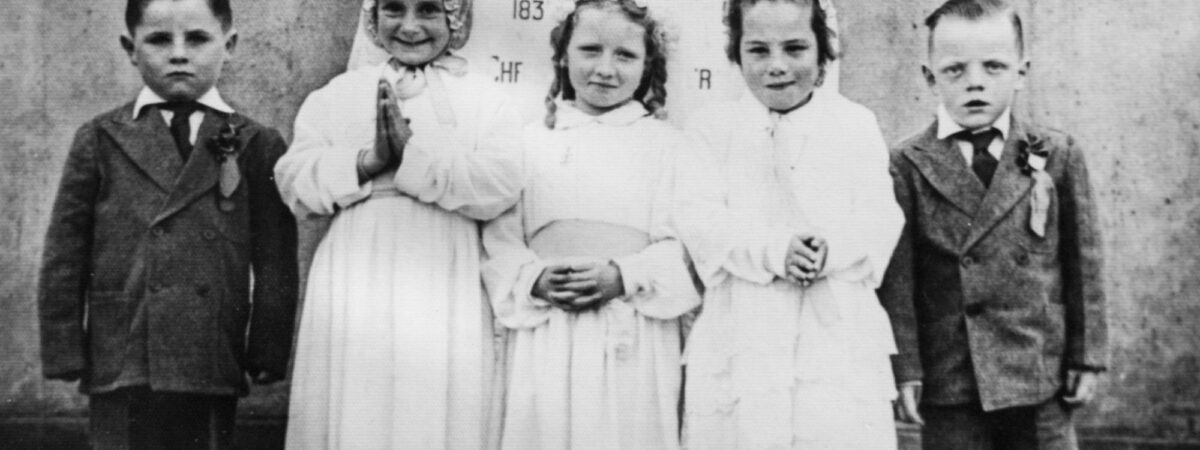
A recent exhibition in Ireland examines the systemic abuse and high infant mortality rates at the Tuam Mother and Baby Home, where 796 children died between 1925 and 1961. The display highlights the forced separation of mothers and children and the subsequent discovery of human remains in a former sewage structure on the facility’s grounds.
The Tuam home, operated by the Bon Secours sisters, became a focal point of national scrutiny after local historian Catherine Corless published research in 2014 showing a massive discrepancy between the number of children who died at the facility and those with official burial records. Her findings prompted a state investigation into the treatment of unmarried mothers and their children in institutional care.
The Irish government has since acknowledged the trauma inflicted on survivors. In 2021, the State issued a formal apology for the “coldness” and “cruelty” experienced by women and children in these institutions, as detailed in the Final Report of the Commission of Investigation into Mother and Baby Homes. The report confirmed that thousands of women and children were subjected to systemic neglect and forced separations.
How Catherine Corless uncovered the Tuam deaths
The public revelation of the Tuam scandal began with the work of Catherine Corless, a local historian in County Galway. Corless spent years analyzing death certificates and burial registers from the Tuam home, discovering that 796 children died at the facility between 1925 and 1961, but only a small fraction had recorded graves. According to Corless’s research, these records indicated that the majority of the children were buried in unmarked mass graves on the property.
This discrepancy led to the discovery of a structure on the site that appeared to be a decommissioned sewage tank. Forensic analysis and excavations conducted by the state later confirmed the presence of human remains within this structure. The discovery shifted the narrative from a suspected failure of record-keeping to a suspected case of mass neglect and improper burial of minors.
The scale of the loss at Tuam is part of a larger pattern of institutional abuse in Ireland. Between 1922 and 1998, an estimated 9,000 children died in Mother and Baby Homes across the country, according to data provided to the Commission of Investigation. The Tuam facility remains the most prominent example due to the physical evidence of mass burials.
The role of the Bon Secours sisters and the State
The Tuam Mother and Baby Home was managed by the Bon Secours sisters, a Catholic order of nuns. Under the prevailing social and religious norms of the time, the facility housed unmarried mothers who were often cast out by their families. These women were frequently subjected to unpaid labor and strict disciplinary regimes while their children were cared for in separate wards.
Evidence presented to the Commission of Investigation indicates that the relationship between the Catholic Church and the Irish State was symbiotic during this period. The State funded these institutions to manage “social problems” associated with illegitimacy, while the religious orders provided the infrastructure and staffing. This arrangement effectively outsourced social welfare to institutions that operated with little to no government oversight.
Survivors have testified that children were often separated from their mothers immediately after birth. Many of these children were placed in other institutions or sent to the United States for adoption without the mothers’ informed consent. This practice of forced adoption has left thousands of individuals struggling to find their biological parents or access their original birth records.
What the Commission of Investigation revealed
The Commission of Investigation into Mother and Baby Homes, which published its findings in January 2021, documented a pervasive culture of neglect. The report stated that the homes were often overcrowded and that medical care for infants was inadequate. In Tuam specifically, the report highlighted the failure of the state to ensure that children were buried with dignity.
The commission found that the mortality rates in these homes were significantly higher than those in the general population. While some deaths were attributed to outbreaks of infectious diseases, the lack of proper sanitation and nutrition contributed to the high death toll. The report noted that the “stigma” attached to being born outside of marriage influenced the quality of care provided to these children.
Despite the findings, some survivors have criticized the report for failing to hold individual perpetrators or the religious orders legally accountable. The 2021 report focused on systemic failures rather than assigning individual criminal liability, leading to ongoing calls for a full forensic exhumation and DNA identification of the remains at Tuam.
The struggle for DNA identification and exhumation
The process of identifying the remains at the Tuam site has been a protracted legal and technical battle. The Irish government has committed to a full excavation of the site and the use of DNA testing to identify the children. This effort is intended to provide closure to families who have spent decades searching for their lost children.

However, the process is complicated by the degraded state of the remains and the lack of comprehensive records. The state must balance the need for forensic accuracy with the requirement to treat the remains with respect. According to the Department of Justice, the exhumation process involves complex legal orders and the coordination of forensic archaeologists.
For the families involved, the goal is not just the recovery of remains but the restoration of names to the deceased. The exhibition currently visiting Ireland emphasizes this “naming” process, displaying the names of the 796 children to transform them from statistics back into individuals with identities.
The lasting impact on survivors and families
The legacy of the Tuam home extends beyond the physical remains. Survivors of the home and the children who survived the infant wards describe a lifelong struggle with trauma, abandonment, and identity loss. The forced separation of mothers and children created a generational cycle of grief and psychological distress.
Many survivors have reported that they were told their children had died, only to discover years later that they had been adopted. Conversely, some mothers spent their lives believing their children were alive, only to find out through Catherine Corless’s research that their children were among those buried in the mass graves at Tuam.
The psychological impact of these experiences is categorized by mental health professionals as complex trauma. The lack of transparency from both the Church and the State for several decades exacerbated this trauma, as survivors felt their experiences were being denied or erased from official history.
Why this exhibition matters for public health and policy
From a public health perspective, the Tuam scandal serves as a case study in the dangers of unregulated institutional care. The high mortality rates were not merely the result of medical limitations of the era but were exacerbated by poor sanitation, overcrowding, and systemic neglect. This history underscores the importance of independent oversight in healthcare and social welfare facilities.
The exhibition also prompts a wider discussion on “institutional betrayal,” a term used to describe the psychological harm that occurs when an institution upon which a person depends for survival violates their trust. In the case of Tuam, the betrayal was twofold: the religious institution failed in its duty of care, and the state failed in its duty to protect its most vulnerable citizens.
Current Irish policy has shifted toward a more transparent approach to institutional history. The establishment of the Mother and Baby Homes Commission was a step toward this, though critics argue that the reparations offered to survivors—including financial payments and healthcare support—are insufficient given the scale of the abuse.
Timeline of the Tuam Home Scandal
| Year/Period | Event |
|---|---|
| 1925–1961 | The Tuam Mother and Baby Home is operated by the Bon Secours sisters. |
| 2014 | Catherine Corless publishes research revealing 796 deaths without burial records. |
| 2017 | The Irish government launches a formal Commission of Investigation into Mother and Baby Homes. |
| 2021 | The Commission publishes its final report; the Irish State issues a formal apology. |
| Present | Ongoing legal and forensic efforts to exhume and DNA-identify remains. |
The next confirmed checkpoint in the resolution of the Tuam scandal is the continued forensic excavation and the processing of DNA samples. The Irish government is expected to provide periodic updates on the number of remains recovered and the progress of the identification process as the forensic work continues at the site.
We invite readers to share their thoughts or information regarding the legacy of institutional care in the comments below.