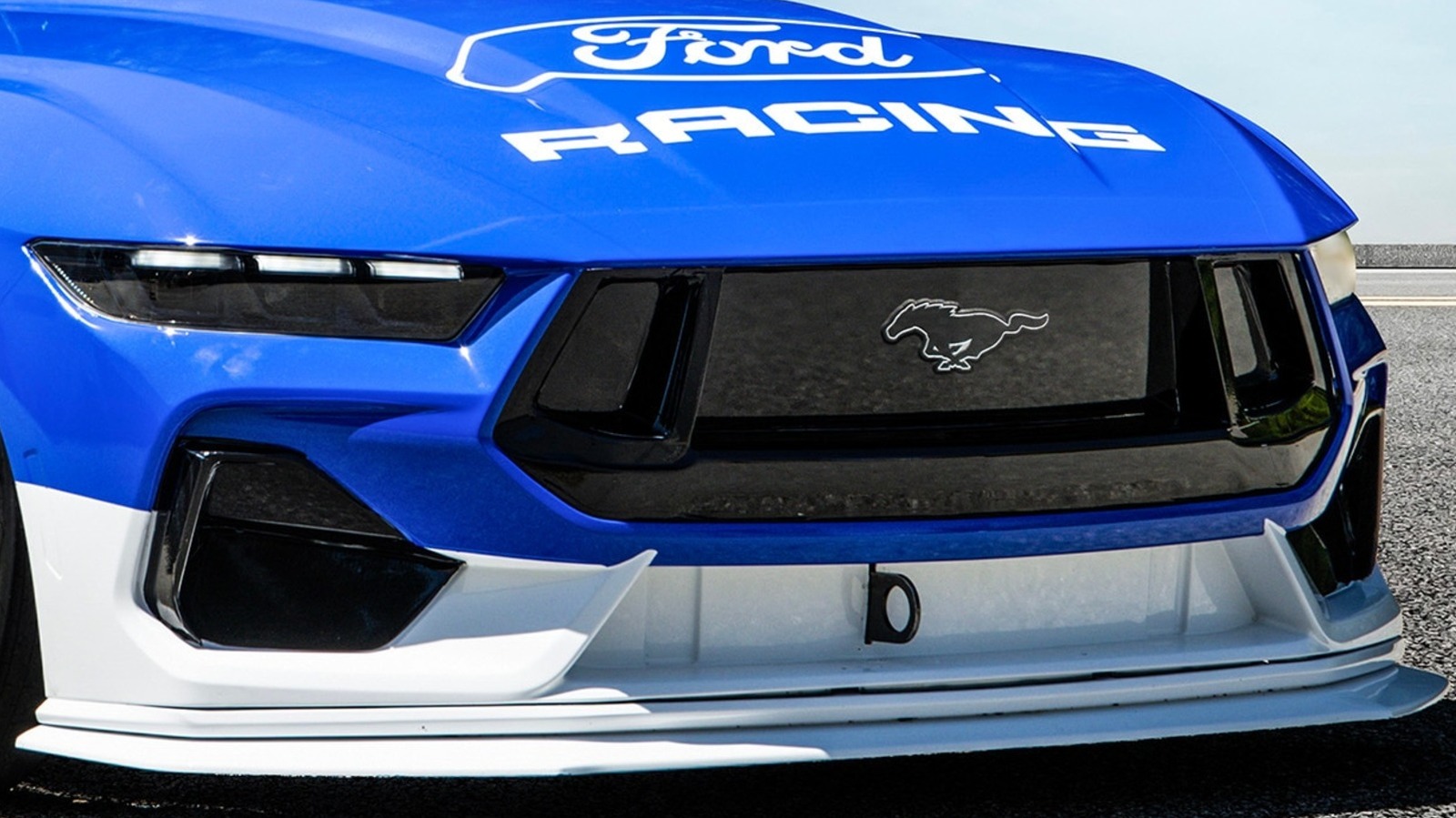
Ford has long been synonymous with the roar of internal combustion engines and the legacy of the Mustang, but the company is now redefining high-performance acceleration through electrification. At the 2026 NHRA 4-Wide Nationals, the automaker unveiled the Mustang Cobra Jet 2200
, a specialized drag-racing machine that has officially become the quickest electric vehicle in the world.
The vehicle represents a significant leap in EV engineering, shattering previous benchmarks for acceleration and top speed in a quarter-mile sprint. By leveraging extreme voltage and advanced powertrain management, Ford Racing has pushed the boundaries of what is possible for a full-bodied electric dragster, moving far beyond the capabilities of consumer-grade EVs.
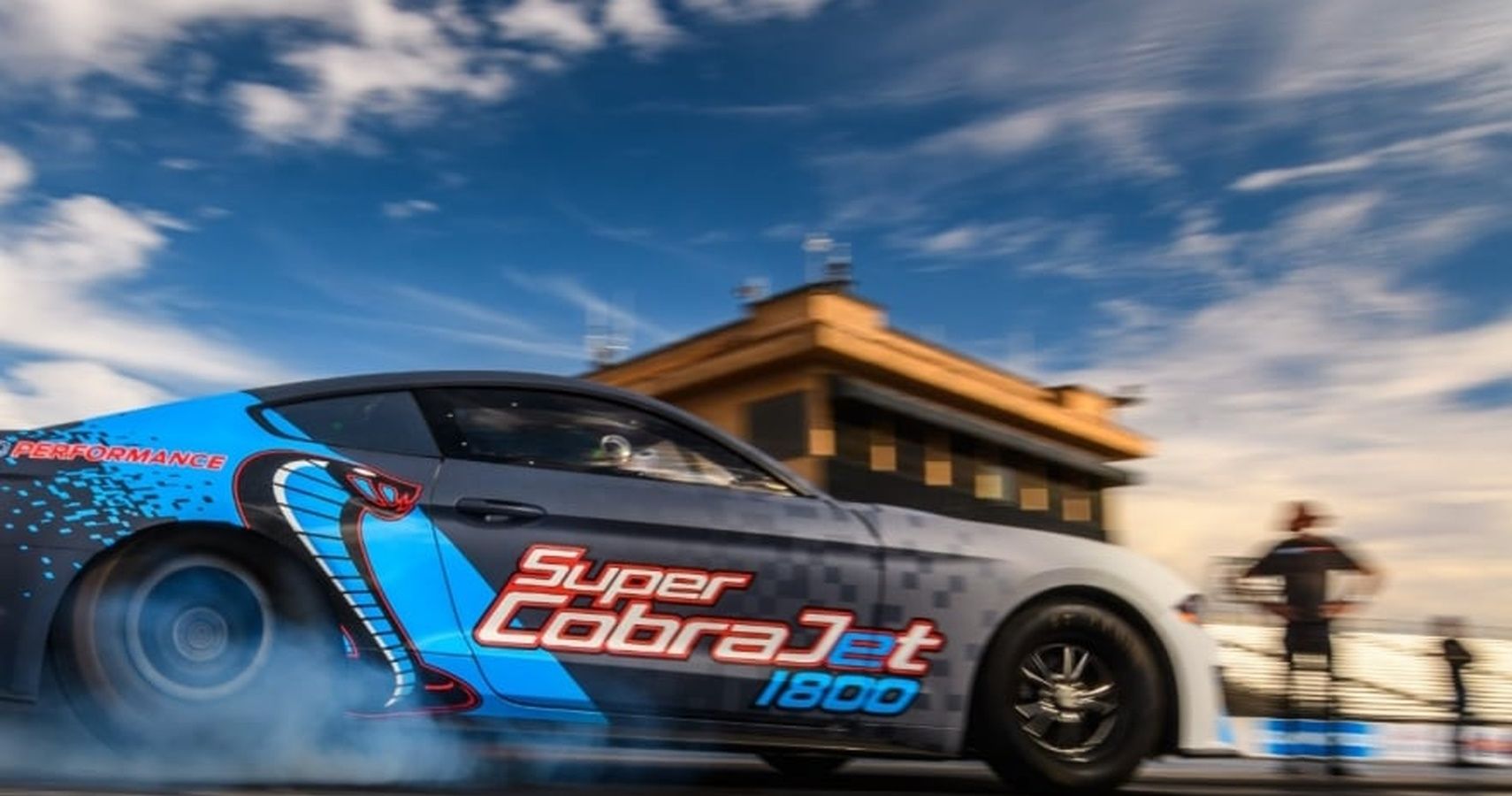
This achievement is not merely a victory in speed but a strategic demonstration of electric powertrain scalability. The Cobra Jet 2200 builds upon the technical foundations of its predecessors, the Cobra Jet 1400 and the Super Cobra Jet 1800, evolving from a proof-of-concept for electric performance into a world-record-breaking powerhouse.
Breaking the Quarter-Mile Barrier
The performance metrics of the Mustang Cobra Jet 2200 are staggering. During its debut at the zMax Dragway, the vehicle recorded a quarter-mile elapsed time of 6.87 seconds with a trap speed of 221 mph, according to reports from Electrek. Other reports, including coverage by Road & Track, indicate the machine pushed even further, reaching a 6.76-second run with a top speed of 222 mph.
To put these numbers in perspective, the Cobra Jet 2200 demolished Ford’s own previous electric record. The Super Cobra Jet 1800 had previously set a benchmark of 7.623 seconds in September 2024. The new 2200-horsepower iteration improved upon that time by approximately 0.75 seconds—a massive margin in the world of drag racing where victories are often decided by thousandths of a second.
Technical Evolution: From 1400 to 2200
The journey to the 2,200-horsepower mark was an iterative process of increasing power output and managing the immense thermal and mechanical stress associated with instant torque. The progression began with the Cobra Jet 1400, which introduced the concept of a factory-backed electric dragster. This was followed by the Super Cobra Jet 1800, which refined the battery chemistry and motor efficiency to increase output.
The Cobra Jet 2200 optimizes this trajectory by maximizing current flow to the motors and enhancing the chassis’s ability to translate that power into forward momentum. In drag racing, the primary challenge for EVs is not just producing horsepower, but ensuring the tires can maintain traction under the immediate, violent delivery of torque characteristic of electric motors.
Why This Matters for the Automotive Industry
While the Cobra Jet 2200 is not a production car available for purchase, its existence serves as a critical laboratory for Ford. The technologies developed for this vehicle—specifically in the realms of high-voltage battery discharge, thermal management, and inverter efficiency—often trickle down into consumer vehicles. As the industry shifts toward electrification, the ability to manage extreme power loads is essential for the next generation of high-performance electric trucks and sports cars.
the project signals Ford’s commitment to maintaining its brand identity as a performance leader in an era where the “sound” of power is changing. By dominating the drag strip with an EV, Ford is attempting to decouple the concept of “high performance” from the internal combustion engine, proving that electric propulsion can be just as visceral and competitive.
Key Performance Comparison
| Model | Horsepower | Quarter-Mile Time | Top Speed |
|---|---|---|---|
| Cobra Jet 1400 | 1,400 hp | Verified in early tests | N/A |
| Super Cobra Jet 1800 | 1,800 hp | 7.623 seconds | Verified (Sept 2024) |
| Mustang Cobra Jet 2200 | 2,200 hp | 6.76 – 6.87 seconds | 221 – 222 mph |
The Future of Electric Drag Racing
The success of the Cobra Jet 2200 at the NHRA 4-Wide Nationals marks a turning point for the sport. For decades, the NHRA has been the pinnacle of combustion-powered speed, but the arrival of a 2,200-horsepower EV that can outpace almost anything in its class suggests a new era of competition.
The primary hurdle remaining for EV dragsters is the energy density and weight of the batteries. To achieve these speeds, the Cobra Jet 2200 requires a massive amount of energy delivered in a very short burst. Future iterations will likely focus on reducing the weight of the battery pack without sacrificing the voltage necessary to maintain these record-breaking speeds.
For enthusiasts and engineers, the Cobra Jet 2200 is a testament to the “brute force” potential of electricity. It moves the conversation from “Can an EV be fast?” to “How much faster can an EV head than a gasoline engine?”
Ford has not announced a specific date for the next public demonstration of the Cobra Jet 2200, but the vehicle is expected to remain a fixture in high-performance exhibition runs throughout the 2026 racing season.
Do you think electric vehicles will eventually replace internal combustion in professional drag racing, or is the roar of the engine too essential to the sport? Share your thoughts in the comments below.