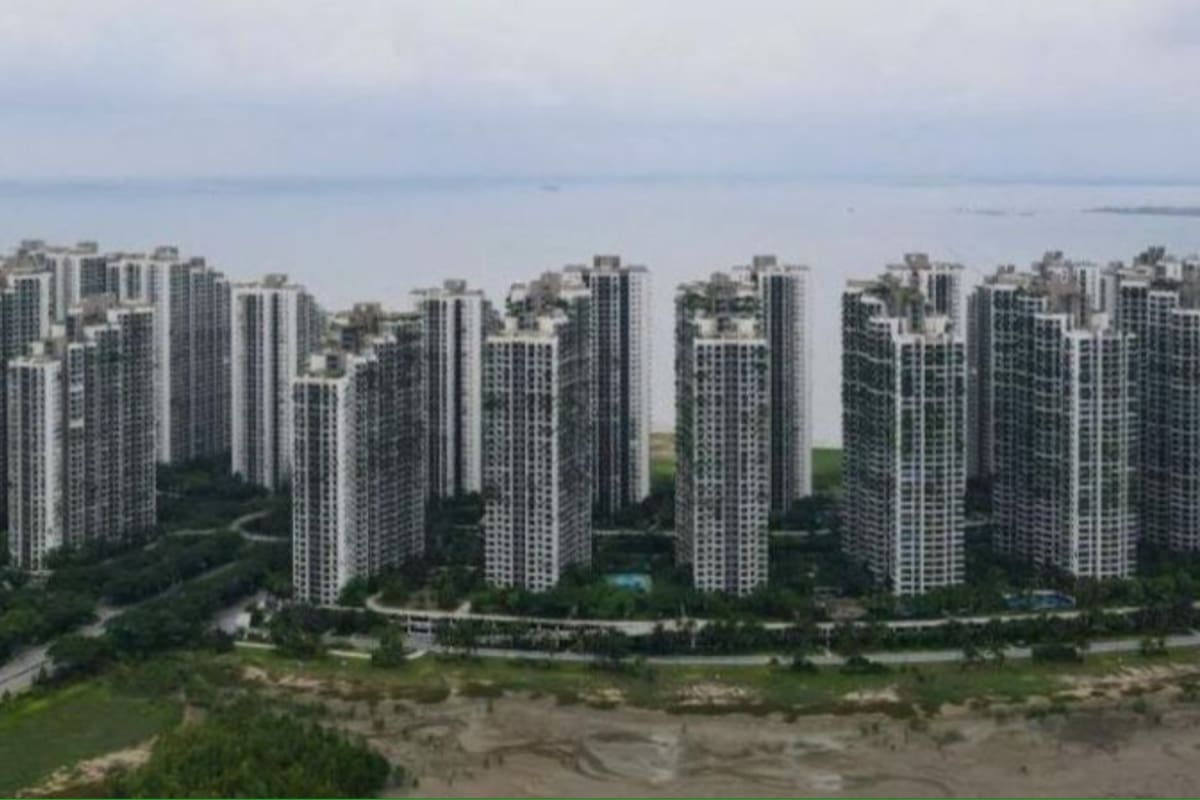
The Forest City development in Malaysia, a massive $100 billion real estate project designed to house 700,000 residents, remains largely unoccupied years after its intended completion, leaving many international buyers with properties in what critics and residents frequently describe as a “ghost town.” Originally launched in 2016 as a joint venture between the Chinese developer Country Garden and the Malaysian government-backed Esplanade Danga 88, the project has struggled with shifting geopolitical policies, China’s strict capital controls, and a lack of local demand, according to reports from the BBC.
While the project was marketed to Chinese middle-class families as a tropical sanctuary with ocean views and modern amenities, the reality for those who did invest has been defined by isolation and stalled infrastructure. Many units remain unfinished or empty, and the surrounding area lacks the commercial vibrancy necessary to support a functioning community, a situation exacerbated by the broader instability in the Chinese property market, as noted by Reuters.
The Origins of Forest City’s Ambition
Forest City was conceived during a period of aggressive international expansion for Chinese developers. Spanning four man-made islands off the coast of Johor, the project was intended to be a “smart, green city” that would serve as a regional hub for tourism and luxury living. Country Garden, one of China’s largest developers, spearheaded the construction, relying heavily on the premise that affluent buyers from mainland China would purchase secondary homes abroad. However, the project faced significant hurdles almost immediately after its inception.
In 2017, the Chinese government implemented stringent capital controls, limiting the amount of money citizens could move offshore, which effectively cut off the primary source of funding and buyers for the development. This policy shift, combined with the COVID-19 pandemic, halted construction and stalled the arrival of residents. According to data tracked by the Bloomberg, only a fraction of the tens of thousands of planned units are currently occupied, leaving the sprawling landscape of high-rise towers eerily quiet.
Geopolitical and Economic Realities
The failure of Forest City to gain traction is frequently cited by analysts as a cautionary tale regarding the risks of debt-fueled real estate development. Country Garden, which faces its own liquidity crisis in China, has struggled to sustain the massive maintenance and development costs required for an island project of this scale. In October 2023, the company officially defaulted on its offshore debt, marking a significant milestone in the ongoing decline of the Chinese property sector, as reported by Reuters.
For the residents who did move in, the experience has been one of living in a state of perpetual anticipation. The lack of public transportation, limited job opportunities within the islands, and the distance from major urban centers like Johor Bahru have made it difficult for the development to attract long-term occupants. While the Malaysian government has attempted to revitalize the area by declaring it a “Special Financial Zone” to attract investment, the physical reality of the site remains largely unchanged.
What Happens Next for the Development?
The future of Forest City depends largely on the ability of the developers to secure new capital and potentially pivot the project toward a different target demographic. Malaysian authorities have expressed a desire to see the project succeed, given the massive initial investment, but there is no clear timeline for when the infrastructure, such as schools and hospitals, will reach the levels originally promised in the project’s marketing materials.

Potential buyers and stakeholders are currently watching for updates regarding the restructuring of Country Garden’s international assets. For now, the towers remain a visible monument to the era of rapid, speculative development that characterized the mid-2010s in Southeast Asia. As of late 2023 and early 2024, no major new construction milestones have been announced by the developers, and the project remains under scrutiny by global financial regulators tracking the fallout of the Chinese property crisis.
Readers interested in the ongoing status of the development can monitor official updates from the Johor state government or through the Malaysian Investment Development Authority (MIDA) for any changes in the special economic status or new investment incentives applied to the region. We encourage readers to share their thoughts and experiences regarding regional development trends in the comments section below.