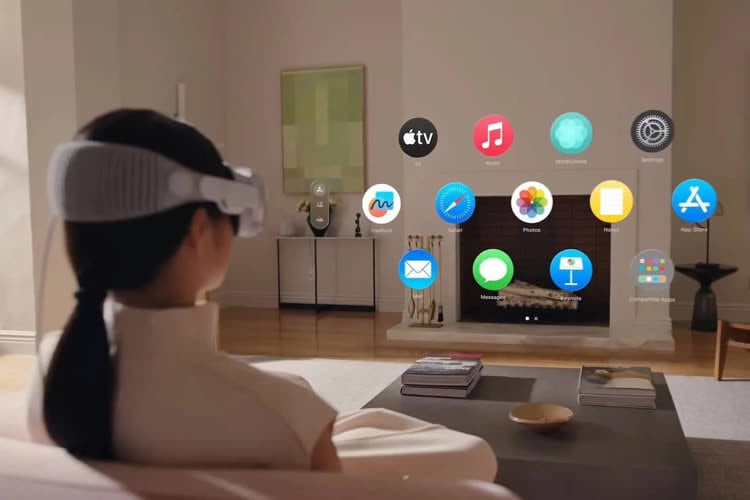
Paul Meade, a former senior executive at Apple who led hardware development for the Vision Pro, has joined OpenAI to spearhead the company’s efforts in consumer hardware development. The transition marks a significant strategic pivot for the artificial intelligence research organization as it seeks to expand its footprint beyond software and cloud-based models into physical devices.
The move was first reported by Bloomberg, which confirmed that Meade will report to OpenAI’s leadership team to help steer the company’s nascent hardware division. Meade’s departure from Apple follows a tenure characterized by his oversight of the Vision Products Group, the team responsible for the development of the company’s mixed-reality headset, the Vision Pro.
Building a Hardware Team at OpenAI
OpenAI has been aggressively recruiting top-tier talent from the Silicon Valley hardware ecosystem over the past year. Meade joins a growing cohort of former Apple veterans now working at the AI firm. This group includes Jony Ive, the legendary former Apple design chief who is currently collaborating with OpenAI CEO Sam Altman on a new hardware project, as well as former Apple executives Tang Tan and Evans Hankey, both of whom have been linked to the company’s design and product strategy initiatives, according to The Verge.
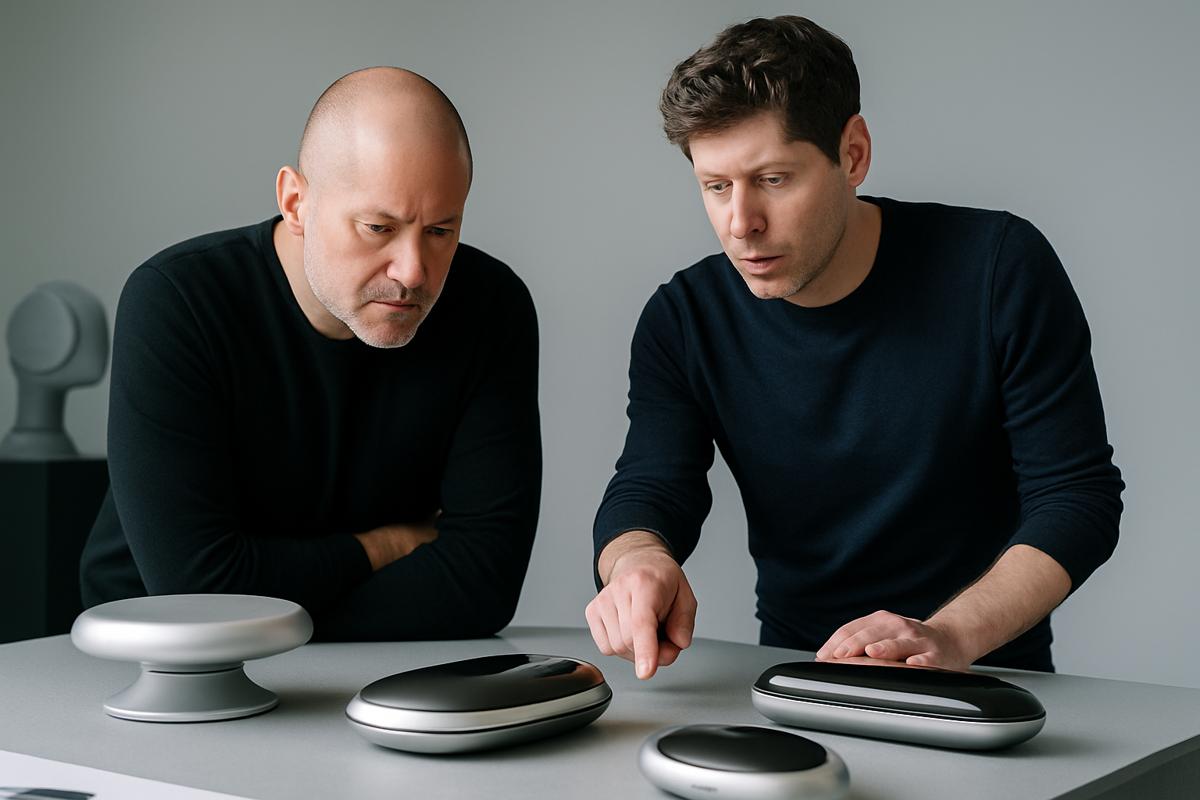
The recruitment of individuals with deep experience in consumer electronics suggests that OpenAI is moving past the experimental phase of hardware design. While the company has historically focused on large language models like GPT-4 and the ChatGPT interface, the addition of leaders who have successfully brought complex, high-end hardware to market—such as the Vision Pro and various iterations of the iPhone—indicates a formalization of their product roadmap.
Why Hardware Matters for AI Development
The integration of artificial intelligence into consumer hardware is viewed by industry analysts as the next frontier for the sector. By controlling both the software layer and the physical device, companies can create more seamless user experiences that are optimized specifically for AI workloads. This strategy mirrors the vertical integration approach popularized by Apple, where hardware and software are designed in tandem to maximize performance and efficiency.

According to reports from Reuters, the primary goal for this new team is to explore how generative AI can be embedded into devices that move beyond the traditional smartphone or computer form factor. For consumers, this could eventually result in new types of wearable technology or specialized devices that handle AI processing locally, reducing the reliance on cloud-based latency.
The Apple-to-OpenAI Talent Pipeline
The exodus of leadership from Apple to OpenAI has raised questions about the competitive landscape of the tech industry. As major companies compete to define the “post-smartphone” era, the movement of key personnel acts as a barometer for where the most significant innovation is perceived to be happening.
Meade’s specific expertise in the Vision Products Group is particularly relevant. The Vision Pro required advancements in spatial computing, sensor fusion, and complex manufacturing—capabilities that are directly applicable to the next generation of AI-enabled hardware. While OpenAI has not yet announced a specific product, the concentration of talent from Apple’s industrial design and hardware engineering wings strongly suggests that the company is aiming to deliver a product that prioritizes user interface and physical design as much as it prioritizes its underlying AI models.
Future Outlook and Next Steps
As of late 2024, OpenAI has remained relatively quiet regarding the specifics of its hardware roadmap. The company continues to focus on its core model releases, such as the o1 series, while balancing the operational costs of scaling its infrastructure. The next major milestone for the firm will likely be the unveiling of a prototype or a concrete product announcement, which industry observers anticipate could occur within the next 12 to 18 months, depending on the progress of the newly formed hardware team.

For now, the industry is watching to see how this team integrates within the broader culture of a research-heavy organization like OpenAI. The intersection of Apple’s design-first philosophy and OpenAI’s rapid-iteration software culture remains one of the most closely watched developments in the technology sector.
Have thoughts on the future of AI-powered hardware? Share your perspective in the comments section below or join the conversation on our social media channels.