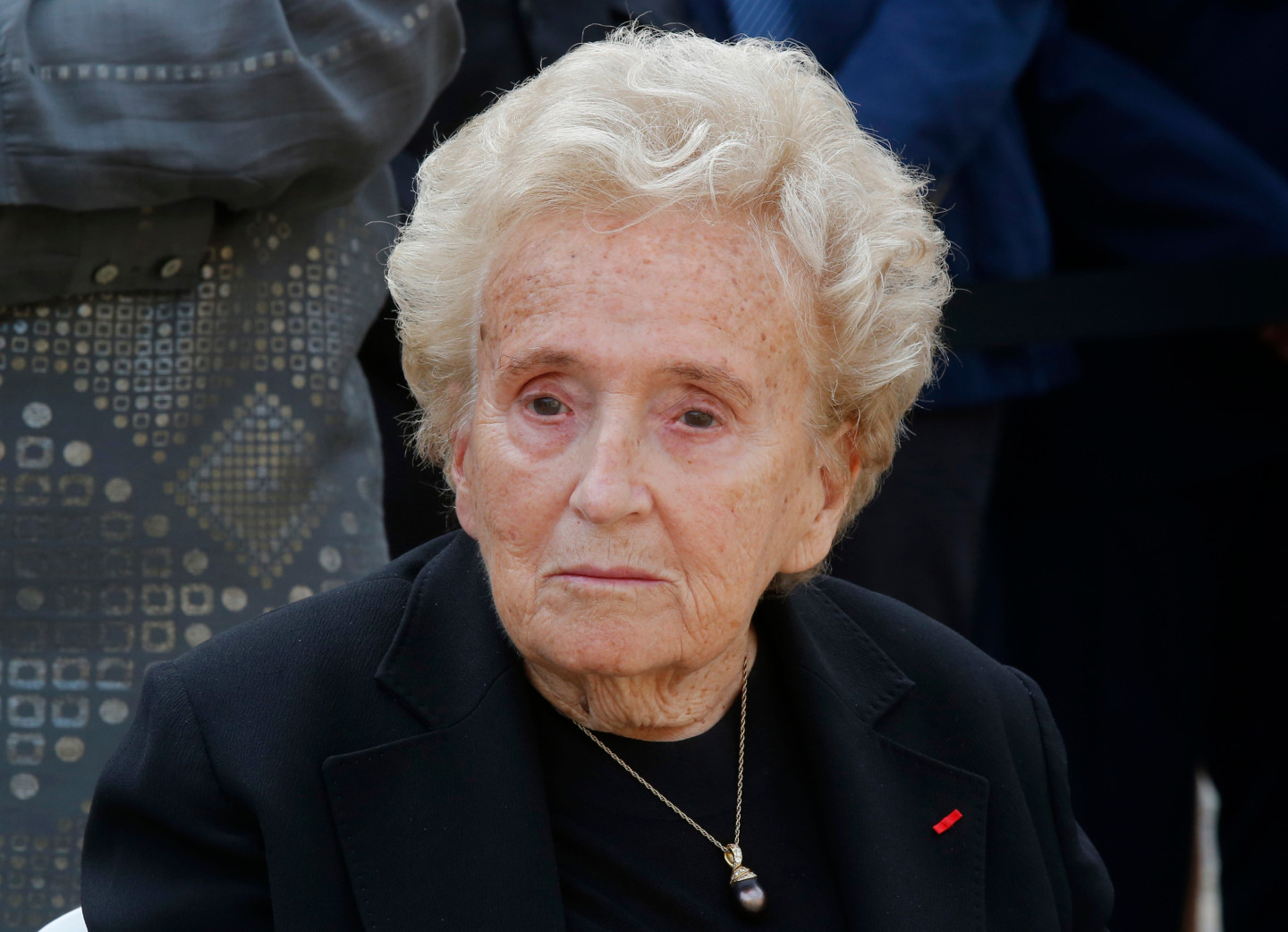
Bernadette Chirac, the former first lady of France and a prominent figure in the nation’s political landscape, has died at the age of 93. Her passing was confirmed by President Emmanuel Macron on Saturday, who expressed his “great sadness” regarding the loss, noting that he and his wife, Brigitte, had learned of her death with deep emotion.
As the wife of the late President Jacques Chirac, who served as head of state from 1995 to 2007, Bernadette Chirac was a central figure in French public life for decades. Her death marks the end of an era for a generation of French politics defined by the Chirac presidency. The announcement of her passing has prompted an outpouring of tributes from across the political spectrum in France, acknowledging her long-standing commitment to public service and her role in the foundation that bore her husband’s name.
A Life of Public Service and Influence
Bernadette Chirac was widely recognized for her dedicated work with the Fondation Hôpitaux de Paris-Hôpitaux de France, an organization she presided over for many years. Her efforts were notably focused on improving the lives of hospitalized children and the elderly. Through her annual “Pièces Jaunes” (Yellow Coins) fundraising campaign, she became a familiar and respected presence in French homes, turning a philanthropic initiative into a national institution.
Beyond her charitable work, she was a significant political actor in her own right. Serving as a departmental councillor in Corrèze, she maintained a strong connection to the local political base that had originally launched her husband’s career. Her influence was often described as both discreet and formidable, providing a steady hand throughout the various stages of Jacques Chirac’s career, from his time as Mayor of Paris to his tenure at the Élysée Palace.
Reflecting on a Legacy
The role of the first lady in France has historically been one of nuance and limited formal definition, yet Bernadette Chirac navigated this position with a distinct sense of duty. During her husband’s presidency, she transitioned from a relatively private figure to a more visible public servant, gaining popularity for her candid interviews and her active engagement in social causes. Her resilience during the political challenges faced by the Chirac administration solidified her reputation as a pillar of the conservative movement.
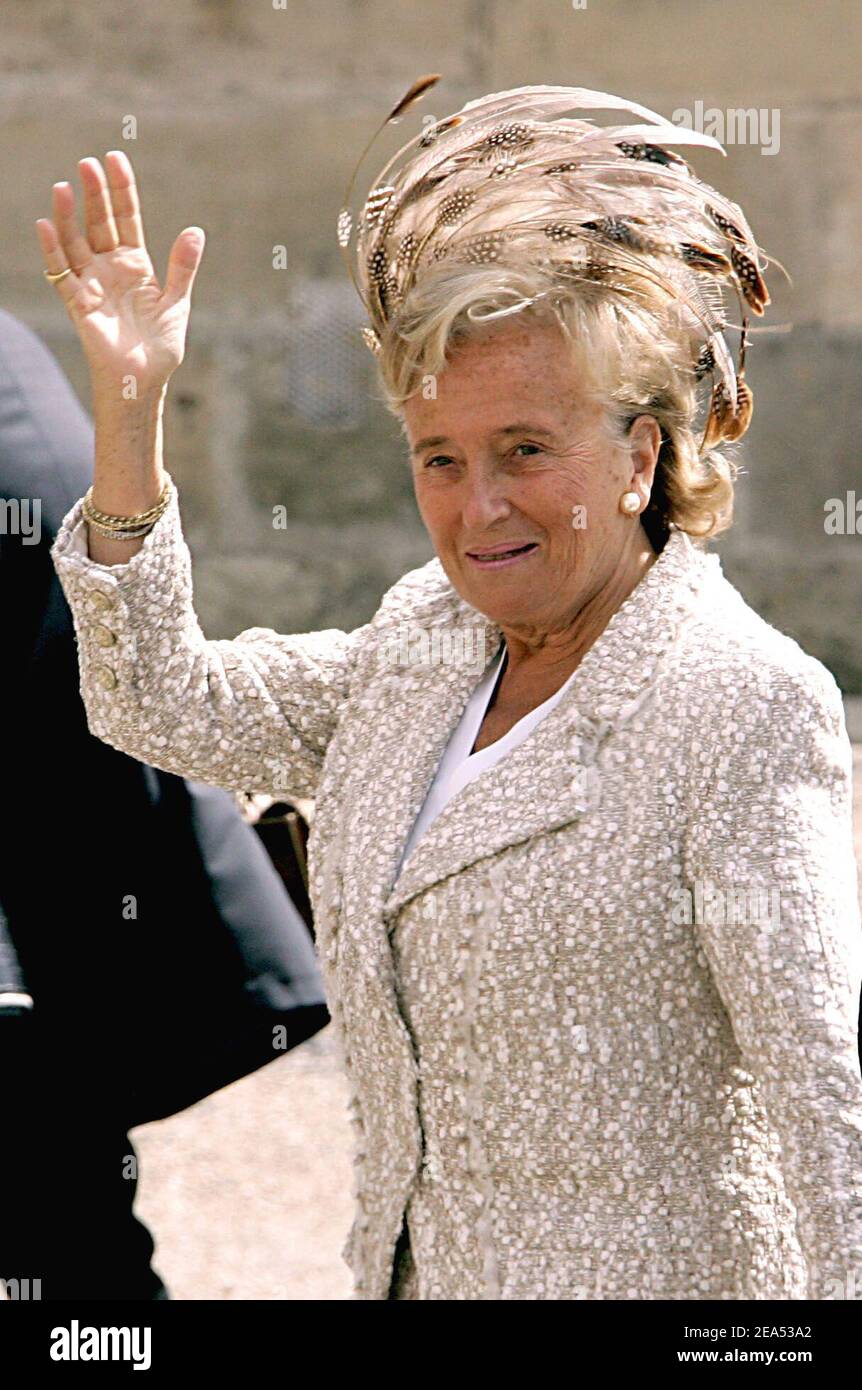
Following the death of Jacques Chirac in 2019, Bernadette remained a figure of historical interest, representing a bridge to a period of French history that saw significant shifts in the European Union and the domestic social landscape. Her passing is viewed as a moment for the nation to reflect on the legacy of the Chirac years, a period marked by both modernization efforts and deep-seated political debates.
What Happens Next
As the nation mourns the former first lady, official channels are expected to provide details regarding funeral arrangements and memorial services in the coming days. These events, typically held with the dignity accorded to those who have served at the highest levels of the French state, will likely draw dignitaries and political figures from both France and abroad.
For those interested in the official legacy of the Chirac presidency or the ongoing work of the foundations she supported, updates are periodically provided through the official channels of the Élysée Palace and the relevant charitable institutions. We invite our readers to share their reflections on her life and contribution to French society in the comments section below.
Keep reading