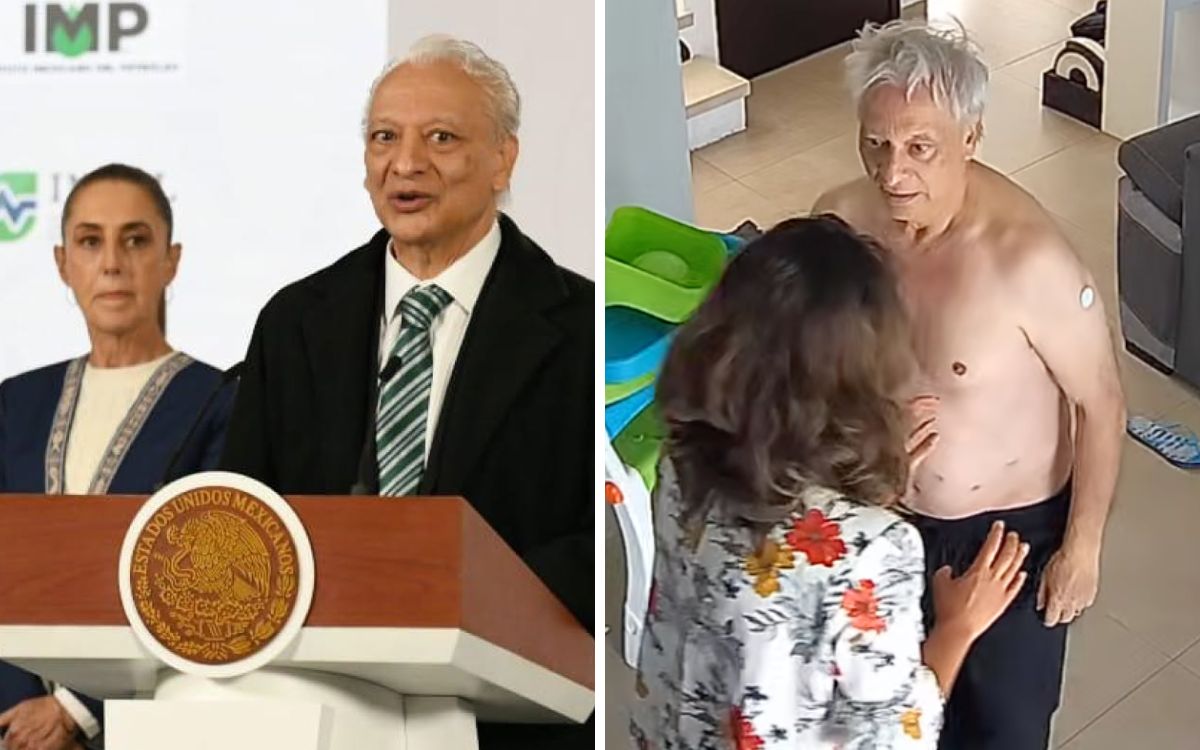
Víctor Rodríguez Padilla, director of the INEEL, faces public allegations of domestic violence following the circulation of video evidence. The footage, which has drawn widespread attention across social media platforms, appears to show a physical altercation between Rodríguez and his spouse. The incident has prompted calls for an investigation into his conduct, raising questions regarding his professional standing and the broader implications for public officials accused of gender-based violence.
The allegations surfaced as Rodríguez was being considered for, or had recently transitioned into, high-level roles within the administration of President Claudia Sheinbaum. Given his established profile in energy policy—having served as a key advisor to Sheinbaum during her tenure as Head of Government in Mexico City—the accusations represent a significant challenge for the current administration’s commitment to addressing violence against women.
Origins of the Allegations and Video Evidence
The controversy began when video footage was shared widely, purportedly depicting Rodríguez engaged in a physical confrontation with his wife. The authenticity of the video, which features an individual identifiable as the director, has become the focal point of the public discourse. While the video has been cited by multiple media outlets as evidence of domestic abuse, formal legal proceedings are governed by the Mexican judicial system’s protocols for domestic violence cases. Under the General Law on Women’s Access to a Life Free of Violence, acts of physical, psychological, or economic abuse within a domestic setting are subject to specific investigative and protective measures.
Observers have noted that the timing of the release—coinciding with his increased visibility in the federal energy sector—has intensified the scrutiny of his personal conduct. In Mexico, the intersection of public office and private behavior is increasingly regulated by internal codes of conduct and public pressure. The Ministry of Public Administration (SFP) maintains guidelines regarding the ethical conduct of civil servants, although the application of these rules to private domestic disputes remains a complex area of administrative law.
Institutional Response and Political Implications
The administration of President Claudia Sheinbaum has faced mounting pressure to address the situation directly. As a leader who has prioritized gender equality and the protection of women as a cornerstone of her political platform, the association with a figure accused of domestic violence presents a significant reputational risk. Historically, the Mexican government has relied on the National Commission to Prevent and Eradicate Violence Against Women (CONAVIM) to coordinate institutional responses to such crises. To date, there has been no official statement confirming a formal suspension or internal investigation into Rodríguez’s status based specifically on these allegations.
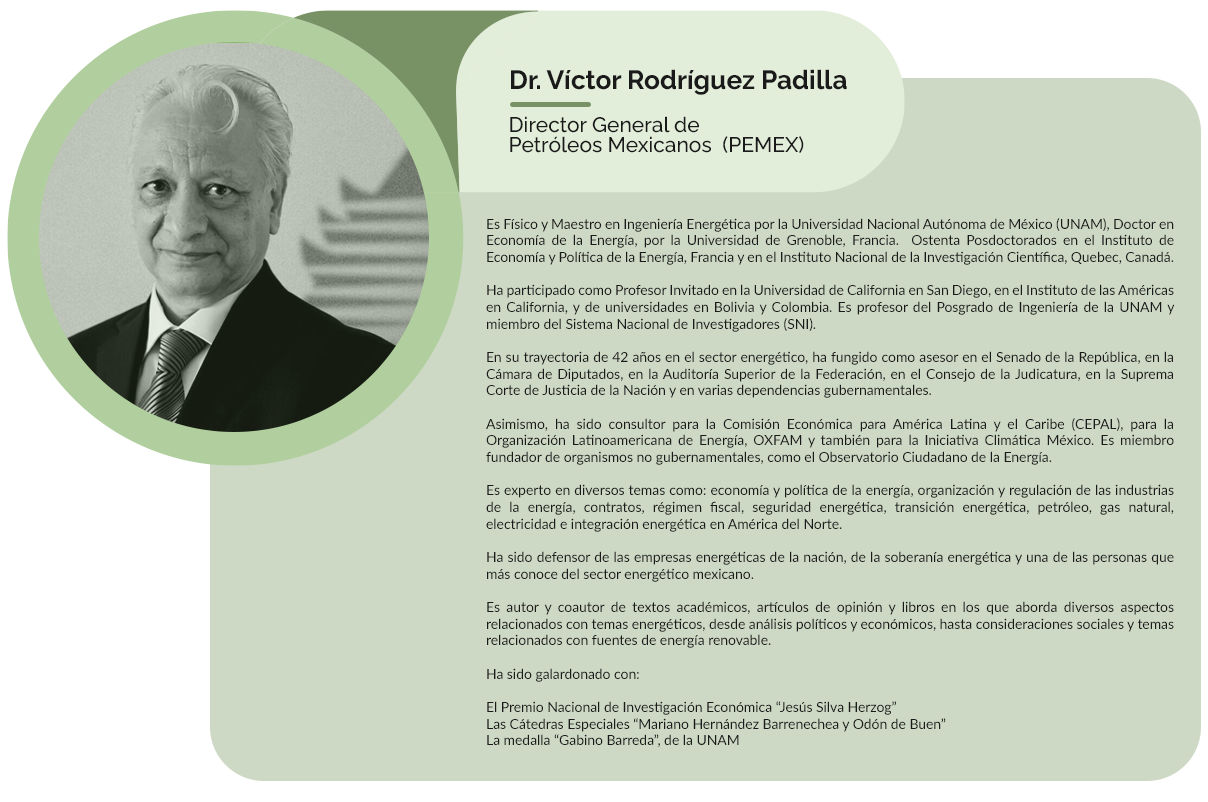
The situation highlights a recurring tension in Mexican politics: the balance between professional merit and the moral requirements of public service. Víctor Rodríguez Padilla’s career has been defined by his technical expertise in energy economics, a field where he has published extensively. However, the current public outcry reflects a shift in societal expectations, where allegations of interpersonal violence are increasingly viewed as disqualifying factors for high-level government appointments.
Legal Frameworks for Domestic Violence in Mexico
For those seeking to understand the legal process, it is important to note that domestic violence cases in Mexico are typically handled at the state level by specialized prosecution offices (Fiscalías Especializadas en Delitos de Violencia contra las Mujeres). According to the National Human Rights Commission (CNDH), victims have the right to file formal complaints, which trigger mandatory protective measures, including restraining orders. The burden of proof in these cases rests on the presentation of evidence—such as medical reports, witness testimony, and digital media—to a judge.
The following table outlines the standard procedural steps for domestic violence complaints in Mexico:
| Process Phase | Action Required | Responsible Entity |
|---|---|---|
| Reporting | Formal criminal complaint (Denuncia) | Local Prosecutor’s Office (Fiscalía) |
| Protection | Issuance of precautionary measures | Judicial Authority |
| Investigation | Evidence gathering and witness interviews | Public Ministry |
As this case continues to develop, the primary checkpoint for the public will be any potential announcement from the Office of the Attorney General regarding the opening of a formal investigation. The lack of an immediate, high-level administrative response has led to widespread public debate on social media, where advocates for domestic violence survivors continue to call for transparency and accountability. Readers interested in the official status of government officials can monitor the Official Gazette of the Federation (DOF) for any administrative changes or personnel updates.
We will continue to update this report as further verified information becomes available through official channels. Comments are invited for those wishing to discuss the broader policy implications of this story, provided they adhere to our community guidelines regarding respectful and evidence-based discourse.
Related reading