
In a significant development concerning the internal structure of the Russian Orthodox Church, Metropolitan Hilarion (Alfeyev) has been reassigned to a position in southern Brazil. This move follows a period of intense scrutiny and controversy surrounding the former head of the Department for External Church Relations. The reassignment marks a notable shift in the career of a figure who was once considered among the most influential prelates in the Moscow Patriarchate.
The transition follows reports of legal complications encountered by the Metropolitan during his travels in Europe. Specifically, the Metropolitan faced an investigation in the Czech Republic regarding allegations related to drug trafficking, an event that drew international attention to his ecclesiastical standing and personal conduct. According to official statements from the Church, the decision to relocate him to the Diocese of Argentina and South America—specifically to serve in Brazil—is part of a broader administrative restructuring, though observers note the timing coincides with his recent legal challenges in the European Union.
Legal Challenges and Ecclesiastical Reassignment
The situation involving Metropolitan Hilarion gained public prominence following his detention in the Czech Republic. The Czech authorities confirmed that an investigation was initiated into the clergyman, citing allegations of illicit substance trafficking. These legal proceedings have created a complex landscape for the Moscow Patriarchate, which has had to balance the Metropolitan’s long-standing service as its primary diplomat with the gravity of the accusations brought against him by foreign law enforcement agencies.
Following these events, the Holy Synod of the Russian Orthodox Church moved to finalize his reassignment. The shift to a remote diocese in South America serves as a practical measure to distance the central administration in Moscow from the ongoing legal proceedings in Europe. For the Church, this is a matter of maintaining institutional integrity while the former foreign minister of the church navigates a foreign legal system that remains independent of Russian influence.
Understanding the Role of the Moscow Patriarchate
To understand why this reassignment carries such weight, one must examine the role Metropolitan Hilarion previously held. As the head of the Department for External Church Relations, he acted as the “foreign minister” of the Russian Orthodox Church for over a decade. His responsibilities included managing high-level dialogues with the Vatican, the Ecumenical Patriarchate of Constantinople, and various global political entities. His transition from this central, power-brokering position to a regional role in the Southern Hemisphere represents a profound demotion in the hierarchy of the Church.
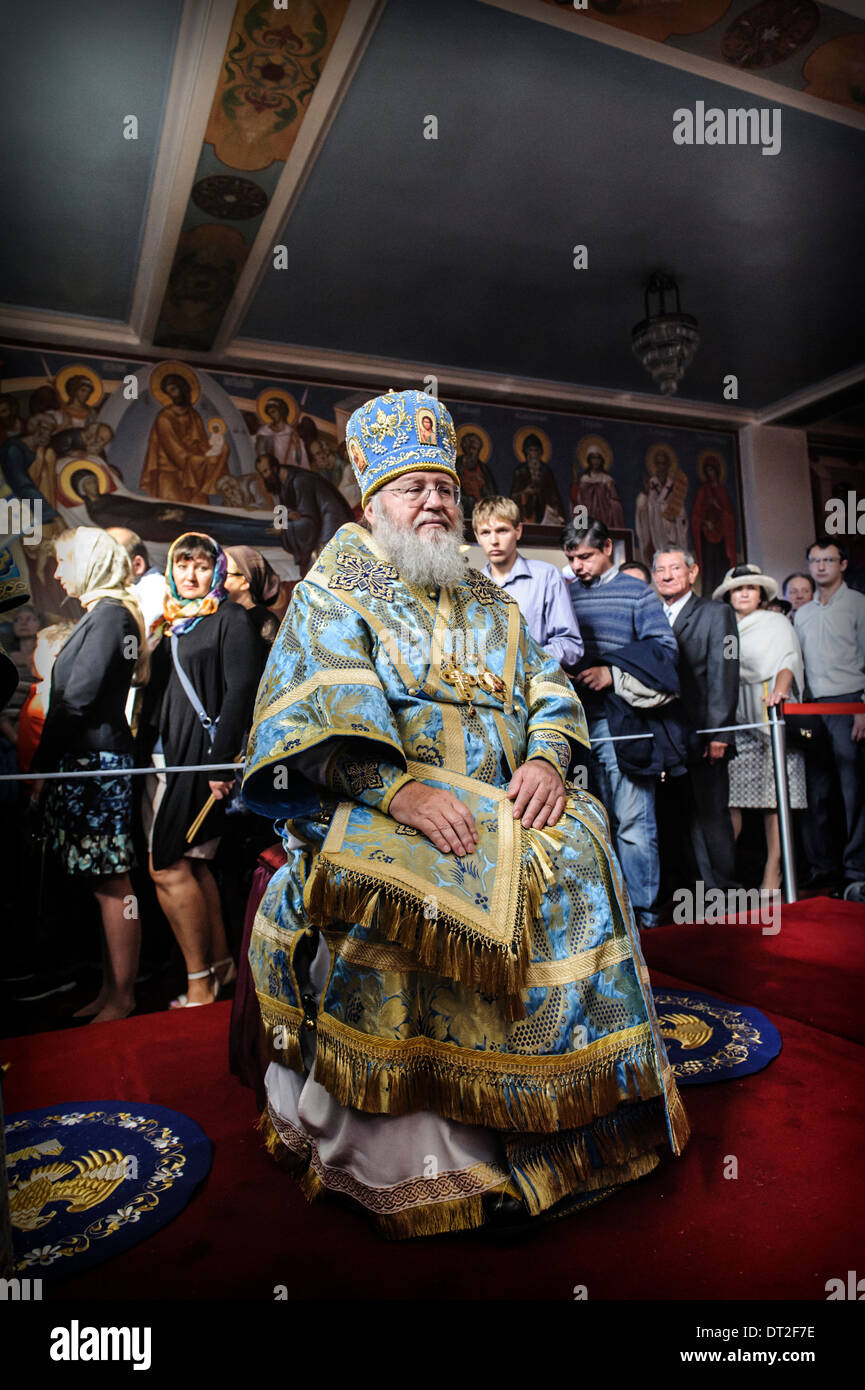
The Russian Orthodox Church, led by Patriarch Kirill, has maintained a policy of strict administrative control over its clergy. When high-ranking officials face scandal—whether personal, financial, or legal—the standard procedure often involves a swift removal from the center of power to a peripheral administrative unit. This strategy minimizes the reputational damage to the Patriarchate while providing the individual with a path to remain within the Church’s fold, provided they remain compliant with the central leadership.
The Impact on Global Church Relations
The reassignment of Hilarion is not merely an internal personnel change; it signals a potential cooling of the diplomatic efforts he once spearheaded. During his tenure, Hilarion was the primary architect of the Church’s engagement with the West. His absence from the international stage, coupled with the circumstances of his departure, leaves a void in the Church’s ability to conduct nuanced diplomacy in an increasingly polarized geopolitical climate.
the move to Brazil highlights the expansion of the Russian Orthodox Church’s interests in Latin America. While the diocese is considered a “hardship” post compared to the prestige of Moscow or the cultural centers of Europe, the Church continues to view the region as a growing mission field. By placing a figure of Hilarion’s stature in this region, the Church may be attempting to signal that its international priorities remain intact, even as it manages the fallout of a major scandal involving one of its most recognizable faces.
Looking Ahead: The Legal and Administrative Horizon
As of June 5, 2026, the legal status of Metropolitan Hilarion in the Czech Republic remains the primary variable in this ongoing narrative. He is subject to the requirements of the Czech judicial system, and any further developments regarding his case will likely dictate whether he remains in his new post in South America or if he is recalled to face further questioning or proceedings. The Church has not indicated that it will seek to intervene in the Czech legal process, opting instead to allow the local authorities to proceed with their investigation.

For observers of global religious affairs, the next major checkpoint will be any formal updates provided by the Czech prosecutor’s office or a subsequent announcement from the Holy Synod regarding the permanent nature of Hilarion’s assignment in Brazil. The Moscow Patriarchate has signaled that it expects its clergy to adhere to the laws of the countries in which they reside, a stance that will be tested as the legal process in Europe continues to unfold.
We will continue to monitor these developments as more information becomes available through official court filings and church communiqués. Readers are encouraged to share their insights on how this shift might alter the diplomatic trajectory of the Russian Orthodox Church in the comments section below.
Related reading