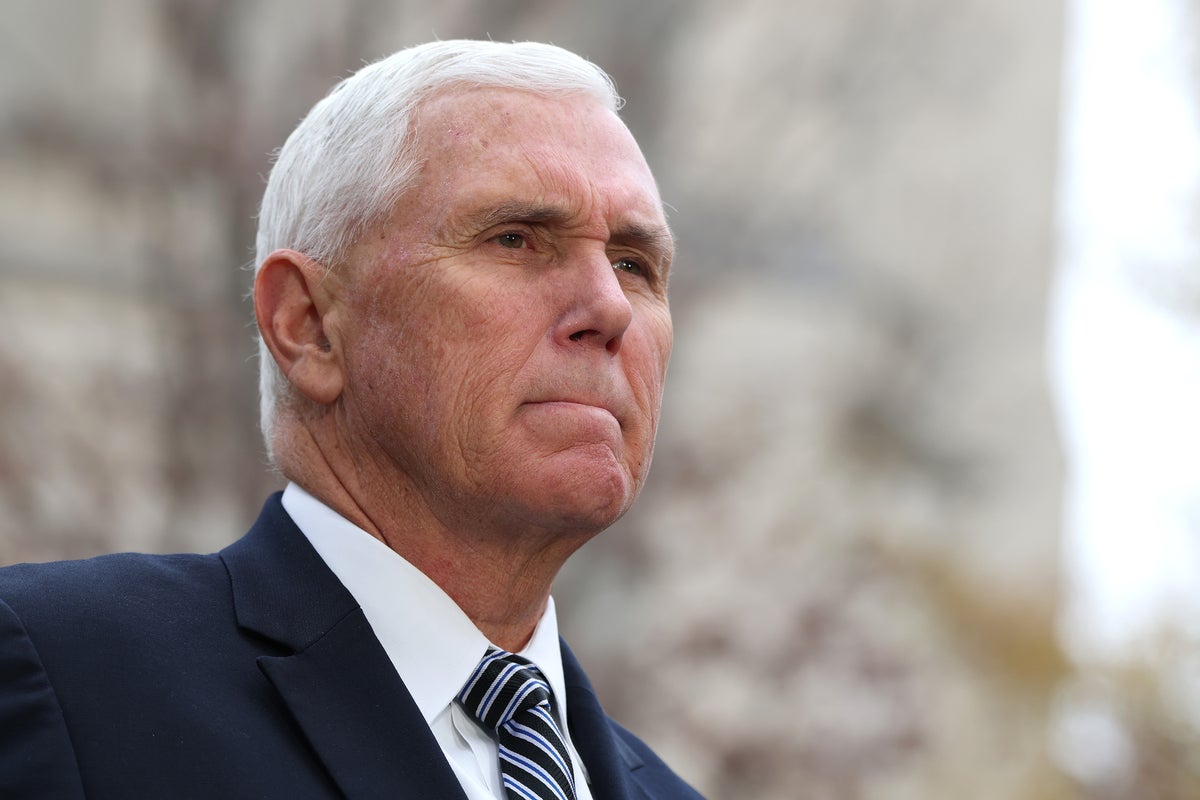
Former Vice President Mike Pence has publicly criticized proposals to establish a multi-billion-dollar fund aimed at supporting individuals involved in the January 6, 2021, attack on the U.S. Capitol. In remarks that underscore the ongoing political divide within the Republican Party, Pence characterized the suggestion of a financial support mechanism for those who breached the legislative complex as “deeply offensive.”
The former vice president, who was present at the Capitol on January 6 while the certification of the 2020 presidential election results was underway, faced direct threats during the riot. His recent comments highlight a sharp divergence from political allies who have advocated for clemency or financial aid for the defendants convicted in connection with the breach. According to the U.S. Department of Justice, more than 1,400 individuals have been charged in connection with the events of that day, with hundreds of convictions secured for offenses ranging from trespassing to seditious conspiracy.
A Deepening Divide Over January 6
The discourse surrounding a potential “slush fund” or financial support initiative for January 6 defendants has become a flashpoint in national political rhetoric. Pence’s opposition centers on the nature of the events at the Capitol, which he has consistently described as a dark day in American history. His assertion that the proposal is “unacceptable” reflects his stance that the rule of law must be upheld, particularly regarding those who engaged in violence against law enforcement officers and institutional processes.
While some political figures have sought to reframe the narrative around the Capitol breach—often describing the incarcerated defendants as “patriots” or “political prisoners”—Pence has maintained that the actions taken on January 6 were an assault on the democratic process. The legal proceedings continue to move through the federal court system, with the U.S. District Court for the District of Columbia overseeing the vast majority of these cases.
Legal and Political Implications
The concept of a dedicated fund for defendants raises significant questions regarding political fundraising, legal ethics, and the influence of interest groups on judicial outcomes. As the 2026 election cycle approaches, the treatment of January 6 defendants remains a contentious issue. Critics of the proposed fund argue that it incentivizes political violence, while proponents claim it is a necessary measure to assist those they believe were unfairly targeted by federal prosecutors.
For those interested in the official record of these cases, the Department of Justice provides ongoing updates regarding sentencing, plea agreements, and trial outcomes. As of mid-2026, the judicial process remains active, with new filings and sentencing hearings scheduled regularly. The distinction between political advocacy and legal defense funds remains a subject of intense scrutiny by campaign finance regulators and legal observers alike.
What Happens Next
The debate over financial support for Capitol riot defendants is expected to persist as a major theme in public discourse. Observers are closely watching for any formal legislative or organizational moves to establish such a fund, which would likely face immediate legal challenges and intense public scrutiny. The next major checkpoint for many of these cases involves upcoming appellate rulings and the continued processing of long-term sentencing requirements as determined by the courts.
As the conversation evolves, the perspectives of key figures like Mike Pence continue to shape the broader understanding of institutional integrity and the accountability of those involved in the Capitol attack. We welcome your thoughts on this complex issue. please share your comments and join the conversation in our reader forum below.
Related reading