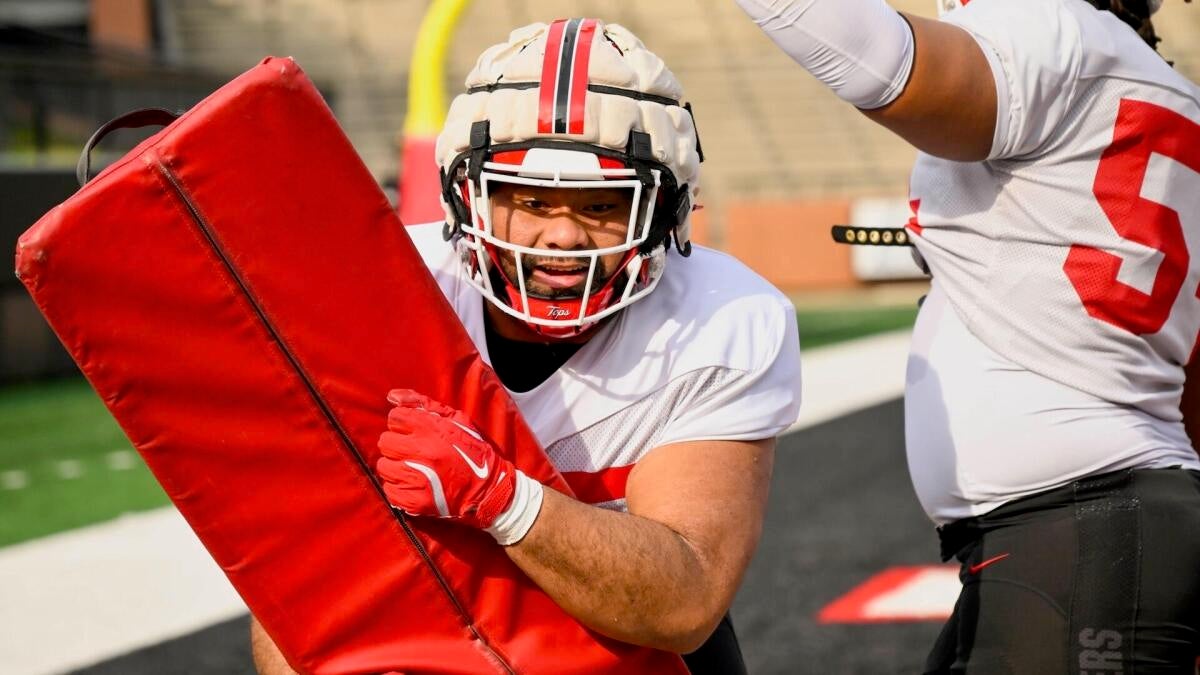
Former Western Kentucky University defensive lineman Victory Vaka has filed a lawsuit against the NCAA, challenging the organization’s transfer eligibility rules. Vaka, who seeks to utilize his final year of collegiate athletic eligibility at a new institution, contends that his departure from Western Kentucky was necessitated by extraordinary personal circumstances involving the death of his mother, rather than a traditional athletic transfer.
The legal action, filed in federal court, centers on the NCAA’s stringent transfer policies, which Vaka argues unfairly penalize student-athletes who must relocate due to significant family crises. Vaka’s suit asserts that the current regulatory framework fails to provide adequate flexibility for athletes experiencing documented personal hardships, effectively preventing them from continuing their academic and athletic careers under duress.
Legal Basis for the Challenge to NCAA Transfer Rules
At the core of the litigation is the request for an injunction that would allow Vaka to bypass standard NCAA transfer restrictions. According to court filings, Vaka maintains that he was forced to leave the Western Kentucky football program to manage personal affairs following the bereavement of his mother. The lawsuit argues that the NCAA’s refusal to grant an immediate waiver for his final year of eligibility constitutes an unreasonable restraint on his ability to pursue his education and professional athletic aspirations.
The NCAA has historically maintained that transfer regulations are necessary to protect the integrity of collegiate sports and maintain academic progress requirements. However, Vaka’s legal team argues that the application of these rules in cases of severe family trauma is arbitrary and violates the spirit of the association’s stated commitment to student-athlete well-being. This case adds to a growing list of legal challenges currently testing the limits of the NCAA’s authority over athlete mobility and NIL (Name, Image, and Likeness) rights.
Impact of Personal Hardship on Athletic Eligibility
Victory Vaka’s situation highlights a persistent tension between institutional policy and the lived realities of student-athletes. Following the loss of his mother, Vaka reportedly lost his scholarship status at Western Kentucky, a development that left him without the financial and structural support necessary to remain at the university. His legal representatives are characterizing this loss of support as a direct consequence of his inability to fulfill team obligations while mourning, a situation they argue warrants an exception under NCAA bylaws.
For many athletes, the loss of a scholarship during a personal crisis can effectively end a collegiate career. By seeking judicial intervention, Vaka is attempting to establish a precedent that would require the NCAA to account for bereavement and other significant life events when determining transfer eligibility. This is not the first time the NCAA has faced litigation regarding its waiver process, but it underscores the ongoing public and legal scrutiny regarding how athletic governing bodies handle the intersection of mental health and institutional requirements.
Next Steps in the Federal Litigation
The case is currently moving through the federal court system, where a judge will determine whether the NCAA must grant the requested waiver for Vaka to compete at another institution. The outcome of this litigation could have broader implications for how the NCAA manages transfer portals and hardship waivers for the thousands of student-athletes operating within the college football landscape.
As the legal proceedings continue, the focus remains on the upcoming court hearings where both parties will present arguments regarding the necessity of the transfer waiver. Observers of collegiate sports policy anticipate that the court’s ruling could influence future modifications to the NCAA’s transfer bylaws, particularly concerning how “extraordinary circumstances” are defined and adjudicated. Updates on the case will be provided as official court filings and scheduling orders become available. Readers are encouraged to share their perspectives on the balance between athletic governance and individual athlete welfare in the comments section below.
Worth a look