
Expanding Immigration Detention: A Deep Dive into Capacity, Conditions, and Concerns
The U.S.Immigration and Customs Enforcement (ICE) agency is dramatically expanding its detention capacity, raising serious questions about the conditions awaiting those caught in the immigration system. This surge in detention is fueled by recent legislation and a stated policy of increased deportations, but it’s unfolding amidst reports of substandard conditions and escalating concerns for detainee welfare.
A Rapid Expansion of Detention Infrastructure
Currently, ICE is poised to roughly double the nation’s immigration detention capacity. This expansion aims to reach between 80,000 and 100,000 detention beds, a significant increase from current levels. A key driver of this growth is the recent passage of a domestic spending bill providing ICE with an additional $45 billion over the next four years.
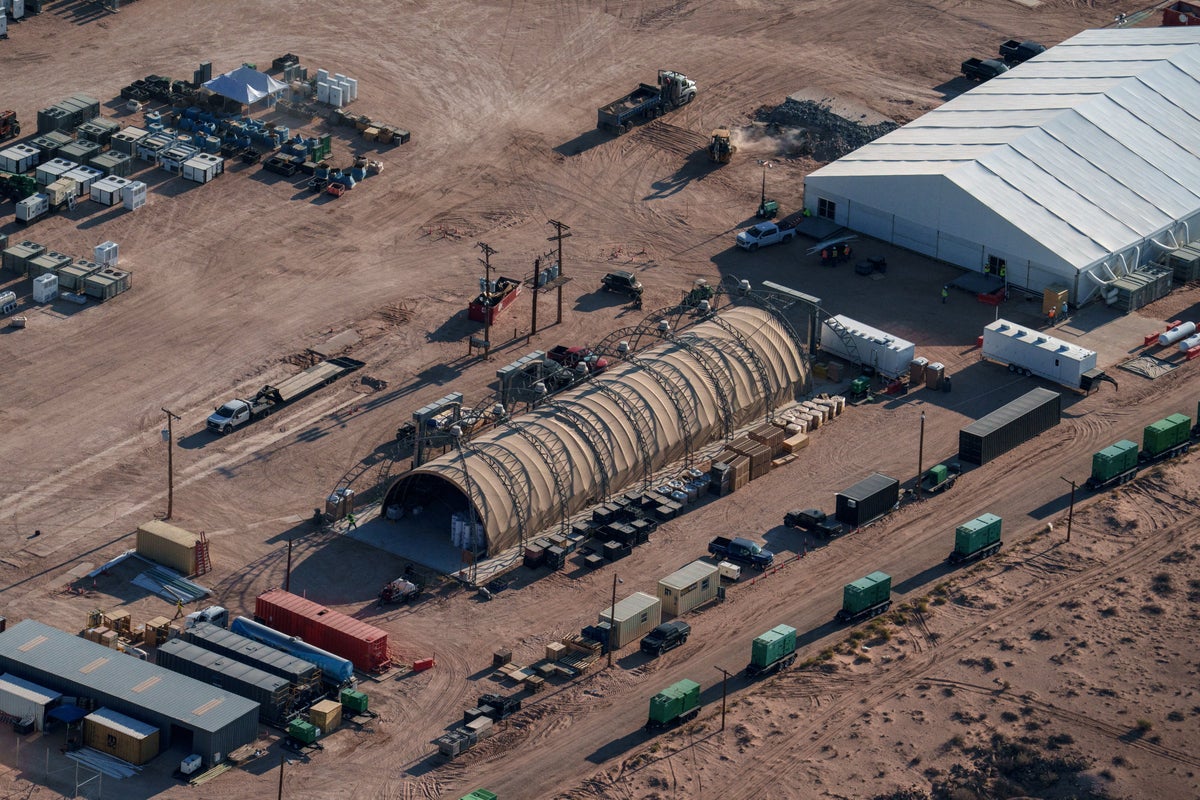
This funding is already being allocated to build new facilities, like Camp East Montana, one of ten reportedly planned across the country. These facilities are intended to support a more aggressive deportation policy, but their rapid construction and scale are raising red flags.
Mounting Evidence of Substandard Conditions
Reports from inspectors and advocates paint a troubling picture of conditions within existing detention centers. Numerous violations of federal detention standards have been documented at facilities like Fort Bliss, Texas, which currently holds thousands of migrants.
These concerns aren’t isolated. Recent examples highlight a systemic problem:
* Overcrowding: A leaked video from a New York City detention facility showed dozens of people lying on a cement floor with only emergency blankets, near restroom facilities.
* Denial of Legal Access: Detainees at a Florida facility allege they were deliberately cut off from their legal counsel, hindering their ability to navigate the complex immigration process.
* Perilous Environments: The opening of facilities dubbed “Alligator Alcatraz” in Florida has sparked outrage, raising concerns about the safety and dignity of those held within.
You deserve to understand the realities faced by individuals in these facilities, and the implications of this expansion.
A Rising Death Toll
Sadly, the deteriorating conditions are coinciding with a rise in detainee deaths. At least 12 people have died while in ICE custody this year alone. this puts the administration on track for one of the deadliest years in decades for individuals in federal immigration detention.
These deaths underscore the urgent need for greater oversight and accountability within the ICE detention system. It’s a stark reminder that detention isn’t simply a logistical issue, but a matter of human life and dignity.
What This Means for You
The expansion of immigration detention impacts not only those directly affected, but also the broader American public. Increased detention capacity comes at a significant cost to taxpayers. Furthermore, the conditions within these facilities raise serious ethical and legal questions about our commitment to due process and human rights.
As a concerned citizen, you can stay informed by:
* Following reputable news sources: Seek out in-depth reporting on immigration policy and detention conditions.
* contacting yoru elected officials: Voice your concerns about the expansion of detention and advocate for humane immigration policies.
* Supporting organizations: Donate to or volunteer with organizations that provide legal assistance and advocacy for immigrants.
The situation demands careful scrutiny and a commitment to ensuring that the U.S. immigration system upholds both the law and basic human rights.








![Sell Used iPhone: Get 10% Bonus & Top Payouts | [Your Brand Name]](https://i0.wp.com/photos5.appleinsider.com/gallery/66190-138789-gazelle-iphone-trade-in-bonus-2025-xl.jpg?resize=150%2C100&ssl=1 "Sell Used iPhone: Get 10% Bonus & Top Payouts | [Your Brand Name]")