
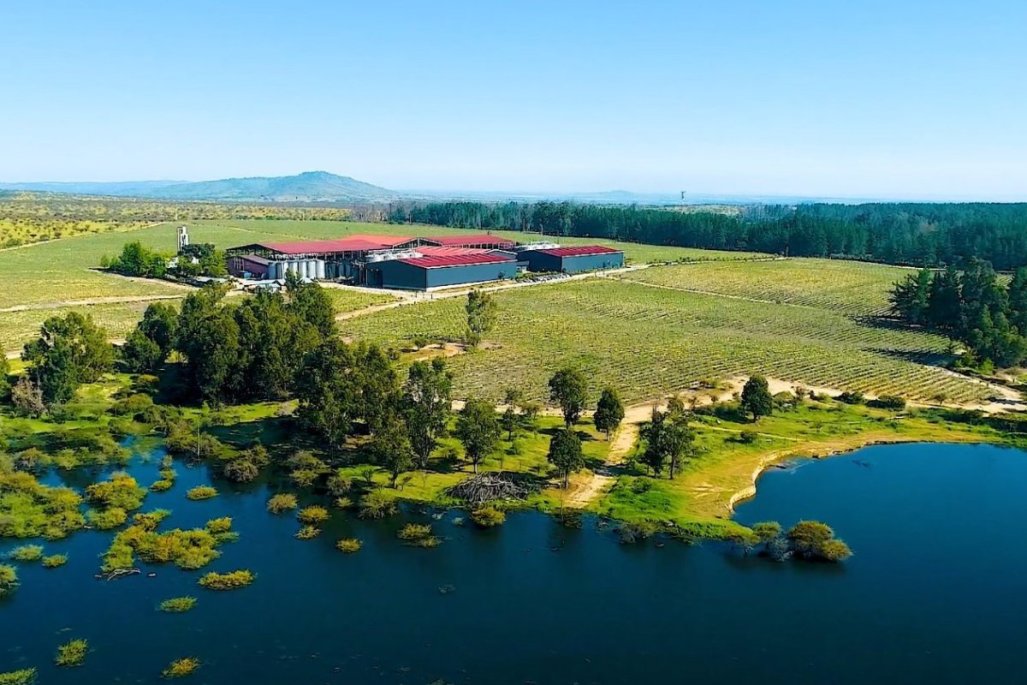
The Chilean wine sector, long recognized for its volume and consistency in the global market, is witnessing a strategic pivot toward high-value, boutique production. At the center of this shift is a bold US$ 32 million investment in a specialized vineyard project, signaling a broader trend of “premiumization” within South America’s second-largest wine exporter.
This capital injection is not merely an expansion of acreage but a calculated gamble on the luxury segment. By moving away from the mass-market approach that defined much of the region’s growth in the early 2000s, the project aims to capture the attention of discerning collectors and high-net-worth consumers in Asia, North America, and Europe.
As Chief Editor of Business at World Today Journal, I have tracked the movement of agricultural capital across the Southern Cone for nearly two decades. This specific move reflects a sophisticated understanding of current economic headwinds. as global demand for mid-tier wines softens, the luxury tier remains remarkably resilient. This investment underscores a belief that the Chilean terroir can compete not just on price, but on prestige.
The project, associated with the vision of the founder known as Fra Fra, represents a synthesis of traditional viticulture and modern financial scaling. By dedicating significant resources to infrastructure and sustainable technology, the venture seeks to redefine what a “boutique” operation looks like when backed by institutional-grade capital.
The Strategic Blueprint of the US$ 32 Million Investment
A US$ 32 million commitment in the viticulture space is substantial, particularly for a project focusing on niche, high-end labels. According to industry analysis of Chilean agribusiness trends, such investments are typically split between land acquisition, the implementation of precision irrigation, and the construction of gravity-flow wineries that minimize grape bruising and preserve aromatic integrity. These infrastructure upgrades are essential for producing wines that can command prices upwards of US$ 100 per bottle.
The financial logic here is based on margin expansion. While bulk wine exports are subject to volatile commodity pricing, luxury wines create a brand moat. By investing heavily upfront in the quality of the vine and the sophistication of the cellar, the owners are betting that the long-term brand equity will far outweigh the initial capital expenditure. This approach aligns with the broader Chilean agricultural sector’s shift toward high-value exports to diversify the national economy.
Beyond the physical assets, a significant portion of the investment is likely earmarked for market positioning. Breaking into the “ultra-premium” category requires more than a great vintage; it requires a narrative of exclusivity and a sophisticated distribution network that bypasses traditional supermarkets in favor of specialized importers and Michelin-starred restaurants.
Premiumization: The New Frontier for Chilean Wine
For years, Chile was viewed by the global market as the reliable provider of high-quality Cabernet Sauvignon at an accessible price point. However, the “premiumization” trend—the shift toward buying fewer but higher-quality bottles—has forced a rethink of the national strategy. This US$ 32 million venture is a prime example of this evolution.
The move toward luxury production allows Chilean vineyards to mitigate the risks associated with climate change and water scarcity. High-end vineyards often employ more expensive, sustainable water management systems and organic farming practices that are financially unfeasible for mass-market producers but are demanded by the luxury consumer. In a region facing prolonged droughts, the ability to invest in advanced hydrological technology is a competitive necessity.
the focus on “single-vineyard” or “limited-edition” releases allows the producer to leverage the unique characteristics of the soil and microclimate. This granularity is what allows a wine to move from a generic regional product to a luxury asset. When a vineyard invests tens of millions of dollars into this level of detail, they are essentially creating a “luxury brand” rather than a farming business.
Economic Impact and the Global Competitive Landscape
From a macroeconomic perspective, this investment highlights the continued attractiveness of Chile as a destination for agricultural capital despite global economic volatility. The Chilean wine industry is a critical component of the country’s non-mining exports, and the transition toward luxury goods helps insulate the sector from fluctuations in the price of copper, the nation’s primary export.
However, the competition is fierce. Chile is not the only region pivoting toward the high end. Napa Valley in the U.S., Bordeaux in France, and the emerging luxury regions of Argentina are all vying for the same limited pool of global collectors. For a new project to succeed with a US$ 32 million entry point, it must offer a distinct value proposition—likely a combination of sustainable certifications and a unique flavor profile that distinguishes it from the traditional “New World” style.
The success of this venture will likely be measured not by the volume of crates shipped, but by the critical acclaim from international wine critics and the pricing power the brand can maintain over the next decade. In the luxury world, scarcity is the primary driver of value.
Key Takeaways for Investors and Industry Observers
- Shift in Strategy: The investment signals a move from volume-driven growth to value-driven prestige in the Chilean wine market.
- Capital Allocation: The US$ 32 million is focused on high-end infrastructure and sustainability to meet the demands of the ultra-premium consumer.
- Market Resilience: Luxury wine segments tend to be more stable during economic downturns compared to mid-tier and bulk wines.
- Sustainability as Luxury: Advanced water management and organic practices are now core components of luxury vineyard investments in water-stressed regions.
What Happens Next?
The immediate focus for the project will be the maturation of the vines and the initial release of limited vintages. The industry will be watching closely to see if the market responds to this new high-capital entrant and whether it can successfully penetrate the competitive luxury markets of Asia and Europe.
The next critical milestone will be the first official tasting and critical review cycle, which typically serves as the catalyst for luxury brand valuation. We expect further updates on the project’s production capacity and export partnerships as the first full cycle of investment-backed harvests reaches the market.
Do you believe the luxury pivot is the only way for New World wines to survive the current economic climate? Share your thoughts in the comments below or share this analysis with your network.