The Renewed Fracking Debate in the UK: Risks, Realities, and Political implications
the UK’s energy landscape is onc again facing a familiar debate: fracking. Recent proposals to reinvigorate shale gas exploration have ignited controversy, raising concerns about environmental impact, public safety, and the long-term sustainability of energy policy. Let’s delve into the complexities of this issue, examining the history, the hazards, and the political currents driving the discussion.
A History of Seismic Activity
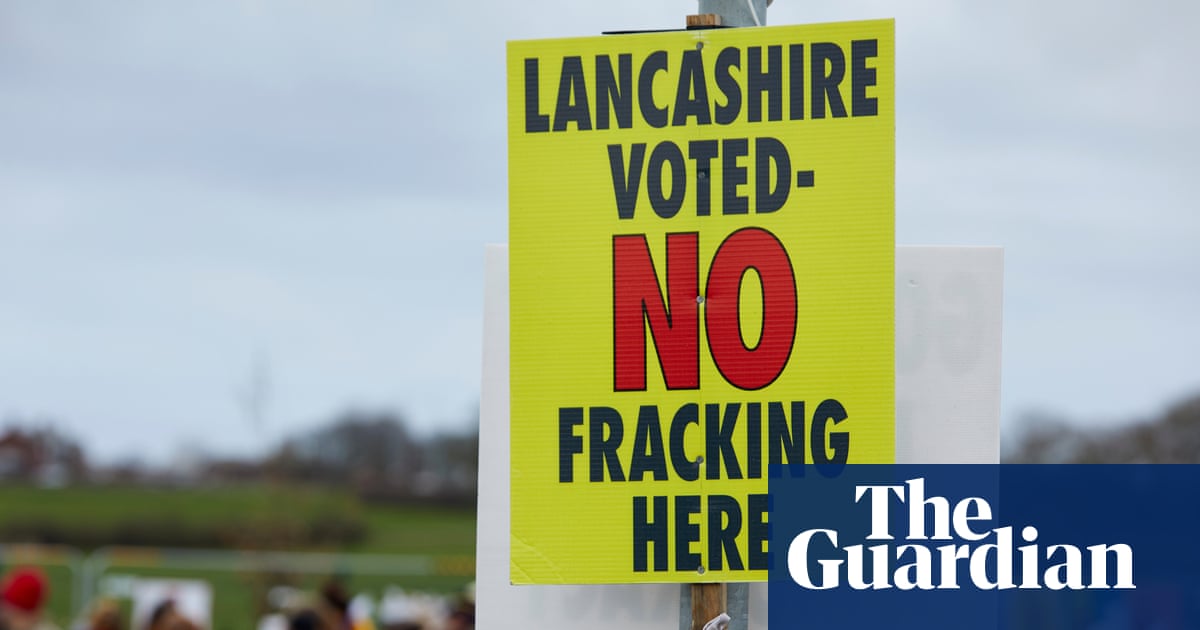
Previous attempts at fracking in the UK, specifically at the Preston New Road site in Lancashire, were met with important challenges. Residents experienced a series of earthquakes during operations in 2011, 2018, and 2019, resulting in over 200 reported instances of property damage across the Fylde area. Drilling was ultimately suspended following a 2.9 magnitude tremor.
These events underscore a critical point: fracking can induce seismic activity.While proponents often downplay the severity, comparing it to everyday occurrences, the reality is that induced seismicity poses a genuine risk to communities living near fracking sites.
Downplaying the Risks: A Matter of Outlook?
Recent commentary has attempted to minimize the significance of these past tremors. Claims that minor movements – like standing up or dropping a melon – generate comparable seismic events are misleading and fail to address the fundamental difference between naturally occurring tremors and those induced by industrial processes.
It’s crucial to understand that even relatively small, induced earthquakes can cause structural damage and significant distress to local populations.Moreover, the cumulative effect of repeated tremors can weaken infrastructure over time.
Beyond Earthquakes: Broader Environmental Concerns
The risks associated with fracking extend far beyond induced seismicity. Environmental campaigners, like Greenpeace, highlight a range of potential hazards, drawing on experiences from regions where fracking is more widespread, such as the United States. These concerns include:
Methane Leakage: Fracking can release methane, a potent greenhouse gas, into the atmosphere, exacerbating climate change.
Water Contamination: Improperly sealed wells can allow fracking fluids and methane to contaminate groundwater sources, posing risks to public health.
Toxic Pollution: The disposal of wastewater generated by fracking can lead to soil and water pollution with potentially harmful chemicals.
Increased Industrial Traffic: Fracking operations require significant truck traffic, leading to road damage and air pollution.
Political Motivations and Public Opposition
The renewed push for fracking is intertwined with current political strategies. Proposals to exploit shale gas reserves are being presented as a means to enhance energy security and reduce reliance on imported fuels.However, public opinion remains largely opposed to fracking.
Many communities, particularly those in areas where fracking licenses have been granted, are deeply concerned about the potential environmental and health impacts. This opposition is particularly strong in regions where local councils have already rejected fracking proposals.
The Economic Argument: Who Benefits?
A key question surrounding fracking is who stands to benefit. Critics argue that the economic advantages are often overstated and primarily accrue to fossil fuel companies,while the risks and costs are borne by local communities and the environment.
You should consider whether the potential economic gains outweigh the potential environmental and social consequences. A truly lasting energy policy requires a holistic assessment of costs and benefits, not just short-term economic gains.
Looking Ahead: A Path Towards Sustainable Energy
The debate over fracking underscores the urgent need for a comprehensive and sustainable energy strategy.investing in renewable energy sources,improving energy efficiency,and developing innovative storage solutions are crucial steps towards a cleaner,more secure energy future.
Ultimately, the decision to pursue fracking should be based on a thorough, obvious, and evidence-based assessment of the risks and benefits, with full consideration of the concerns of affected communities. Ignoring these concerns risks undermining public trust and jeopardizing the long-term sustainability of the UK’s energy system.
Worth a look