
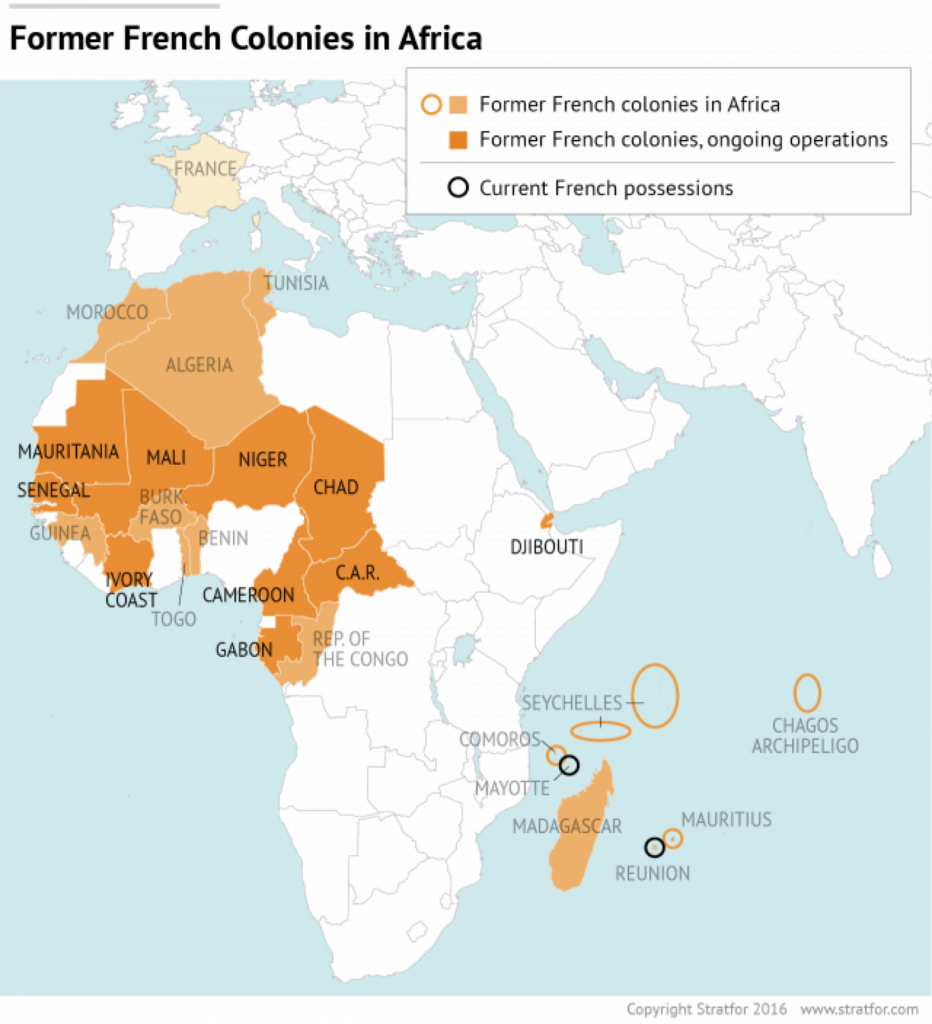
For years, French President Emmanuel Macron has positioned himself as the architect of a “refounded” relationship between France and the African continent. His rhetoric has consistently pivoted away from the paternalism of the past, emphasizing partnership, mutual respect, and a departure from the era of “Françafrique”—the complex, often opaque system of political and economic influence France maintained over its former colonies.
However, the gap between this diplomatic framing and the lived experience of many in Africa has become a focal point of intense international scrutiny. From the sudden expulsion of French troops in the Sahel to the enduring controversy surrounding the CFA franc, the tension is no longer confined to academic debates on neocolonialism; it is playing out in the streets of Niamey, Bamako, and Ouagadougou.
This friction was recently highlighted in a moment of interpersonal tension during a youth-focused event, where President Macron’s request for silence and order among attendees became a lightning rod for critics. For many observers, the interaction served as a microcosm of a larger struggle: a leader attempting to maintain a controlled narrative of progress while facing a generation—both in France and abroad—that is increasingly unwilling to accept the status quo of French influence in Africa.
The Youth Encounter: A Snapshot of Tension
The incident, which gained traction across social media and digital forums, involved President Macron interacting with a group of young people. During the exchange, as the environment became boisterous and attendees began to speak over one another or challenge the proceedings, Macron asked the audience to remain quiet to maintain the flow of the discussion. While such requests are common in moderated forums, the optics of the interaction were interpreted by critics as indicative of an authoritative style that mirrors France’s broader approach to its African partners.

The reaction to the clip underscores a deepening generational divide. To his supporters, Macron was simply managing a chaotic room to ensure a productive dialogue. To his detractors, particularly those attuned to the geopolitical tensions in West Africa, the gesture symbolized a desire for compliance over genuine, unfiltered engagement. This moment coincided with a period of heightened sensitivity regarding how France communicates with the Global South, where “listening” is often contrasted with “directing.”
The Legacy of Françafrique and the CFA Franc
To understand why a simple request for silence can ignite such fierce debate, one must look at the structural ties that bind France to several African nations. Central to Here’s the CFA franc, a currency used by 14 countries in West and Central Africa. While the currency provides a degree of monetary stability and keeps inflation low, it has long been criticized as a tool of monetary imperialism.
The CFA franc is pegged to the euro, and for decades, member states were required to deposit a significant portion of their foreign exchange reserves into the French Treasury. Although reforms were announced in late 2019 to phase out this requirement and transition the West African CFA franc (XOF) toward a new currency called the “Eco,” the process has been fraught with delays and political disagreements among member states of the West African Economic and Monetary Union (UEMOA).
Critics argue that the current arrangement limits the ability of African nations to set their own monetary policies and manage their own credit, effectively outsourcing their economic sovereignty to Paris. The persistence of the CFA franc is often cited by activists and political leaders in the region as evidence that France has not truly relinquished its colonial-era control, despite official declarations of partnership.
The Sahel Shift: From Military Presence to Departure
The most visible sign of the deteriorating relationship is the collapse of France’s military footprint in the Sahel. For years, France led Operation Barkhane, a counter-terrorism mission intended to stabilize Mali, Burkina Faso, and Niger. However, the mission became increasingly viewed not as a security asset, but as an unwanted foreign occupation.
A wave of military coups across the “junta belt” has led to a rapid reversal of French influence. In Mali, French forces were forced to withdraw in 2022 after the ruling military junta demanded their departure. Burkina Faso followed a similar trajectory, with French troops leaving in early 2022. The most significant blow came in Niger, where a July 2023 coup led to the total withdrawal of the remaining 1,500 French soldiers by December 2023, as reported by Reuters.
These withdrawals are more than just tactical military shifts; they represent a systemic rejection of the “security-first” approach championed by Paris. The new military governments in these nations have pivoted away from France, seeking new security partnerships with Russia and other global powers, signaling a desire to diversify their international dependencies and end the era of exclusive French oversight.
Key Dimensions of the France-Africa Conflict
| Issue | French Official Position | Regional Critic Perspective |
|---|---|---|
| Military Presence | Providing security and counter-terrorism support. | Maintaining neocolonial control and strategic bases. |
| CFA Franc | Ensuring monetary stability and low inflation. | Siphoning reserves and limiting economic autonomy. |
| Diplomacy | Refounding relations based on equality. | Maintaining “Françafrique” through elite networks. |
| Governance | Promoting democratic stability. | Supporting “friendly” autocrats to protect interests. |
What This Means for the Future of Global Diplomacy
The friction surrounding President Macron’s interactions—whether with youth in a forum or with heads of state in Africa—reflects a broader global trend: the decline of traditional Western hegemony. The demand for “sovereignty” is no longer just a political slogan; it is a driving force behind policy shifts in the Global South.
For France, the challenge is no longer just about changing the vocabulary of diplomacy. The transition from a “patron-client” relationship to a genuine partnership requires structural changes, including the full implementation of monetary reforms and a willingness to accept a diminished role in the security architecture of the Sahel. The “silence” Macron requested at the youth event may be a temporary request for order, but the noise coming from the streets of West Africa is a permanent demand for change.
As the international community watches the evolution of the “Eco” currency and the redistribution of power in the Sahel, the litmus test for the Macron administration will be whether France can move beyond the legacy of the 20th century to find a place in a multipolar 21st century.
Next Checkpoint: International observers are closely monitoring the upcoming meetings of the UEMOA to determine the actual timeline for the transition to the Eco currency and the final removal of French representatives from the currency’s governing boards.
Do you believe the transition to the Eco currency will truly grant African nations economic independence, or is it a rebranding of the same system? Share your thoughts in the comments below.