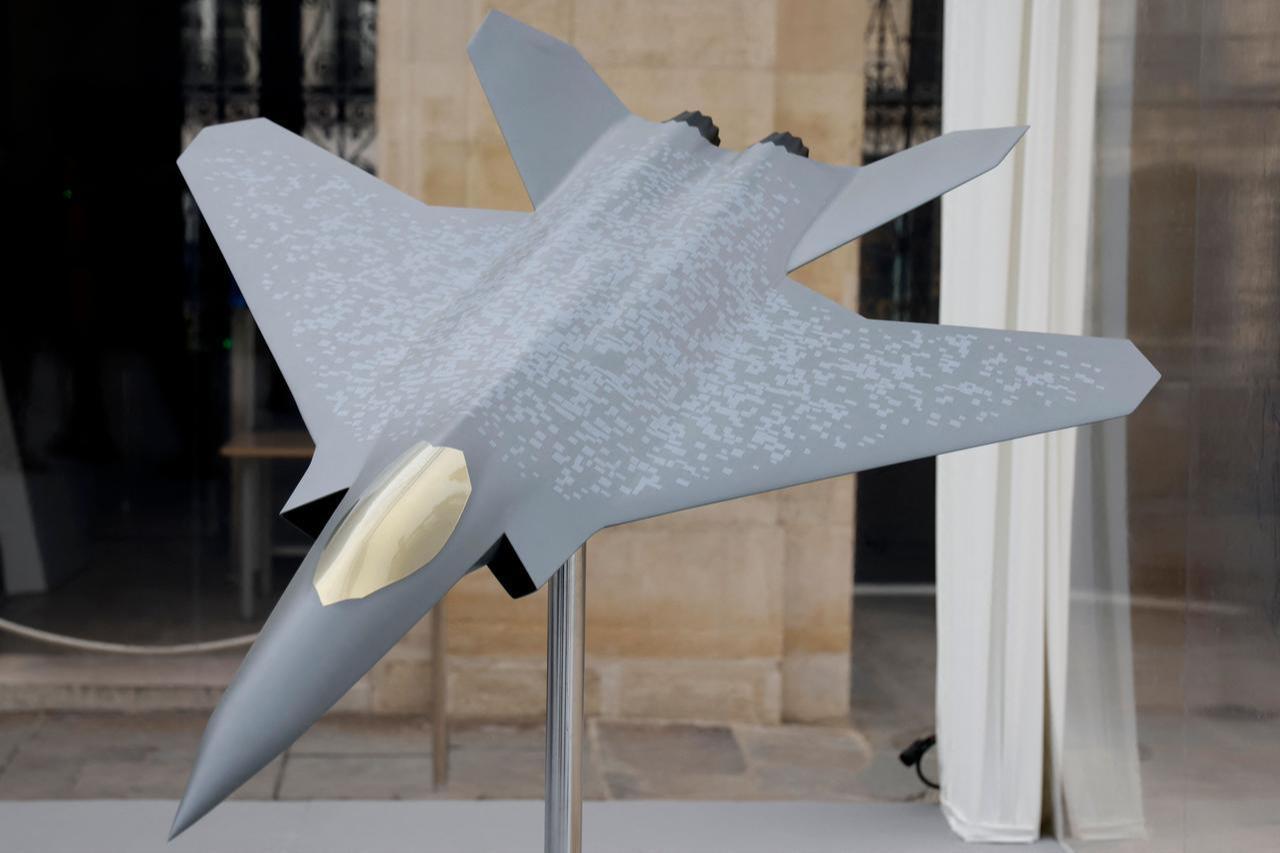
France and Germany have faced recurring challenges in their collaborative efforts to develop next-generation aerial defense capabilities, a project often referred to as the Future Combat Air System (FCAS). While reports have periodically surfaced regarding the status of this joint venture, the initiative remains a complex industrial and political undertaking involving major aerospace entities such as Dassault Aviation and Airbus, operating under the oversight of both the French and German governments. These efforts are part of a broader European strategy to achieve greater strategic autonomy in defense, though the path to integrating national industrial interests has proven difficult to navigate.
The Future Combat Air System, or FCAS, is designed to replace aging fleets of Rafale and Eurofighter jets. According to the French Ministry of the Armed Forces, the project aims to create an interconnected system of manned and unmanned aircraft. The development timeline is extensive, with initial operational capability currently targeted for the 2040s. The program requires balancing the specific requirements of the French military, which emphasizes carrier-based operations, with the broader European requirements favored by Berlin.
The Industrial Challenges of European Defense Cooperation
At the heart of the friction between Paris and Berlin lies the division of labor between industrial giants. The project requires a delicate balance of intellectual property rights and manufacturing shares. As noted by the Council of the European Union, defense cooperation within the bloc is frequently hampered by differing national procurement schedules and industrial protectionism. For France, maintaining the technical expertise of Dassault Aviation is a non-negotiable priority, while Germany has consistently pushed for a more equitable distribution of work packages to support its own aerospace sector.

These industrial tensions are not new. Disputes over flight control systems and the overall design leadership have previously stalled the development phases. Despite these hurdles, both nations have repeatedly reaffirmed their commitment to the program, viewing it as essential for maintaining a credible European deterrent. The complexity of the project is compounded by the need to manage the expectations of other partners, including Spain, which joined the consortium to ensure the program reflects a truly multinational European effort.
Strategic Autonomy and the Future of the FCAS
The drive for a European-built combat jet is fundamentally tied to the continent’s goal of reducing reliance on non-European military technology, particularly from the United States. The European External Action Service emphasizes that developing sovereign industrial capabilities is a cornerstone of the European Security and Defence Strategy. However, the reliance on national budgets means that any delay in the program often triggers intense domestic scrutiny regarding value for money and industrial competitiveness.
For observers of the European aerospace sector, the project serves as a barometer for the health of the Franco-German partnership. When the two largest economies in the European Union struggle to align their defense industrial policies, it raises questions about the feasibility of similar integrated projects. The current status of the program involves ongoing negotiations to finalize the next phase of development, known as Phase 1B, which focuses on research and technology maturation.
What Happens Next for European Aerial Defense
The next major checkpoint for the program involves the successful transition into the demonstrator phase. Officials from both the French DGA (Direction générale de l’armement) and the German Federal Ministry of Defence are expected to continue high-level meetings to resolve remaining bottlenecks in work-sharing agreements. The progress of these discussions is typically reported through official ministerial channels, providing the only verified updates on the project’s trajectory.

As the geopolitical environment in Europe continues to shift, the pressure to deliver a functional, next-generation combat system remains high. Stakeholders are watching to see if the collaborative model can withstand the competing industrial and strategic interests of the participating nations. For those interested in the official development of European defense policy, updates are regularly provided through the French Ministry of the Armed Forces and the German Federal Ministry of Defence websites.
We welcome your insights on the future of European defense cooperation. Please share your thoughts or join the conversation in the comments section below.