
## France’s Budget Impasse: Navigating Political Turmoil and Fiscal Challenges
France is currently facing a meaningful political and economic hurdle as its parliament grapples with the approval of the 2026 budget. A recent, almost unanimous rejection of the income section of the budget bill by the National Assembly has thrown the nation’s fiscal future into uncertainty. This isn’t simply a budgetary disagreement; it’s a symptom of deeper political instability following President Emmanuel Macron‘s decision to call snap elections, resulting in a fragmented parliamentary landscape. Understanding the intricacies of this situation – the pressures to reduce the budget deficit, the parliamentary procedures, and potential outcomes – is crucial for investors, policymakers, and anyone interested in the health of the French economy.
## The Unprecedented Rejection & Its Implications
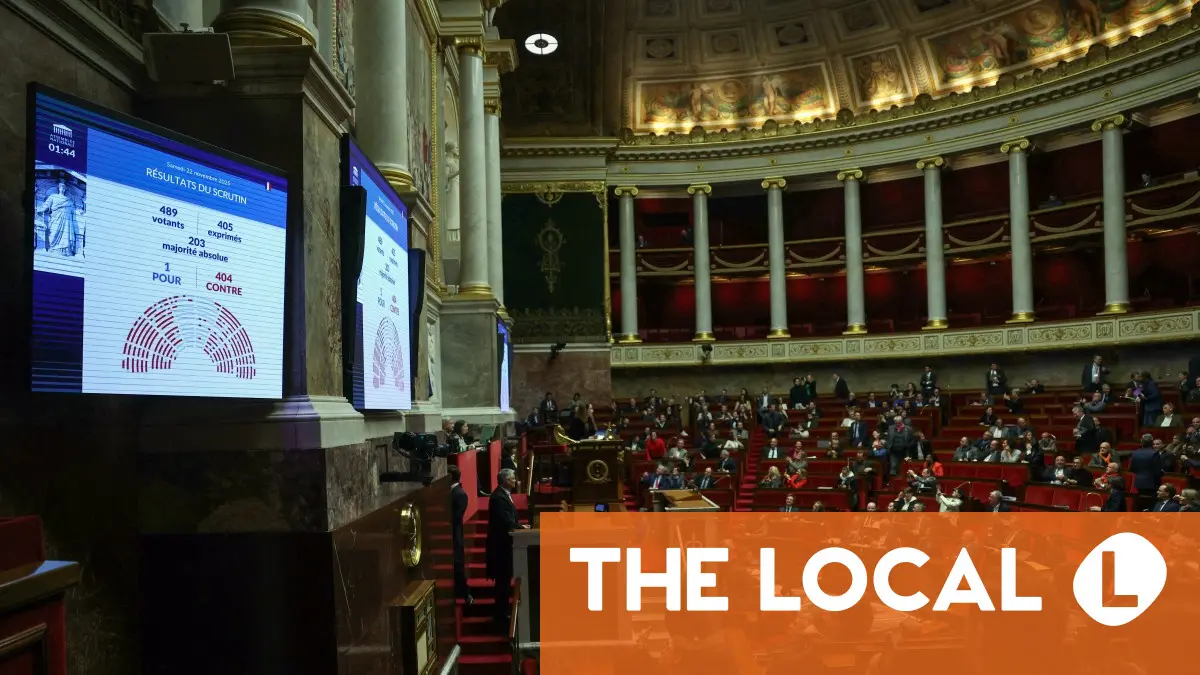
On Saturday, November 22nd, 2025, the French National Assembly delivered a resounding blow to the government’s proposed budget. With 404 votes against and only one in favor, the taxation portion of the budget bill was rejected after an extensive 125 hours of debate – a level of opposition unprecedented as the establishment of France’s Fifth Republic in 1958. A substantial 84 members abstained, many from within the government’s own coalition. This dramatic vote underscores the challenges Macron’s administration faces in navigating a deeply divided parliament. The core issue revolves around the need to address France’s budget deficit, which currently stands at 5.5% of GDP (as of Q3 2025, according to INSEE data), exceeding the European Union’s 3% limit. The rejection highlights the difficulty in achieving consensus on how to implement necessary austerity measures.
## What Happens Next? The Parliamentary Path Forward
The rejected bill now moves to the Senate, were it will be debated and potentially amended. Following the Senate’s review, a joint parliamentary committee – comprised of members from both houses – will be tasked with reconciling any differences and reaching a compromise. This process is frequently enough fraught with negotiation and potential deadlock. If both chambers fail to agree on a final budget bill by the year’s end, the government has a couple of options. They could resort to using a constitutional decree to push the budget through, although Prime Minister Sebastien Lecornu has publicly pledged to avoid this controversial tactic, mindful of the fate of previous administrations that faced political fallout for employing it. Alternatively,the government could temporarily extend the 2025 budget,providing more time for debate and negotiation in 2026. This latter option, while offering a short-term solution, risks further delaying crucial fiscal reforms.
several secondary keywords are relevant here: French fiscal policy, parliamentary procedure France, deficit spending France, and French government spending. Understanding these terms provides a broader context to the current situation. LSI keywords like ‘national debt’, ‘economic stability’, and ‘austerity measures’ further enrich the content and improve search engine understanding.
## A Pledge to Avoid Controversial measures & Minister’s Optimism
Prime minister Lecornu’s commitment to refrain from using Article 49.3 of the French Constitution – a mechanism allowing the government to bypass a parliamentary vote – is a significant concession. This move aims to foster a more collaborative environment and avoid the political turmoil that plagued previous administrations. Finance Minister Roland Lescure expressed optimism on social media platform Bluesky, stating his conviction that a compromise remains achievable. He emphasized the need for parliamentary groups to find common ground to ensure the country has a budget and can approach 2026 with “stability and clarity for our businesses and fellow citizens.” However, achieving this consensus will require significant compromise from all sides, particularly regarding proposed tax increases and spending cuts. Recent analysis from the Center for Economic Policy Research suggests that France’s economic growth is heavily reliant on successful implementation of fiscal reforms, making a timely budget agreement paramount.
## Beyond the Headlines: Addressing Underlying Economic Concerns
The current budget impasse isn’t isolated
![Unlock Flavor: A Guide to Enhancing Meals with [Keyword – e.g., Herbs, Spices, Salt]](https://i0.wp.com/scx2.b-cdn.net/gfx/news/hires/2025/food.jpg?resize=150%2C150&ssl=1 "Unlock Flavor: A Guide to Enhancing Meals with [Keyword – e.g., Herbs, Spices, Salt]")
Unlock Flavor: A Guide to Enhancing Meals with [Keyword – e.g., Herbs, Spices, Salt]
AI Toy Bear Controversy: Sex, Violence & Drug References Raise Concerns


Related Posts

Latin America & the US-China Trade War: Opportunities & Strategy
December 23, 2025
Umrah Guide: Etiquette & Spiritual Preparation for Visiting Mecca
December 23, 2025


![The Odyssey Trailer: First Look & Breakdown | [Year] Release Date](https://i0.wp.com/spotlightreport.net/wp-content/uploads/2025/12/the-odyssey.jpg?resize=150%2C100&ssl=1 "The Odyssey Trailer: First Look & Breakdown | [Year] Release Date")

