Navigating teh Complex Path to Peace in Gaza: A New Resolution and emerging Challenges
A new United Nations Security Council resolution aiming to establish a ceasefire and long-term stability in Gaza is currently under consideration. this proposal, spearheaded by the United States, arrives amidst ongoing diplomatic efforts and a competing resolution put forth by Russia. Understanding the nuances of both plans is crucial as the region navigates a deeply sensitive and volatile situation.
The U.S. Resolution: A Phased Approach to Security
The U.S.-led resolution outlines a multi-phased approach centered around a stabilization force deployed in Gaza. This force would play a pivotal role in several key areas:
* Demilitarization: Ensuring the dismantling of weapons held by non-state armed groups, notably Hamas, is a central objective.
* Border Security: Collaborating with a trained and vetted Palestinian police force to secure Gaza’s borders.
* Humanitarian Aid: Facilitating the secure and efficient delivery of vital humanitarian assistance to the population.
* coordination: Working closely with Egypt and Israel to ensure regional cooperation and security.
Crucially, the resolution authorizes the stabilization force to utilize “all necessary measures” – standard UN language permitting military force – to fulfill its mandate, while remaining compliant with international law.
Israeli forces would begin a phased withdrawal from Gaza, contingent upon verifiable progress in demilitarization. This withdrawal would be coordinated with the stabilization force, the U.S., and the guarantors of the ceasefire agreement.
Russia’s Counter-Proposal: A Focus on Palestinian Statehood
Russia has presented an alternative resolution with a different emphasis. It strongly advocates for the establishment of a fully sovereign Palestinian state alongside Israel.
Key elements of the Russian proposal include:
* Unified palestinian territory: It insists on uniting the west Bank and Gaza under the authority of the Palestinian Authority.
* International Security Force: It requests the UN Secretary-General to explore options for an international force to secure Gaza and implement the ceasefire.
* security Council oversight: It emphasizes the importance of a prominent role for the UN Security Council in the process.
This proposal notably omits references to a transitional governing board, a feature present in the U.S. draft.
The Human Cost and Ongoing Concerns
The situation in Gaza remains dire. Reports from the Gaza Health Ministry indicate a significant number of casualties, with the majority being women and children. It’s vital to note that the ministry does not differentiate between civilian and combatant deaths.
Disarming hamas presents a significant challenge. The group has not yet fully committed to demilitarization, raising questions about the feasibility of implementing this crucial aspect of the U.S.resolution.
What Does This mean for You?
You might be wondering how these developments impact the broader geopolitical landscape.These resolutions represent critical attempts to de-escalate a long-standing conflict and establish a framework for lasting peace. However, achieving a sustainable solution requires navigating complex political realities, addressing the legitimate security concerns of all parties involved, and prioritizing the urgent humanitarian needs of the Gazan population.
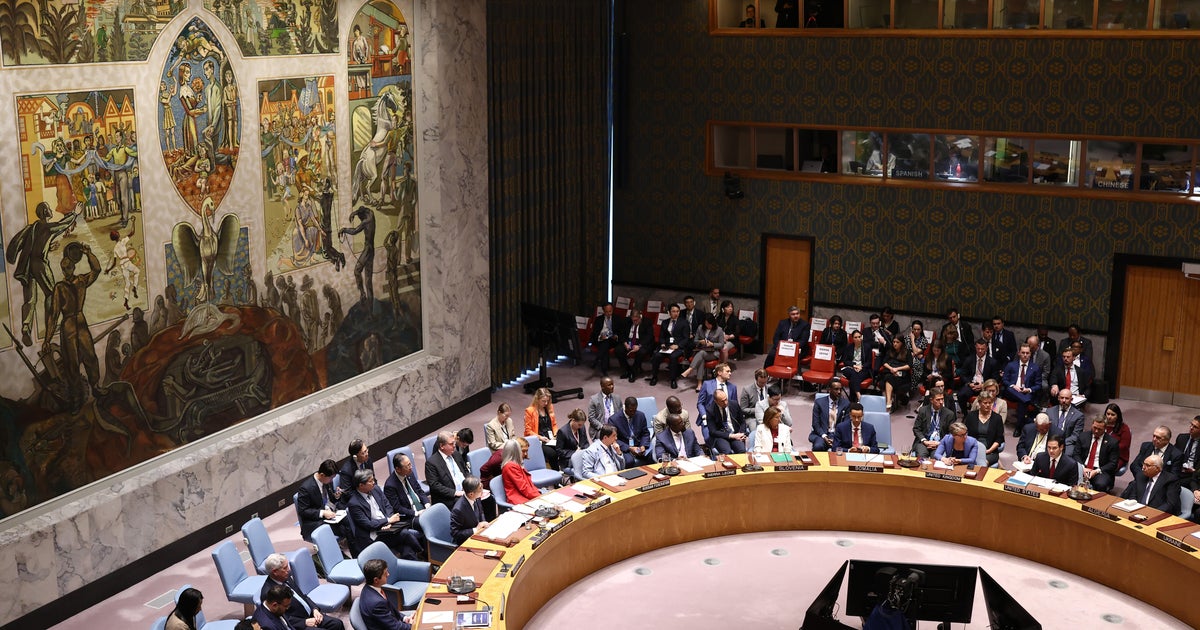
The coming days will be pivotal as the Security Council deliberates and seeks to forge a consensus. The path forward is fraught with challenges, but the pursuit of a peaceful resolution remains paramount.
Related reading