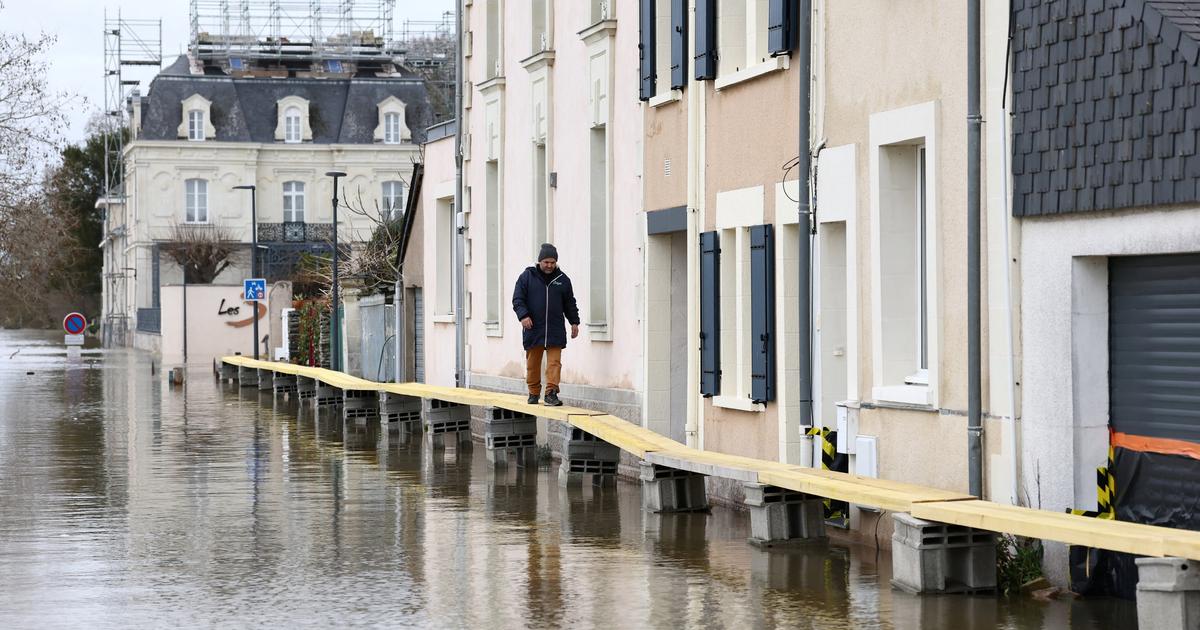
France Faces Extensive Flood Damage Claims as Hundreds of Communes Seek Disaster Status
The recent severe flooding across western France has prompted nearly 270 additional communes to request recognition as being in a state of natural disaster, adding to the 294 already designated as such. The announcement, made Friday by French Interior Minister Laurent Nuñez, underscores the widespread impact of the February floods and the growing need for governmental assistance and long-term adaptation strategies. The requests, spanning 16 departments, will be reviewed by an interministerial commission on March 3rd and 10th, according to officials. This surge in applications highlights the increasing vulnerability of French communities to extreme weather events, a trend widely linked to climate change.
The scale of the damage is significant, with communities like Cheffes in Maine-et-Loire facing complete evacuations. While thankfully no lives were lost in Cheffes, the experience left residents deeply shaken, as described by Mayor Marc Dutruel, who expressed exhaustion but relief at the successful preventative measures taken. The situation underscores the critical importance of early warning systems and proactive evacuation protocols in mitigating the impact of these increasingly frequent and intense weather events. The French government is now focused on expediting aid and bolstering preventative measures to protect citizens, and infrastructure.
Record-Breaking Flooding and Government Response
February’s flooding in France was exceptional in both its intensity and duration. Vigicrues, the French national flood forecasting service, reported a record 14 consecutive days under “red vigilance” for flooding, a testament to the severity of the situation. The initial alerts were issued in Gironde and Lot-et-Garonne, gradually extending northward to encompass Loire-Atlantique and Maine-et-Loire. Preventative evacuations were implemented in several prefectures, including the relocation of approximately 1,500 people in Lot-et-Garonne and between 850 and 900 individuals in Maine-et-Loire.
Minister Nuñez’s announcement came during a visit with Monique Barbut, the Minister for Ecological Transition, to Angers and Cheffes, two of the hardest-hit areas. The visit served to demonstrate the government’s commitment to addressing the crisis and assessing the damage firsthand. The focus now shifts to the upcoming commission meetings, where the fate of these 270 communes will be decided. Recognition as a “zone de catastrophe naturelle” (natural disaster zone) unlocks access to crucial financial aid for affected residents and businesses, facilitating repairs and reconstruction efforts.
Regional Breakdown of Affected Areas
The impact of the flooding is not evenly distributed across the affected regions. According to available data, 63 communes in Lot-et-Garonne, 77 in Maine-et-Loire, and 91 in Gironde have already been officially recognized as natural disaster zones. These three departments represent a significant concentration of the damage, and the additional 270 requests are expected to further strain resources. The interministerial commission will need to carefully evaluate the specific circumstances in each commune to determine eligibility for disaster relief.
The situation in Cheffes, a small community of approximately 1,000 residents that was entirely evacuated, exemplifies the challenges faced by many of these communes. The mayor’s emotional response to the support received from the ministers highlights the profound impact of the flooding on local communities. The successful preventative measures implemented in Cheffes, utilizing advanced software to predict the flood’s progression, served as a model for other areas, demonstrating the potential of proactive planning and technology in mitigating disaster risk.
Adapting to a Changing Climate
The current crisis has reignited the debate surrounding France’s preparedness for the impacts of climate change. Minister Barbut emphasized the need for increased investment in adaptation measures, particularly in flood prevention. She highlighted the success of the Angers agglomeration’s approach, which utilizes computer simulations to anticipate flood events and proactively warn residents. This model, she suggested, should be replicated in other vulnerable areas.
Barbut announced that a significant portion of funding from the “Fonds Vert” – a fund dedicated to ecological transformation – will be directed towards climate adaptation, with a specific focus on doubling the budget allocated to flood prevention. This commitment signals a shift in priorities, recognizing that mitigating the effects of climate change requires not only reducing greenhouse gas emissions but similarly investing in resilience and preparedness. The government’s response reflects a growing understanding that extreme weather events are becoming more frequent and intense, necessitating a comprehensive and proactive approach to risk management.
Looking Ahead: Commission Review and Aid Distribution
The upcoming meetings of the interministerial commission on March 3rd and 10th are crucial for determining the extent of the aid that will be provided to the affected communes. The commission will assess the damage, evaluate the requests for disaster status, and make recommendations for financial assistance. The process is expected to be thorough and transparent, ensuring that resources are allocated effectively to those most in need.
Once the disaster status is officially confirmed, residents and businesses will be able to apply for financial aid to cover the costs of repairs, reconstruction, and lost income. The government has pledged to expedite the aid distribution process, recognizing the urgency of the situation. However, navigating the bureaucracy and accessing the necessary funds can be challenging for those affected, and support will be needed to ensure that everyone receives the assistance they are entitled to.
The situation in western France serves as a stark reminder of the growing threat posed by climate change and the importance of investing in adaptation measures. As the interministerial commission prepares to review the requests for disaster status, the focus remains on providing immediate relief to those affected and building a more resilient future for vulnerable communities. The next official update regarding aid distribution is expected following the commission’s meetings on March 3rd and 10th.
We encourage readers to share their experiences and perspectives on the flooding in the comments below. Your insights are valuable as we continue to report on this evolving situation.
Related reading
- Summer Sound 2026: Highlights and Guide to Liepaja’s Biggest Summer Festival
- Dortmund’s Maatsen Pursuit & Ohio State Star’s Alabama Rivalry Explained
- Waze & Google Maps Now Prioritize Eco-Friendly Routes in France (archynewsy.com)
- France and Italy Tighten Borders After Massive Migrant Surge in Ceuta (time.news)