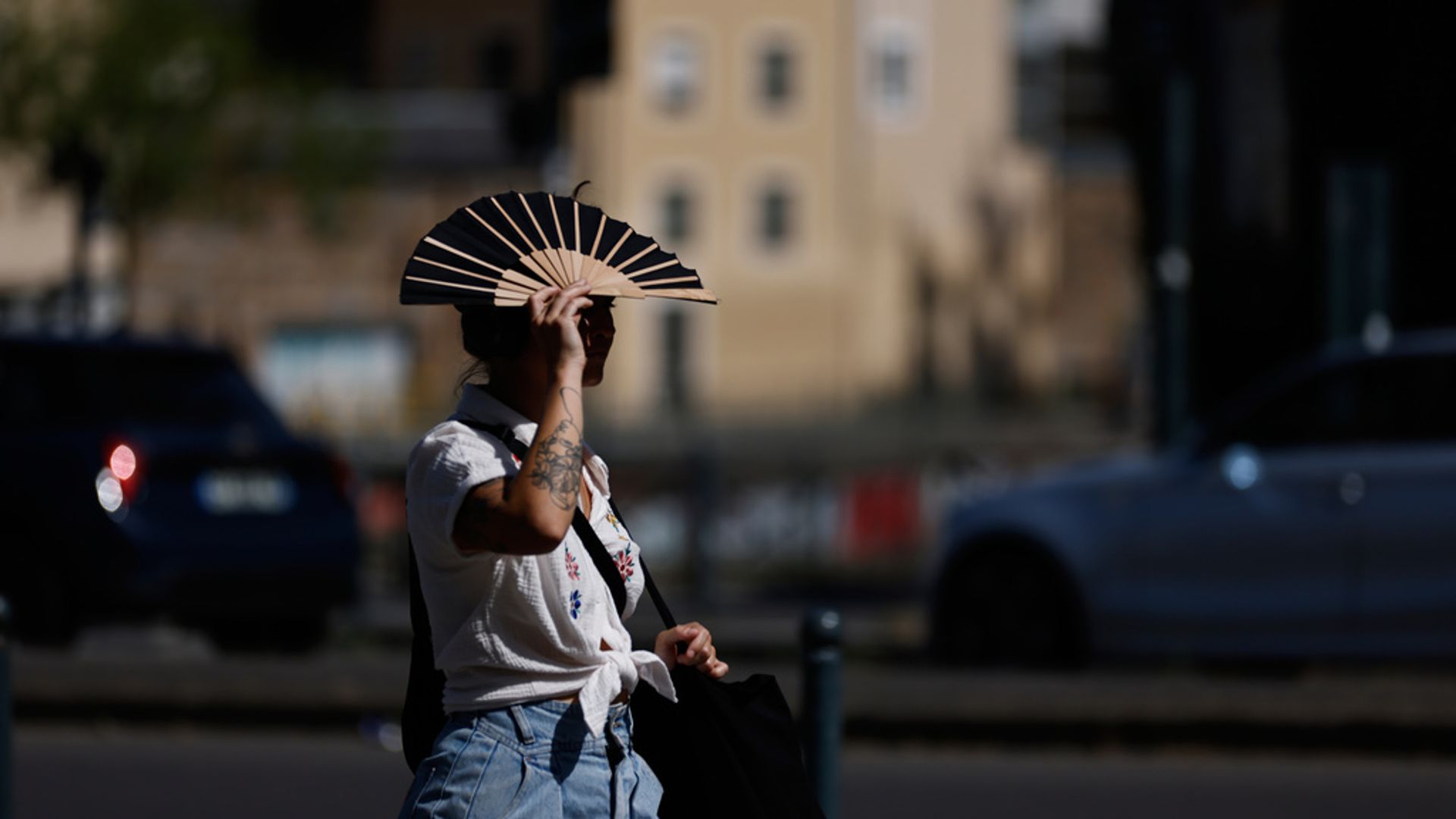
France has recorded 40 drowning deaths in one week as the country endures its hottest night in 79 years, with temperatures soaring to dangerous levels and heat-related risks escalating across Europe. The death toll—confirmed by French interior ministry officials—comes as meteorologists warn that extreme heat will persist, prompting expanded Amber weather warnings in multiple regions. Authorities have attributed the spike in drownings to reckless behavior in rivers and lakes, where water temperatures have risen to lethal levels.
According to the French Ministry of the Interior, the majority of fatalities occurred between July 15 and July 21, with rescue services reporting a 300% increase in emergency calls related to heatstroke and water accidents compared to the same period last year. The National Meteorological Service (Météo-France) recorded temperatures exceeding 40°C (104°F) in several southern departments, including Gard and Hérault, where officials have deployed additional patrols to prevent further tragedies.
The current heatwave follows a pattern of increasingly severe climate events in Europe, with scientists linking the extreme temperatures to long-term global warming trends. A study published last month in Nature Communications projected that such heatwaves will become “five times more likely” by 2050 if current emissions trajectories continue. Meanwhile, French President Emmanuel Macron has called for accelerated climate adaptation measures, including the expansion of urban cooling centers and stricter building insulation standards.
🚨 40 noyades en une semaine en France – Un bilan dramatique lié à la canicule. Les services de secours restent en alerte maximale. 💦🔥
Nos équipes sur le terrain renforcent les patrouilles et alertent les baigneurs : l’eau est dangereusement chaude. #Canicule #Sécurité
Why Is France Seeing Such a Sharp Rise in Heat-Related Drownings?
Experts point to a combination of factors driving the surge in fatalities. First, the rapid warming of river and lake water—now reaching up to 28°C (82°F) in some areas—has created a false sense of safety among swimmers. “People underestimate the danger when water feels warm,” explained Dr. Claire Valla, a climatologist at the French National Center for Scientific Research (CNRS). “The body loses heat 25 times faster in water than in air, and hypothermia can set in within minutes, even in seemingly safe conditions.”
Second, the prolonged heatwave has led to dehydration and fatigue, impairing judgment. Rescue teams have reported cases where individuals collapsed while attempting to swim, with bystanders unable to assist due to the extreme conditions. The French Lifesaving Society (SNSM) has issued a warning that even strong swimmers are at risk, urging people to avoid swimming alone and to stay within designated safe zones.
Third, social media trends have exacerbated the risks. Videos of people jumping into rivers from bridges or cliffs have gone viral, despite repeated safety advisories. “This is a dangerous combination of heat-induced recklessness and the influence of social media,” said Captain Laurent Dubois of the French Gendarmerie. “We’ve seen a 40% increase in calls related to these types of incidents since the heatwave began.”
How Are Authorities Responding to the Crisis?
French authorities have deployed a multi-pronged response to mitigate the risks. The Ministry of the Interior has increased patrols along rivers and lakes, with additional drones and helicopters monitoring high-risk areas. In Gard and Hérault, local governments have installed floating barriers to restrict access to dangerous swimming spots.
Public health measures include the opening of 1,200 cooling centers across the country, with priority given to vulnerable populations such as the elderly and homeless. The French Health Ministry has also launched a nationwide campaign urging residents to drink at least 1.5 liters of water per day and to avoid outdoor activities between 12 PM and 7 PM. “Heatwaves are silent killers,” said Health Minister Aurélien Rousseau. “We’re seeing a 20% increase in hospitalizations for heatstroke, and we want to prevent further tragedies.”
At the European level, the EU’s 2030 Climate Targets are under renewed scrutiny. While France has committed to reducing emissions by 55% by 2030, critics argue that adaptation measures—such as better urban planning and early warning systems—have lagged behind mitigation efforts. The current heatwave has reignited debates over whether Europe’s climate policies are sufficiently ambitious.
What Happens Next? The Forecast and Long-Term Risks
Météo-France predicts that temperatures will remain above 35°C (95°F) in southern France through at least July 25, with isolated pockets exceeding 42°C (108°F). The Copernicus Climate Change Service has classified this heatwave as one of the most intense in Europe since records began, with some regions experiencing conditions typically seen in the Middle East.
Looking ahead, scientists warn that such extreme events will become more frequent. A 2023 report by the Intergovernmental Panel on Climate Change (IPCC) projected that by 2050, southern Europe could see heatwaves lasting up to 60 days per year. “France is on the frontline of climate change,” said Dr. Valla. “Without drastic action, we’ll see these tragedies become annual occurrences.”
In the immediate term, rescue services are bracing for further incidents. The French Fire Brigade has activated emergency protocols, with additional crews deployed to high-risk zones. Meanwhile, the government is considering legislative measures to enforce stricter penalties for reckless behavior in water bodies during heatwaves.
Key Takeaways: What You Need to Know
- Death toll: 40 drownings in seven days, per French interior ministry—300% increase in heat-related emergencies compared to 2023.
- Temperature records: Hottest night in 79 years, with some regions exceeding 40°C (104°F).
- Root causes: Warm water temperatures, dehydration, and social media-driven risks.
- Government response: Expanded patrols, cooling centers, and public health advisories.
- Long-term outlook: Scientists warn of more frequent, severe heatwaves unless emissions are curbed.
- Safety advice: Avoid swimming alone, stay hydrated, and check local weather warnings.
The next official update from the French Ministry of the Interior is expected on July 26, following a review of rescue operations and public health measures. In the meantime, residents are urged to follow Météo-France’s heatwave advisories and report any suspicious activity to local authorities.
This story is developing. For real-time updates, follow World Today Journal’s coverage or share your experiences in the comments below. Have you or someone you know been affected by the heatwave? Let us know how you’re staying safe.
Keep reading