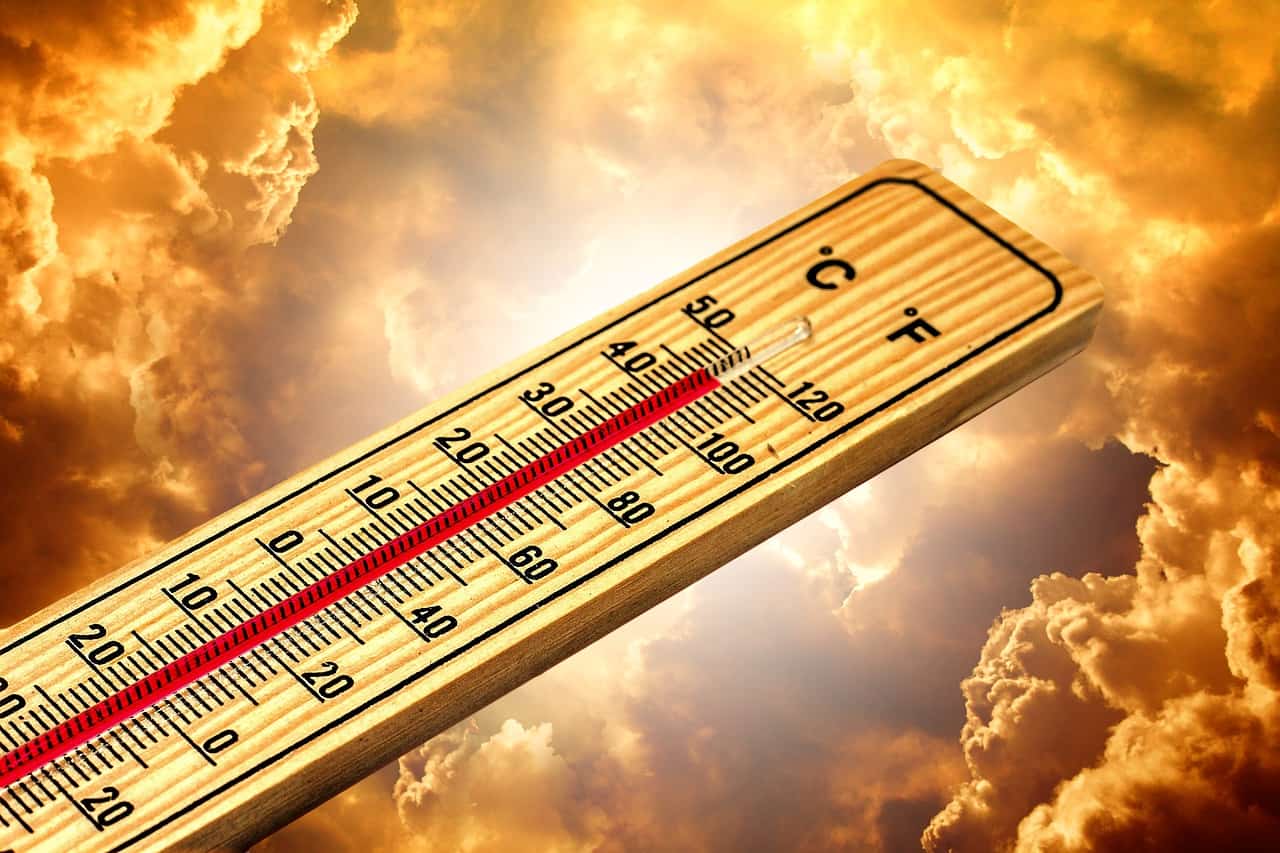
French authorities have placed more than a third of the country under a red heatwave alert—the highest level of meteorological warning—as a sustained, intense period of extreme temperatures continues to disrupt public life. The government has responded to the dangerous conditions by implementing strict restrictions, including a ban on the consumption of alcohol in public areas during the annual Fête de la Musique festivities, according to official statements from regional prefectures and the Météo-France meteorological service.
The current heat wave, which began earlier this week, has prompted local officials across several departments to cancel or relocate public events to prevent heat-related health emergencies. By mid-week, the Santé Publique France health agency reported an increase in monitoring for heat-related illnesses, urging residents to stay hydrated and avoid strenuous activity during peak daylight hours. The red alert level indicates a danger to the health of the entire population, necessitating immediate protective measures by both local authorities and the public.
Understanding the Red Heat Alert
A red alert from Météo-France signifies a “vigilance rouge,” the highest tier in a four-level warning system. This designation is triggered when temperatures reach extreme thresholds that pose significant risks to vulnerable populations, including the elderly, young children, and those with pre-existing medical conditions. According to national weather data, the current surge is caused by a mass of hot air moving northward, which has stalled over Western Europe, preventing cooler air from providing relief.
The intensity of this heatwave has led to widespread infrastructure concerns, including the potential for localized power grid strain and the buckling of transport lines. In affected departments, local governments have activated emergency protocols, which include opening “cool rooms” in municipal buildings and increasing outreach to residents living alone. The French government advises citizens to monitor the official vigilance portal for real-time updates regarding their specific department, as the status of these alerts can change rapidly based on localized humidity and wind patterns.
Public Safety Measures and Event Restrictions
The Fête de la Musique, a nationwide event held annually on June 21 to celebrate the summer solstice through live music, has been significantly curtailed due to the extreme heat. To mitigate the risks of dehydration and alcohol-related accidents, multiple prefectures across the affected red-alert zones have issued temporary decrees banning the consumption of alcohol in public spaces. These measures are designed to ensure that crowds remain manageable and that emergency services are not overwhelmed by heat-related medical calls.
In addition to alcohol restrictions, organizers of various concerts and outdoor gatherings have been forced to cancel or shift schedules to evening hours when temperatures drop. Local law enforcement agencies have been tasked with monitoring public gatherings to enforce the bans and provide assistance to those showing signs of heatstroke. Health experts emphasize that alcohol consumption can exacerbate the body’s inability to regulate temperature, significantly increasing the danger for individuals spending extended periods outdoors during a heatwave.
Climate Context and Future Outlook
The frequency and intensity of heatwaves in France have drawn increased scrutiny from climatologists, who point to broader trends in European climate patterns. According to reports from the Ministry of Ecological Transition, the country has experienced a statistically significant increase in the number of heatwave days per decade since the late 20th century. This shift is consistent with broader models of climate change that predict more frequent, longer-lasting, and more intense heat events across the Mediterranean and Western Europe.
The current meteorological situation is expected to remain fluid throughout the weekend. Météo-France typically provides updated forecasts every six hours during red-alert periods to help local authorities adjust their safety measures. Residents are encouraged to follow the guidance of local prefectures, which hold the legal authority to impose curfews or further restrict public gatherings if conditions worsen. For those seeking information on how to protect their homes and health, the government maintains a dedicated resource page for managing extreme summer heat.
The next official update regarding the status of the red heat alert is scheduled for Sunday morning. As the situation develops, we invite readers to share their local experiences or safety tips in the comments section below. Your local insight helps provide a clearer picture of how these extreme weather events impact communities across the region.
Related reading