
Hundreds of mourners gathered in the southwestern French town of Tonneins on Friday to attend the funeral of an 11-year-old girl, a tragedy that has prompted national soul-searching regarding the efficacy of the French judicial system. The service for the child, identified in local reports as Justine, followed her abduction and subsequent killing in late 2022, an event that ignited widespread public outrage and intense scrutiny of how the state monitors individuals with histories of violent crime.
The case, which drew national attention, centers on the actions of a 31-year-old suspect who was under judicial supervision at the time of the incident. According to reports from Le Monde, the suspect had a documented criminal history and had been released from prison shortly before the child went missing. The death of the young girl has since become a focal point for political debates over recidivism and the administrative failures within the French Ministry of Justice.
Judicial Oversight Under Scrutiny
Following the discovery of the girl’s remains, French authorities faced immediate questions regarding the monitoring of high-risk offenders. The suspect, a local man, had been placed under judicial control—a measure intended to track individuals awaiting trial or those recently released—yet this did not prevent the commission of the crime. As noted by the BBC, the incident exposed significant gaps in the ability of probation services and judicial authorities to effectively neutralize threats posed by individuals with known violent tendencies.

The political fallout was swift. Members of the French opposition criticized the government’s handling of justice reforms, arguing that the system prioritized the rehabilitation of offenders over the safety of the public. The Ministry of Justice, led at the time by Éric Dupond-Moretti, faced calls for accountability as investigations sought to determine whether systemic administrative errors allowed the suspect to evade proper supervision, according to coverage by Reuters.
Public Reaction and the Search for Answers
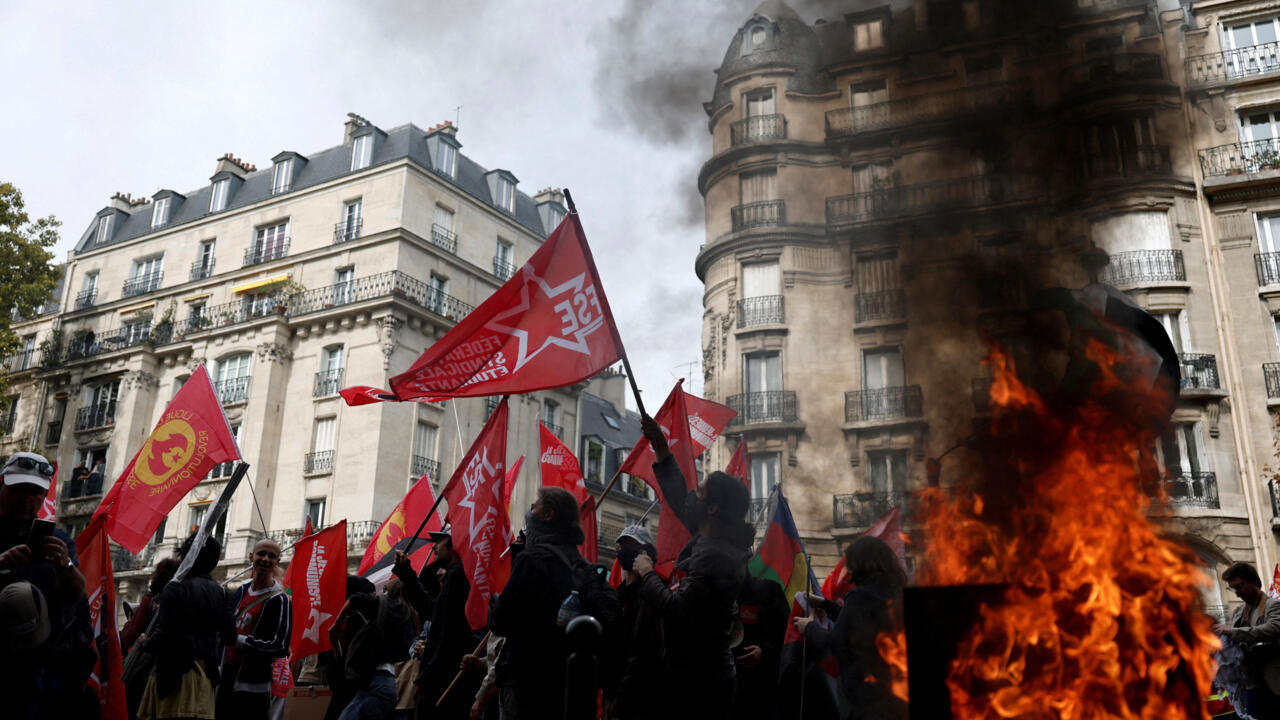
The abduction and death of the 11-year-old triggered protests across various French cities, with citizens demanding systemic changes to the legal framework governing parole and judicial oversight. The public discourse often highlighted the frustration of communities that feel vulnerable to repeat offenders who remain in their neighborhoods despite prior criminal convictions. These protests underscored a broader lack of confidence in the capacity of state institutions to protect minors from violent recidivists.
In Tonneins, the atmosphere during the funeral was one of profound collective grief. The small community, which had been the site of the initial search operation, sought to support the family while grappling with the circumstances of the child’s death. Local officials emphasized that the focus remained on the mourning process, though the underlying questions regarding judicial policy continue to resonate in national discourse.
What Happens Next in the Legal Process
The legal proceedings against the suspect remain the primary venue for addressing the specifics of the case. Following his initial indictment on charges of abduction and murder, the suspect was held in custody pending further investigation. Under French law, the “instruction” phase—a period where a judge gathers evidence, hears witnesses, and prepares the case for trial—can take months or even years to conclude.

Future developments will likely include a formal trial at an Assize Court, which handles the most serious criminal offenses in France. The proceedings will be monitored by both legal experts and victims’ rights advocates, as the case serves as a benchmark for how the French judiciary addresses failures in monitoring high-risk individuals. For further information on the status of the investigation, the public is encouraged to monitor updates from the local prosecutor’s office or the Ministry of Justice’s official portal regarding major criminal proceedings.
We invite our readers to share their perspectives on the balance between judicial reform and public safety in the comments section below. Your insights help us foster a deeper understanding of these complex global issues.
Keep reading