France to Expand Nuclear Arsenal Amidst Rising Global Threats
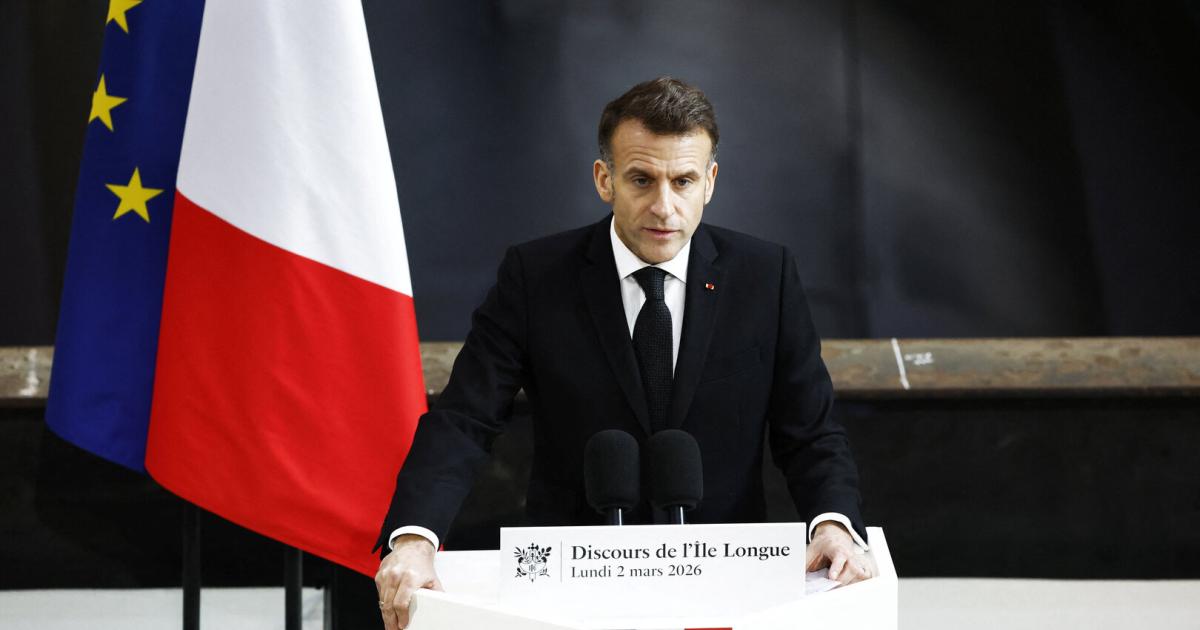
In a significant shift in its nuclear policy, France intends to increase the number of its nuclear warheads and will no longer publicly disclose the size of its arsenal. The decision, announced by President Emmanuel Macron, reflects growing concerns over escalating global security challenges and a perceived increase in nuclear threats. This move marks a departure from France’s previous transparency regarding its nuclear capabilities and signals a hardening stance on national defense. The announcement comes as geopolitical tensions rise in Eastern Europe, the Middle East, and with increasing concerns over China’s military modernization.
France is currently the sole nuclear power within the European Union, following the United Kingdom’s departure in 2020. According to data from the Stockholm International Peace Research Institute (SIPRI), as of early 2024, France possesses approximately 290 nuclear weapons, making it the fourth-largest nuclear power globally, behind Russia, the United States, and China. SIPRI’s data provides a comprehensive overview of global nuclear arsenals and trends.
A Changing Security Landscape
President Macron justified the decision to expand France’s nuclear arsenal by citing a deteriorating international security environment. He emphasized the need to maintain a credible deterrent in the face of evolving threats, stating, “Those who want freedom must be feared. Those who want to be feared must be strong.” Macron specifically pointed to the growing nuclear capabilities of China, the volatile situation in the Middle East, and the ongoing threat posed by Russia as key factors influencing the policy change. The war in Ukraine, now entering its fifth year, has heightened anxieties across Europe about potential escalation and the reliability of existing security guarantees.
France’s nuclear deterrent is comprised of four nuclear-powered ballistic missile submarines (SSBNs), each capable of launching intercontinental ballistic missiles with a range of approximately 10,000 kilometers. The French Air and Space Force operates Rafale fighter jets equipped to carry air-to-surface nuclear missiles, with a reported range of around 500 kilometers. Recent statements by Macron underscore his commitment to maintaining a robust and modern nuclear force.
No Transparency on Numbers
A key element of the new policy is the decision to cease public disclosure of the number of nuclear warheads held by France. Previously, France had provided annual updates on its nuclear stockpile as part of its commitment to transparency. Macron argued that revealing this information could be exploited by potential adversaries and undermine the effectiveness of the deterrent. This shift in policy has drawn criticism from some arms control advocates who argue that transparency is essential for building trust and preventing miscalculation.
The move to expand the nuclear arsenal also includes plans for the construction of a new nuclear-powered ballistic missile submarine, scheduled to be completed by 2036. This new submarine will replace one of the existing vessels in the French fleet and will be equipped with the latest technology to ensure its survivability and effectiveness. The development of this new submarine represents a significant investment in France’s nuclear capabilities and demonstrates its long-term commitment to maintaining a credible deterrent.
European Reactions and Implications
France’s decision to bolster its nuclear arsenal has sparked debate within Europe and beyond. While some European leaders have expressed support for strengthening the continent’s defense capabilities, others have voiced concerns about the potential for an arms race. Germany and Poland, in particular, have been increasingly receptive to the idea of France playing a larger role in safeguarding European security with its nuclear arsenal, especially given uncertainties surrounding the future of the United States’ commitment to NATO. As reported by Politico, President Macron is actively exploring ways to extend France’s nuclear umbrella over Europe.
The timing of Macron’s announcement is also significant, coming less than 14 months before the next French presidential election. With the far-right National Rally party, led by Marine Le Pen, currently leading in early polls, Macron is facing a race against time to solidify his legacy and secure his vision for France’s future. The expansion of the nuclear arsenal is seen by some as an attempt to appeal to voters concerned about national security and to make it more difficult for a potential successor to reverse course.
Macron’s Vision for a Stronger Europe
President Macron has consistently advocated for a more assertive and independent European foreign policy. He believes that Europe must be able to defend its interests and values without relying solely on the United States. The strengthening of France’s nuclear deterrent is seen as a key component of this vision, providing Europe with a credible and independent means of deterring aggression. Macron’s broader strategy involves fostering greater European cooperation on defense and security, including increased investment in military capabilities and the development of a common European defense policy.
However, achieving this vision will require overcoming significant challenges, including differing national interests and a lack of political will among some European member states. The European Parliament’s recent scrutiny of the EU-Mercosur trade deal, as highlighted by Le Monde, demonstrates the complexities of forging consensus on key policy issues. This situation underscores the need for strong leadership and a clear strategic vision to navigate the challenges facing Europe.
Key Takeaways
- France is increasing its nuclear arsenal in response to perceived growing global threats.
- The country will no longer publicly disclose the size of its nuclear stockpile.
- A new nuclear-powered ballistic missile submarine is planned for completion by 2036.
- The move has sparked debate within Europe about the future of the continent’s defense.
- President Macron aims to strengthen Europe’s independence and security capabilities.
The coming months will be crucial as France implements its new nuclear policy and seeks to build support for its vision of a stronger and more independent Europe. The international community will be closely watching to spot how this shift in policy impacts the global security landscape and whether it triggers a new arms race. Further developments are expected as France continues to refine its nuclear strategy and engage with its allies and partners on this critical issue.
Next Steps: The French government is expected to release further details on the implementation of the new nuclear policy in the coming weeks. The construction of the new submarine is slated to begin in the next two years. Stay tuned to World Today Journal for ongoing coverage of this developing story.
What are your thoughts on France’s decision to expand its nuclear arsenal? Share your comments below and join the conversation.
Related reading