
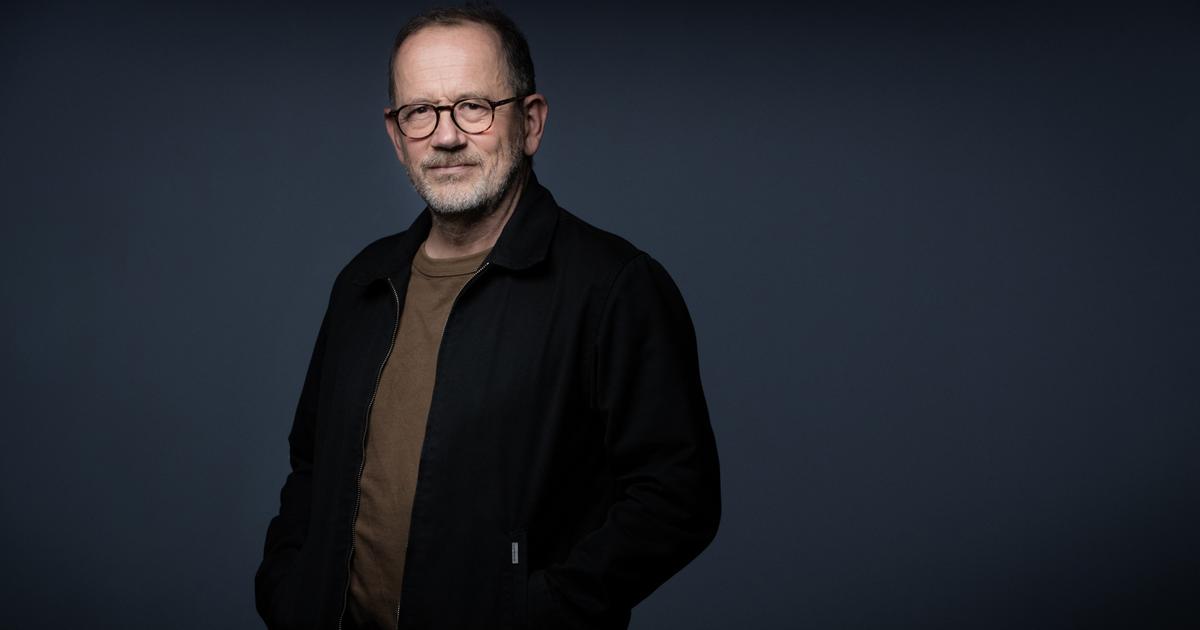
A controversy has erupted involving prominent French radio personality Thomas Legrand following teh release of a secretly filmed video. France Inter has temporarily suspended Legrand consequently.
The video, reportedly captured in July at a Parisian restaurant, depicts Legrand engaged in a candid political discussion with several figures. These included Patrick Cohen, a fellow France Inter commentator, and also key officials from the Socialist Party: Secretary General Pierre Jouvet and President of the national Council Luc Broussy. The conversation, intended as an off-the-record analysis of the current political landscape, was filmed without the participants’ knowledge.
Rachida Dati, a candidate for mayor of paris representing the Republican party, swiftly reacted to the video’s emergence. She publicly demanded accountability for Legrand and Cohen, alleging a intentional effort to undermine her campaign. Dati claims journalists from the public broadcaster and Libération newspaper admitted to actions intended to eliminate her from the mayoral race. She characterized these alleged statements as serious breaches of journalistic ethics, perhaps warranting sanctions.
Legrand vehemently denied any malicious intent in a statement to the Agence France-presse. He asserted his role is to challenge what he perceives as inaccuracies in Dati’s statements and critique her approach to the press. Importantly, he clarified that his efforts are not driven by personal political opposition. He declined to comment further on his suspension from France Inter.
The video surfaced from L’Incorrect, a publication founded in 2017. It identifies as conservative and advocates for a unification of right-wing political forces.
Here’s what you need to understand about the implications of this situation:
Journalistic Ethics: The core of the issue revolves around the boundaries of off-the-record conversations and the potential for bias in political reporting.
Public Trust: This incident raises questions about the impartiality of public service broadcasting and the trust viewers place in journalists.
Political Campaigning: the allegations made by Dati highlight the intense scrutiny and potential for conflict during election cycles. Covert Recording: The surreptitious nature of the recording itself is a point of contention, raising concerns about privacy and journalistic practices.
I’ve found that openness and adherence to ethical guidelines are paramount in maintaining credibility within the media. This situation serves as a stark reminder of the importance of these principles. Ultimately, the outcome will likely depend on a thorough inquiry and a careful consideration of all perspectives involved.





