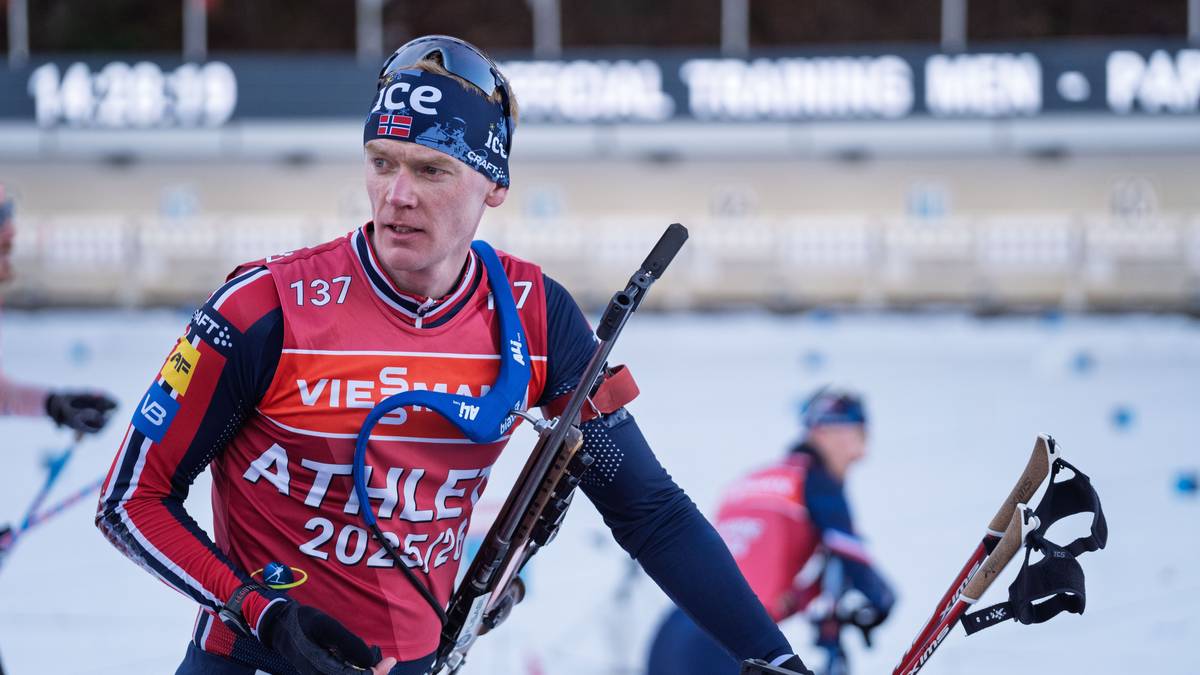
The Tragic Death of Sivert Guttorm Bakken: Investigating high-Altitude Mask Use in Elite Sports
The sports world mourns the loss of Norwegian biathlete Sivert Guttorm bakken, found deceased on Christmas Eve in Lavazè, Italy, during a training camp. This heartbreaking event has prompted questions, not onyl about the circumstances surrounding his death, but also about the increasingly common practice of using high-altitude simulation masks in athletic training. This article delves into the details of this tragedy, explores the science behind these masks, potential risks, and the ongoing investigation, providing a comprehensive overview for athletes, coaches, and anyone interested in the intersection of performance enhancement and athlete safety.
Understanding the circumstances
Sivert Bakken, a promising biathlete, was discovered dead in his hotel room. According too the Norwegian Ski Federation, he was wearing a high-altitude mask at the time of his death. Norwegian Broadcasting Corporation (NRK) reported the initial news. The federation has stated they are unaware of the details surrounding how Bakken acquired and utilized the mask.
Currently, the investigation is ongoing, with an autopsy scheduled in Italy during the christmas period. Italian authorities, specifically the Carabinieri police, have declined to comment on the specifics of the case at this time. The focus remains on determining the cause of death and whether the use of the high-altitude mask played any role.
Did You Know? High-altitude training, or simulated high-altitude training, has been used by athletes for decades to improve endurance performance. The core principle is to stress the body’s oxygen transport system, prompting physiological adaptations.
High-Altitude Masks: How Do They Work?
high-altitude masks, also known as altitude training masks, are designed to restrict airflow, mimicking the conditions experienced at higher elevations. The idea is to create a hypoxic (low-oxygen) surroundings during training. this forces your body to work harder to deliver oxygen to your muscles.
Here’s a breakdown of the purported benefits:
* increased Red Blood Cell Production: Hypoxia stimulates the production of erythropoietin (EPO), a hormone that signals the bone marrow to create more red blood cells. More red blood cells mean greater oxygen-carrying capacity.
* Enhanced Oxygen Utilization: Your body becomes more efficient at extracting and utilizing oxygen from the air you breathe.
* Improved Lactate Threshold: Training with restricted airflow can possibly increase your lactate threshold,allowing you to sustain higher intensity exercise for longer.
* Strengthened Respiratory Muscles: The increased effort required to breathe through a restricted mask can strengthen your diaphragm and other respiratory muscles.
However, it’s crucial to understand that the science behind these claims is complex and often debated.
Pro Tip: If you’re considering using a high-altitude mask, start slowly and gradually increase the restriction level. Listen to your body and prioritize safety over pushing yourself too hard, too soon.
Potential Risks and Controversies
While high-altitude masks are marketed as a safe way to enhance performance, they are not without potential risks. These risks are amplified if used improperly or by individuals with underlying health conditions.
* Hypoxia-Induced Dizziness and Fainting: Restricting airflow can lead to dizziness,lightheadedness,and even fainting,especially during intense exercise.
* Exacerbation of Existing Conditions: Individuals with heart or lung conditions should avoid using these masks, as they can worsen their symptoms.
* Overexertion and Injury: The perceived exertion can be misleading, potentially leading to overexertion and increased risk of injury.
* Lack of regulation and quality Control: The market for these masks isn’t heavily regulated, meaning the quality and effectiveness can vary significantly.
**Are High-Altitude Masks Effective
Worth a look