
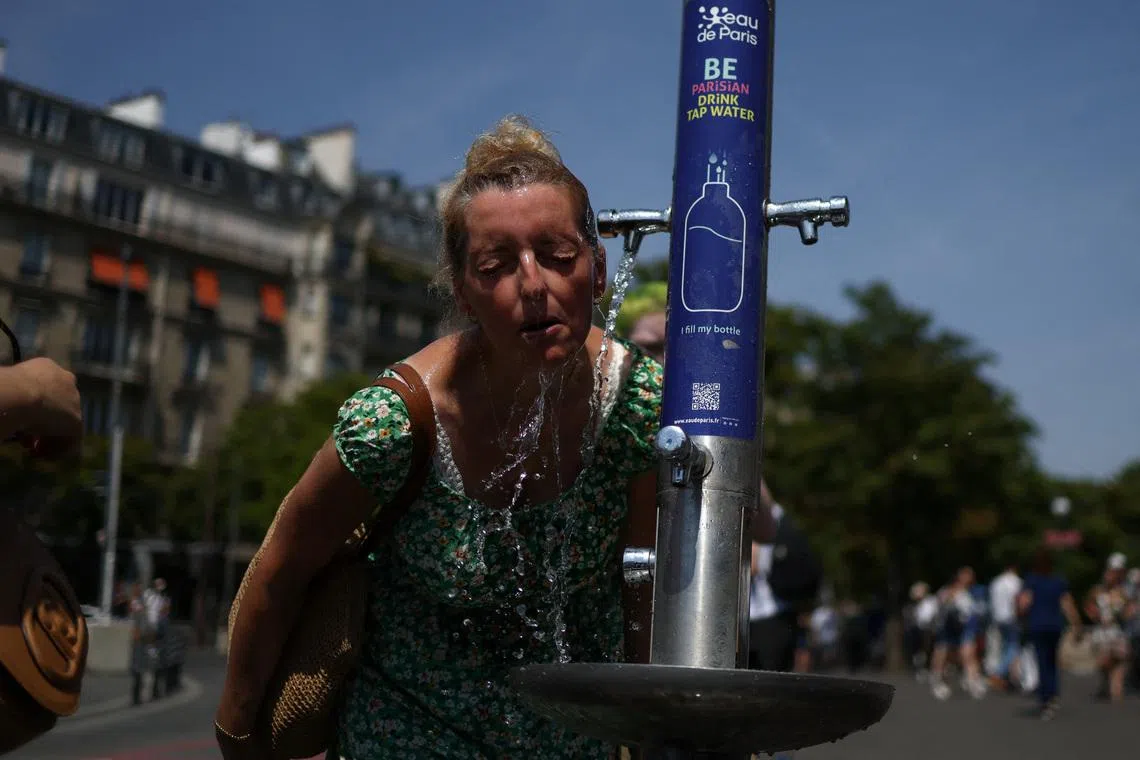
The French government has confirmed that the national health emergency response plan, known as ORSAN, will remain at its highest level of activation following concerns regarding potential extreme heat events. French authorities are maintaining enhanced surveillance and resource allocation protocols to ensure the healthcare system remains prepared for a surge in heat-related illnesses as summer temperatures fluctuate.
The decision to maintain the ORSAN plan at its peak level reflects a strategic shift in how France manages climate-related health risks. By keeping the alert status elevated, the Ministry of Health and Prevention allows regional health agencies to mobilize additional medical staff and emergency resources rapidly should localized or national temperature thresholds be breached. According to the French Ministry of Health, the ORSAN framework is designed to coordinate the mobilization of the entire healthcare system—including hospitals, clinics, and emergency services—during exceptional health crises.
Understanding the ORSAN Framework
The ORSAN (Organisation de la Réponse du Système de Santé) plan serves as the backbone of France’s response to health threats, ranging from pandemics to environmental hazards like heatwaves. When the plan is set to its highest level, it mandates that healthcare facilities implement specific contingency measures. These include the cancellation of elective procedures to free up bed space, the reinforcement of nursing staff, and the establishment of dedicated areas for patients suffering from dehydration or heatstroke.

The system is triggered based on data provided by Météo-France, the national meteorological service. When specific heat thresholds are met—which vary by region based on historical climate data—local prefectures and health authorities coordinate to issue warnings to the public. The current high-alert status ensures that the communication lines between weather monitoring stations and hospital emergency rooms remain open and active, reducing the response time for patient admissions.
Public Health Precautions During Heatwaves
French health officials continue to emphasize the importance of preventative measures, particularly for vulnerable populations such as the elderly, young children, and those with underlying health conditions. The Santé Publique France, the national public health agency, provides ongoing guidance to mitigate the risks of extreme heat. Recommendations include staying hydrated, remaining in cool or air-conditioned environments during peak sun hours, and maintaining frequent contact with isolated individuals to check on their physical well-being.
The government’s decision to keep the emergency plan at a high level serves as a reminder of the increasing frequency of heatwaves in Europe. Data from the Copernicus Climate Change Service indicates that European summer temperatures have trended upward over the last decade, leading to more frequent and prolonged heat events that strain public infrastructure and medical services. Maintaining ORSAN at its highest level allows for a more flexible and robust response to these unpredictable climate patterns, ensuring that the burden on emergency departments is managed effectively.
What Happens During a Sustained Heat Emergency
Should a heatwave reach critical levels, the French government has the authority to implement additional measures beyond the standard ORSAN protocols. These may include the opening of “cool rooms” in municipal buildings, the extension of operating hours for public pools, and the deployment of emergency water supplies in urban areas. The coordination between local mayors and the national health ministry is essential for the effective implementation of these measures.

Residents in France are encouraged to monitor local news outlets and the official Météo-France vigilance map for real-time updates on heat warnings. By keeping the ORSAN plan at the highest level, the government aims to provide a safety net that is both proactive and scalable, ensuring that human health remains the priority as seasonal temperatures continue to pose challenges to the country’s infrastructure.
The current emergency status remains in effect until further notice from the Ministry of Health. Authorities are expected to provide updated guidance as meteorological forecasts evolve. For those seeking assistance or information, local health departments and municipal offices serve as the primary points of contact for official safety protocols.