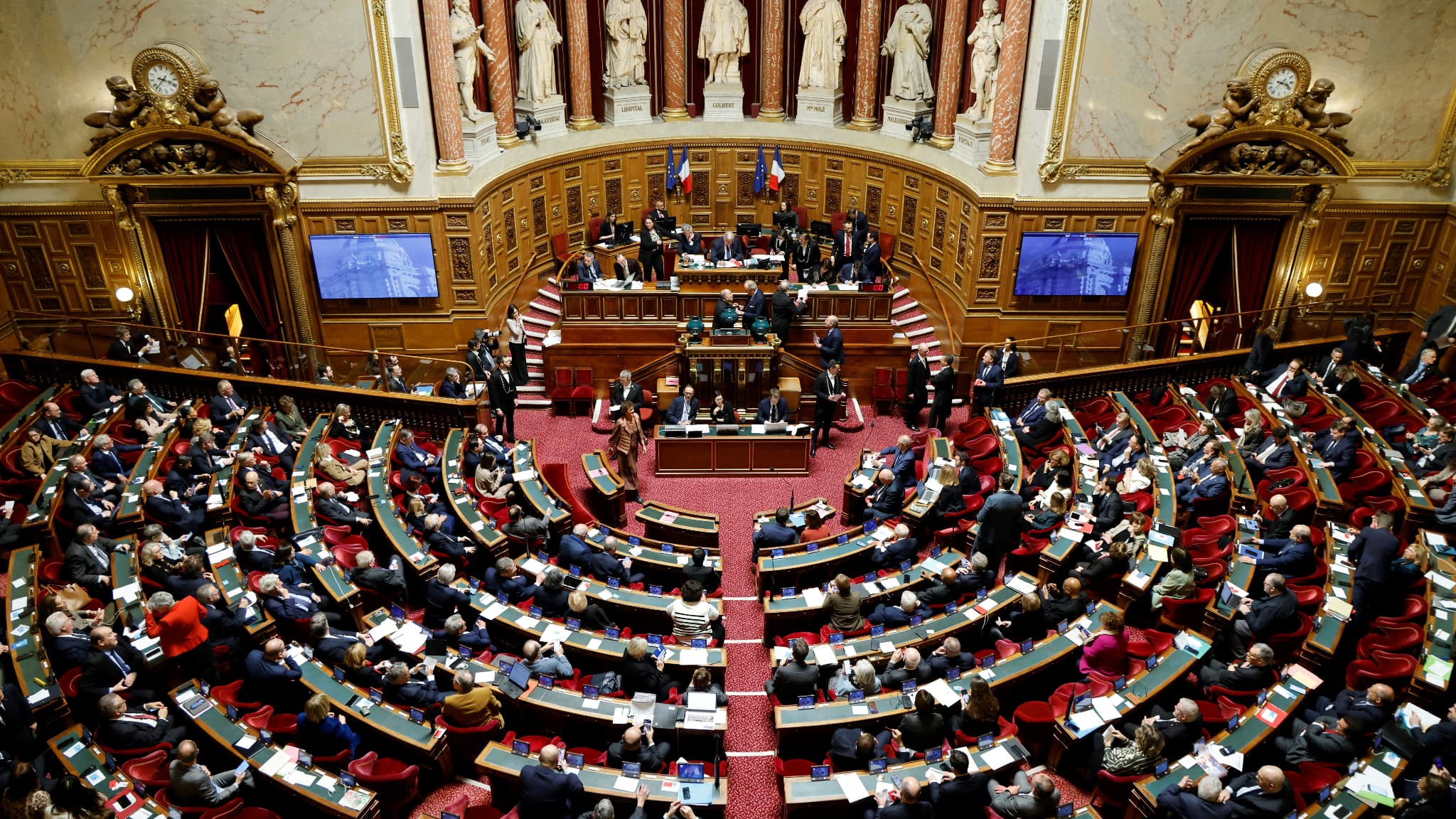
The French Senate is currently reviewing a legislative proposal that would allow employees to make an exceptional withdrawal of employee savings, granting workers the ability to access up to €5,000 from their savings plans without the standard restrictive conditions.
The bill, which was brought before the Senate on Tuesday, April 7, 2026, seeks to provide immediate financial liquidity to workers. Under current French regulations, employee savings—which typically include profit-sharing and incentive schemes—are generally locked for a set period unless specific legal criteria, such as home acquisition or redundancy, are met.
While the measure is designed to offer relief to households, it has not received universal support. Both employer organizations and labor unions have expressed opposition to the proposal, signaling a rare point of agreement between the two often-conflicting groups via TF1 Info.
Understanding the Proposed Savings Unlock
The core of the legislative effort is the authorization of a one-time withdrawal capped at €5,000. This “déblocage exceptionnel” would bypass the usual waiting periods and specific qualifying events required to access these funds.
Employee savings plans in France are a cornerstone of corporate compensation, designed to encourage long-term wealth accumulation and reward company performance. By allowing a significant sum to be withdrawn prematurely, the bill aims to address immediate economic pressures facing the workforce.
Stakeholder Opposition and Economic Concerns
The proposal has met with resistance from both “patrons” (employers) and “syndicats” (unions). While the specific detailed arguments from each side are still being debated within the legislative process, the opposition suggests concerns over the long-term stability of these savings vehicles and the potential impact on the intended purpose of employee savings as a retirement or long-term security tool.

For a global audience, this debate highlights the tension between providing short-term financial flexibility to workers and maintaining the structural integrity of long-term incentive schemes used by corporations to retain talent and ensure financial security.
Key Details of the Proposal
- Maximum Withdrawal: Up to €5,000.
- Legislative Body: The French Senate.
- Status: Under examination as of April 7, 2026.
- Opposition: Joint resistance from employer groups and labor unions.
The next confirmed checkpoint for this measure will be the conclusion of the Senate’s examination and any subsequent votes or amendments to the bill’s language.
We invite our readers to share their perspectives on the balance between immediate liquidity and long-term savings in the comments section below.
Related reading