French Minister of Ecological Transition Agnès Pannier-Runacher is convening a meeting with stakeholders on Tuesday to discuss the potential implementation of a national plastic deposit scheme. The initiative aims to address systemic challenges in French waste management, specifically targeting the need to increase collection and recycling rates for plastic beverage containers. This meeting marks a critical juncture in the French government’s efforts to meet European Union-mandated recycling targets under the broader framework of the AGEC (Anti-Waste for a Circular Economy) law.
The Shift Toward Mandatory Plastic Deposit Systems
The push for a national plastic deposit scheme in France seeks to address stagnant recycling rates for single-use plastic bottles. According to the French Ministry of Ecological Transition, the government is exploring how to align national policies with the European Directive 2019/904, which requires member states to achieve a 77% collection target for plastic bottles by 2025 and 90% by 2029. Current collection figures in France have historically struggled to reach these thresholds, prompting the government to consider a deposit-return system (DRS) as a mechanism to incentivize consumer behavior.
The proposed system would require consumers to pay a small additional fee at the point of purchase, which is refunded upon the return of the empty container to a designated collection point. This model has seen varying degrees of success in other European markets, such as Germany and the Nordic countries, where deposit schemes are well-established. However, the French context involves a complex interplay between existing municipal waste management systems and the private sector, requiring a consensus that balances environmental goals with economic feasibility.
Challenges in Implementing Circular Economy Goals
Stakeholder concerns regarding the deposit scheme center on the financial impact on local authorities and the potential disruption of existing sorting infrastructures. Many municipalities have invested heavily in high-performance optical sorting centers to manage household waste. Local government associations have expressed concerns that removing high-value materials like PET plastic from the household waste stream could undermine the financial viability of these local facilities. According to recent reporting by Sud Ouest, the debate includes discussions about whether municipalities that currently demonstrate high performance in waste sorting should receive compensatory financial support if a national deposit scheme is adopted.
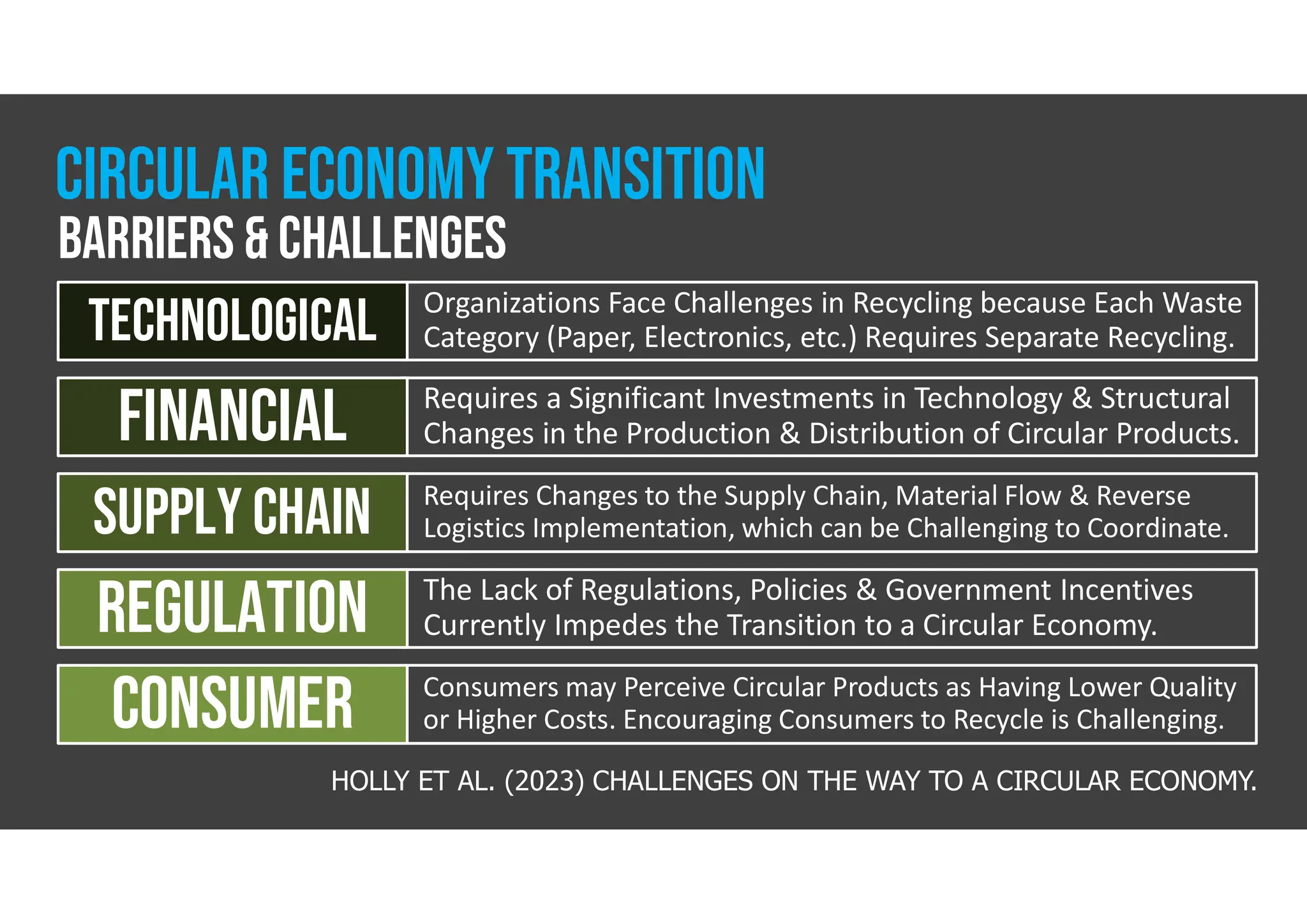
Furthermore, the experience with the resurgence of glass bottle deposits in France provides a cautionary case study. While consumers have shown interest in reusable packaging, the transition has been hampered by higher retail prices, a limited range of products compatible with standardized glass formats, and a lack of consistent information for the public. Analysts note that these logistical hurdles in the glass sector highlight the necessity of a unified, national strategy for plastic if a deposit scheme is to avoid similar adoption barriers.
Economic and Environmental Objectives
The primary driver for the government’s current consultation is the necessity to “massify” the collection of secondary raw materials. By formalizing a deposit system, the government aims to ensure a steady, high-quality stream of recycled plastic, which is essential for manufacturers seeking to meet mandatory recycled content requirements in new packaging. The AGEC Law, which serves as the legislative cornerstone for these reforms, explicitly mandates a reduction in single-use plastic and a transition toward a circular economy.
Tuesday’s meeting is expected to include representatives from the retail sector, beverage manufacturers, environmental NGOs, and representatives of local authorities. The diversity of participants underscores the difficulty of the task: retailers worry about the physical space required for reverse vending machines, while manufacturers are concerned about the costs associated with labeling and logistics. The government’s challenge lies in creating a system that is interoperable across all retail formats, from small urban convenience stores to large hypermarkets.
What Happens Next?
The outcome of Tuesday’s ministerial meeting will likely determine the timeline for a pilot phase or the potential drafting of secondary legislation to implement the scheme. There is no official date yet for a full national rollout, as the government continues to weigh the results of ongoing feasibility studies regarding the impact on household waste collection costs. Stakeholders are expected to provide feedback on the draft framework, which will then be evaluated by the Ministry of Ecological Transition before any final regulatory decisions are made.

As the legislative process continues, further updates are expected through official government briefings on the official government portal. The industry remains in a period of transition as it awaits clarity on the specific financial mechanisms the government intends to deploy to support the transition. We invite our readers to share their perspectives on the balance between national recycling targets and the logistical realities of local waste management in the comments section below.
Related reading