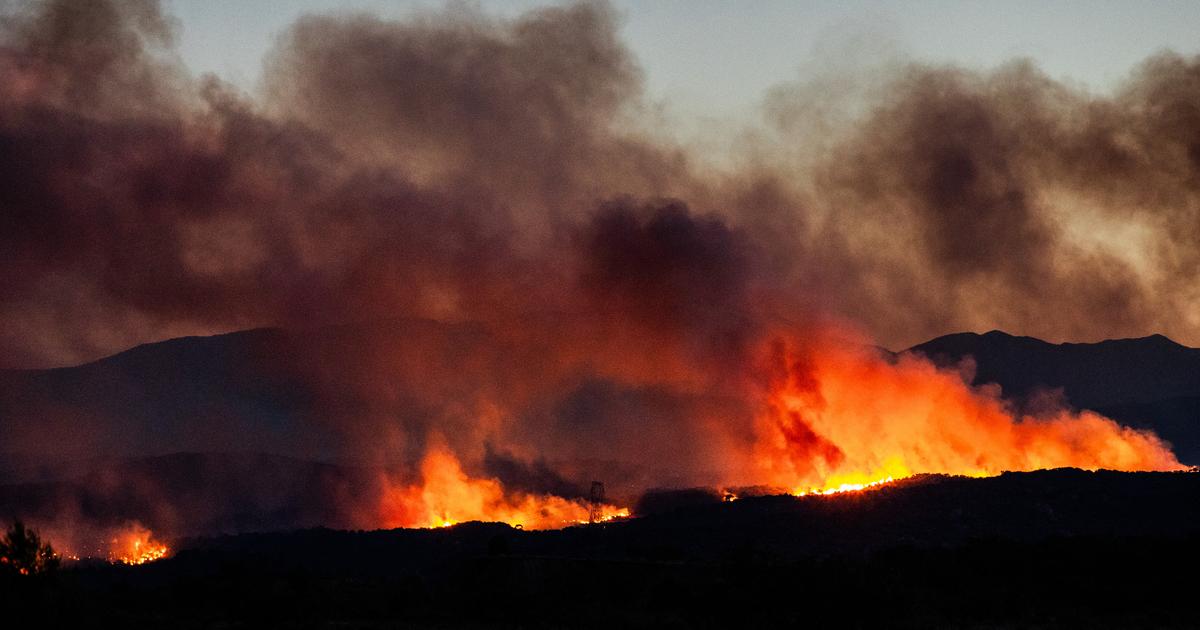
A massive wildfire destroyed approximately 4,600 hectares of land in the Pyrénées-Orientales department of southern France, forcing the reorganization of the third stage of the Tour de France, according to official reports from regional emergency services and race organizers.
The blaze, fueled by a severe heatwave and dry conditions, created what local officials described as a “gigantic fire” that swept through the rugged terrain. The scale of the destruction necessitated immediate safety interventions to protect both residential areas and the athletes and spectators associated with the world’s most prestigious cycling race.
Firefighters are currently engaged in a broader struggle against multiple outbreaks across southern France. In addition to the Pyrénées-Orientales crisis, emergency crews are battling active fires in the Ariège and Aude departments, as well as a significant forest fire near a karting circuit in Lédenon, located in the Gard department.
How the Pyrénées-Orientales Fire Impacted the Tour de France
The Tour de France organizers were forced to modify the route of the third stage after the wildfire encroached upon the planned course. Safety protocols dictate that riders cannot pass through areas where smoke visibility is compromised or where fire crews are actively operating heavy machinery on narrow roads.

According to race officials, the decision to disrupt the stage was based on the rapid progression of the flames and the risk of road closures. The shift in the route ensured the safety of the peloton and prevented spectators from gathering in high-risk evacuation zones.
This disruption highlights the increasing vulnerability of major outdoor sporting events to extreme weather patterns. The combination of a “canicule” (heatwave) and low humidity in the Mediterranean basin has turned the region into a powder keg, making the timing of the fire particularly hazardous for the event’s logistics.
The Scale of Destruction and Emergency Response
The fire in the Pyrénées-Orientales is one of the most significant of the season, with 4,600 hectares of vegetation consumed. To combat the blaze, the French government deployed a combination of ground crews and aerial assets, including Canadair water-bombing aircraft, which are essential for reaching the steep slopes of the Pyrenees foothills.

In the Gard department, the fire near Lédenon presented a different set of challenges. Because the fire ignited near a karting circuit, emergency responders had to manage both the forest fire and the potential risk to commercial infrastructure and public facilities. According to reports from the Gard prefecture, crews worked to establish containment lines to prevent the fire from jumping toward nearby residential clusters.
The coordinated effort across Ariège and Aude reflects a systemic regional crisis. The French Ministry of the Interior frequently issues high-risk alerts during these periods, urging citizens to avoid forested areas and strictly prohibiting the use of machinery that could spark a fire.
Why the Southern Region is Facing Multiple Simultaneous Blazes
The simultaneous outbreaks in Pyrénées-Orientales, Gard, Aude, and Ariège are the result of a prolonged period of drought and extreme temperatures. When the soil moisture drops below a critical threshold, the “fuel load”—consisting of dead grass and pine needles—becomes highly flammable.
Meteorologists note that the “Mistral” and “Tramontane” winds, which are common in southern France, act as bellows for these fires. These winds push flames across valleys and ridges at high speeds, making it difficult for firefighters to maintain a perimeter. The 4,600 hectares lost in the Pyrénées-Orientales is a direct consequence of this wind-driven acceleration.
The impact extends beyond environmental loss. The destruction of these hectares affects local biodiversity and increases the risk of soil erosion during the next rainy season, as the natural vegetation that holds the earth in place has been incinerated.
What Happens Next for Affected Residents and Travelers
Authorities in the affected departments have maintained strict access restrictions. Residents in the Pyrénées-Orientales are advised to follow the directions of the Sapeurs-Pompiers (firefighters) and avoid any roads marked as closed for emergency vehicle access.

For those traveling through the Gard or Aude regions, official updates are being provided via the departmental prefectures. The priority remains the “containment and cooling” phase, where firefighters ensure that subterranean hotspots do not reignite as the wind shifts.
The Tour de France continues to monitor weather reports for the remaining stages. While the third stage was disrupted, the organization remains in constant contact with Météo-France to determine if further route diversions are necessary to avoid heat-stroke risks for riders or further fire hazards.
The next official update on the containment status of the Pyrénées-Orientales fire is expected from the regional prefecture following the completion of the current aerial surveillance cycle.
Do you have information on the regional impact of these fires? Share your thoughts or updates in the comments below.