
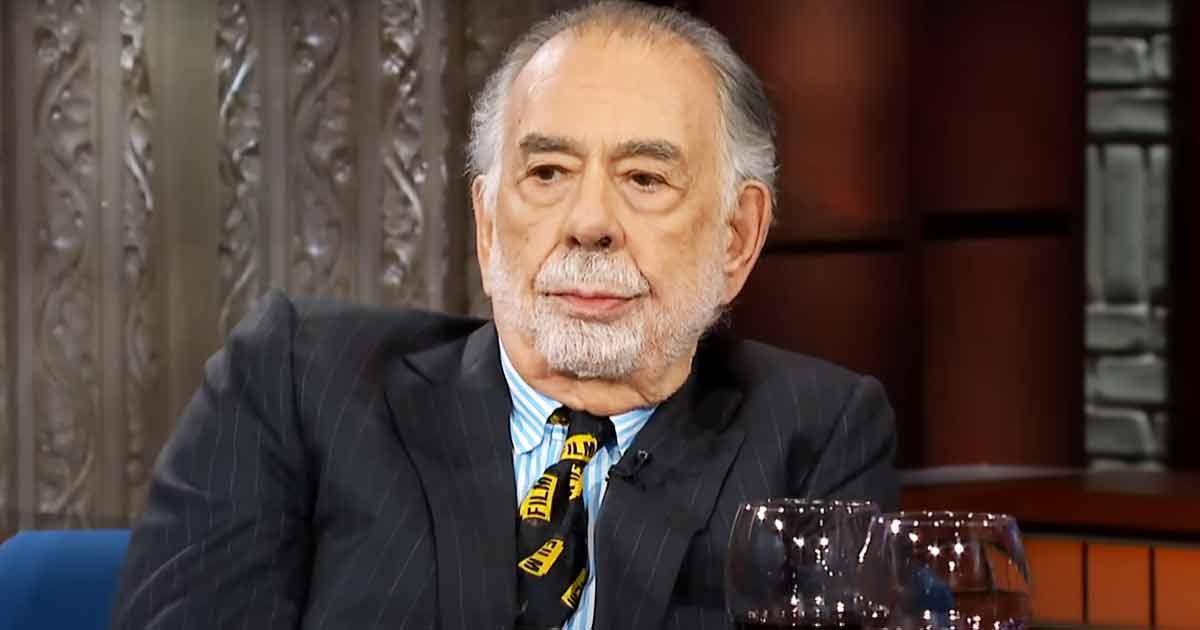
The Unexpected Legacy of “Part II”: How One Film Title Changed Hollywood Forever
Francis Ford Coppola, a cinematic visionary, inadvertently sparked a trend that continues to shape blockbuster filmmaking today. It all began with The Godfather Part II, a sequel that, despite initial studio hesitation, proved a critical and commercial triumph. Surprisingly, Coppola now expresses regret over the ripple effect his decision has had on the industry.
He recently admitted feeling “embarrassed” and offered an apology for initiating what has become a pervasive practice. But how did a simple sequel title evolve into a widespread phenomenon, and why is it now facing backlash?
The Origin Story: A Bold Move Inspired by Eisenstein
Initially, studios were wary of using “Part II” fearing audience confusion with the original Godfather. coppola, though, was inspired by Sergei Eisenstein’s use of numerical titles in his films, particularly Ivan the Terrible. He believed it was a legitimate way to signify a continuation of an epic narrative.
This decision,while artistically motivated,opened a door that Hollywood quickly rushed through.
From Sequels to Splits: the Evolution of “Part II”
What started as a way to denote sequels quickly morphed into something more. The success of The Godfather Part II paved the way for other films to adopt the “Part II” moniker.
Now, we’re seeing a surge of titles like Dune: part Two, Gladiator II, and Wicked: Part II. But the trend didn’t stop there. It also fueled a practice of dividing final installments into two separate films, as seen with Harry Potter and the Deathly Hallows and The Hunger Games: Mockingjay.
The Initial Intention: Clearly identify a continuation of a story.
The current Reality: Frequently enough used to maximize profits by splitting a single narrative.
Why the Backlash? The Rise of “Endless Setup”
You might be wondering why this trend is now facing criticism. While studios see it as a way to boost box office revenue, many fans feel it leads to ”endless setup.”
Essentially,the first “part” often focuses heavily on establishing plot points and characters,leaving the actual resolution for the second film. This can feel frustrating for audiences eager for a complete story. It can also feel like a calculated move to simply extract more money from viewers.
Here’s what’s contributing to the growing discontent:
Franchise Fatigue: Audiences are becoming weary of long-running series. Pacing Issues: Splitting a story can disrupt the natural flow and momentum.
Perceived Greed: The practice is often seen as a blatant attempt to maximize profits.
Is “Part II” Here to Stay?
Despite the growing criticism, the “Part II” phenomenon shows no signs of slowing down. It’s become ingrained in Hollywood’s playbook, and studios are likely to continue utilizing it as long as it proves profitable.
Though, it’s crucial for filmmakers to remember that audiences value compelling storytelling above all else. Simply adding “Part II” to a title doesn’t guarantee success. You deserve a satisfying and complete narrative, and studios should prioritize delivering that over simply maximizing revenue.
Ultimately, the legacy of The Godfather Part II* is a complex one. It demonstrated the power of sequels,but also inadvertently unleashed a trend that is now being scrutinized for its potential to prioritize profit over artistic integrity.


