French Lawmakers on hunger Strike After detention Following Gaza Flotilla Interception
The escalating tensions surrounding the Gaza Strip have taken a new turn with the detention of four French lawmakers by israeli authorities. These individuals were part of the Global Sumud Flotilla, a humanitarian mission aiming to break the Israeli blockade and deliver aid to Palestinians. Now, they’ve initiated a hunger strike, raising concerns about their well-being and prompting calls for their immediate repatriation.But what exactly happened, and what does this mean for FranceS role in the ongoing conflict?
The Interception and Detention
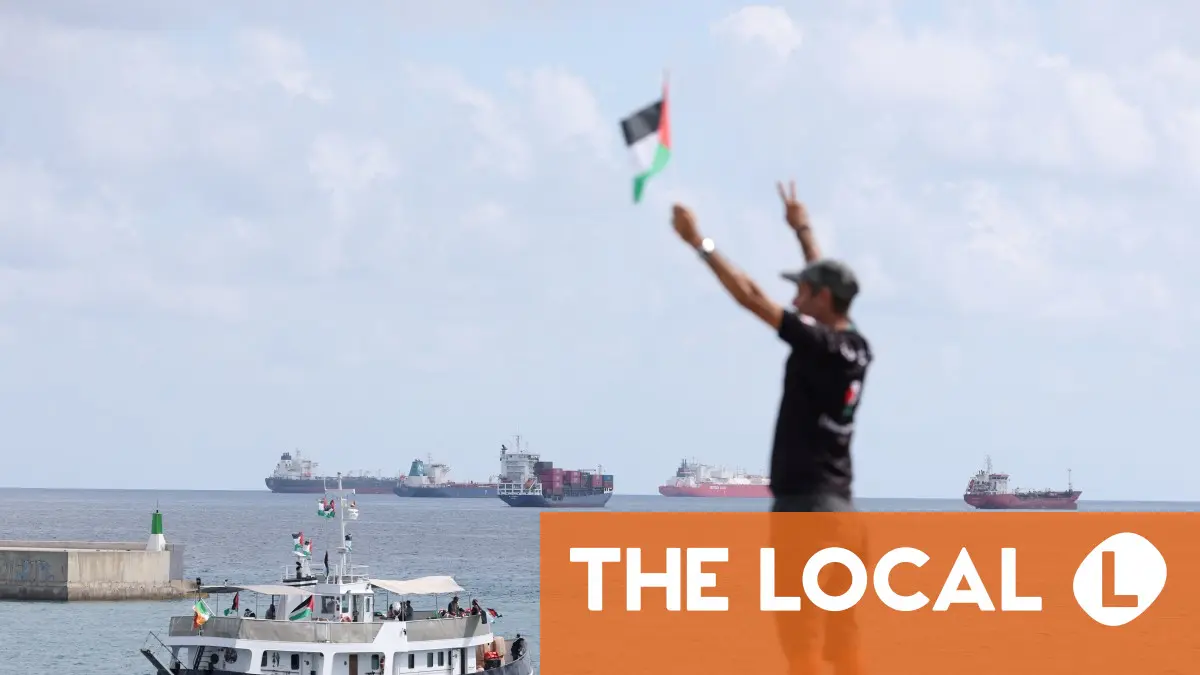
On October 5th, 2025, Israel intercepted the Global Sumud flotilla, comprised of 45 ships, as it approached the coast of Gaza. Thirty French citizens were detained, including two national deputies - François Piquemal and Marie Mesmeur - and two Members of the European Parliament (MEPs) – Rima Hassan and Emma Fourreau.
The stated purpose of the flotilla was to deliver much-needed humanitarian assistance to the Palestinian population in Gaza, who are facing dire conditions due to the ongoing blockade and recent conflict. However, Israel maintains the blockade is necessary for security reasons, preventing weapons from reaching Hamas.
Hunger Strike and Conditions of Detention
France Unbowed, the hard-left political party to which the detained lawmakers belong, announced on Saturday that the four had begun a hunger strike “in solidarity with the Palestinian people.” according to Manon Aubry, a France Unbowed MEP, interaction has been limited to “brief exchanges with their lawyers and with the French consul.”
Reports indicate challenging detention conditions. Aubry described overcrowded cells – “more than 10 people per cell” - and limited access to basic necessities like water. These conditions are fueling concerns about the health and safety of the French nationals.
Calls for Repatriation and Political Fallout
The situation has ignited a political firestorm in France. Aubry is urgently calling on French authorities to secure the release and repatriation of their citizens. Manuel Bompard, the national coordinator of France Unbowed, echoed this demand, criticizing the French government for what he perceives as inaction.
Jean-Luc Mélenchon, the leader of France Unbowed, sharply criticized the government, pointing out that other countries have already secured the return of their detained nationals. He accused the government of cowardice and urged them to prioritize the safety of French citizens.
Though, the response hasn’t been uniform. Nathalie Louiseau, a former macron minister and current MEP, defended the government’s actions, stating that France is providing consular protection. She also questioned the motives behind France Unbowed’s participation in the flotilla, suggesting it may be a publicity stunt rather than a genuine humanitarian effort.
France’s Position and International Law
This incident highlights the complex geopolitical landscape surrounding the Israeli-Palestinian conflict. France, traditionally a strong advocate for a two-state solution, finds itself navigating a delicate balance between supporting its citizens and maintaining diplomatic relations with Israel.
The legality of Israel’s interception of the flotilla is also a point of contention. International law regarding blockades is complex. While states have the right to enforce legitimate security concerns, blockades must be proportionate and allow for humanitarian access. Critics argue that the Israeli blockade of Gaza violates these principles. You can learn more about international law and naval blockades from the International Committee of the Red Cross: https://icrc.org/en/document/naval-blockade-under-international-humanitarian-law
What Happens Next?
The situation remains fluid. The French government is likely continuing diplomatic efforts to secure the release of its citizens.However, the strong political divisions within France and the ongoing tensions in the region complicate the matter.
Will France escalate its diplomatic pressure on Israel? Will the hunger strike compel a quicker resolution? these are the questions on the minds of many as the world watches this unfolding situation.
Evergreen: Understanding humanitarian Flotillas and International Response
Humanitarian flotillas, while frequently enough controversial, represent a long history of civilian efforts to deliver aid to populations affected by conflict or blockade. Historically, these missions have aimed to circumvent official channels when those channels are perceived as inadequate or blocked.
However, they frequently lead to confrontations with authorities enforcing blockades, raising complex legal